


April 9: Agra
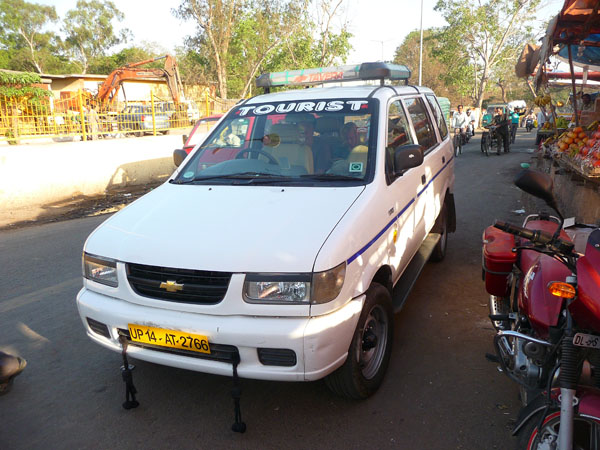
Above:Â the jeep we took on our driving trip to Agra, Jaipur, and back to DelhiÂ
Agra: home of the one of the seven wonders of the world – the Taj Mahal, India’s “crown jewel. The city was established during the Moghul rule of Barbur in 1526. They say that as different emperors came and went, they tried to outdo their predecessor. These rulers included Akbar the Great, Jehanghir, and Shah Jahan during the 16 and 17th centuries.  Later, Agra fell to Jats who looted its monuments including the Taj Mahal. There is industry here including marble work that has been handed down from father to son throughout history. There are also factories, but tourism is now a major source of income. The city is nothing to talk about, so most people come see the Taj and the Fort and leave.Â
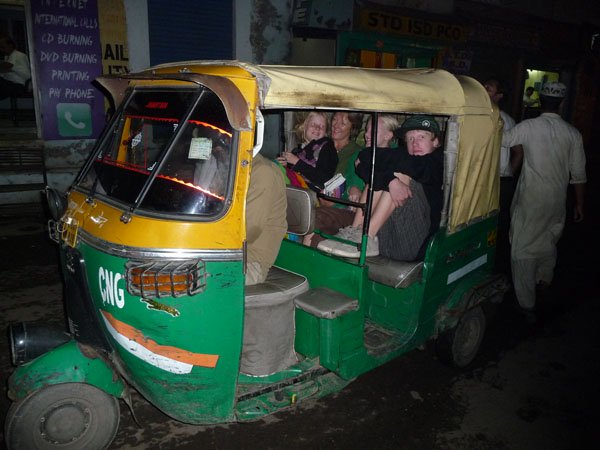
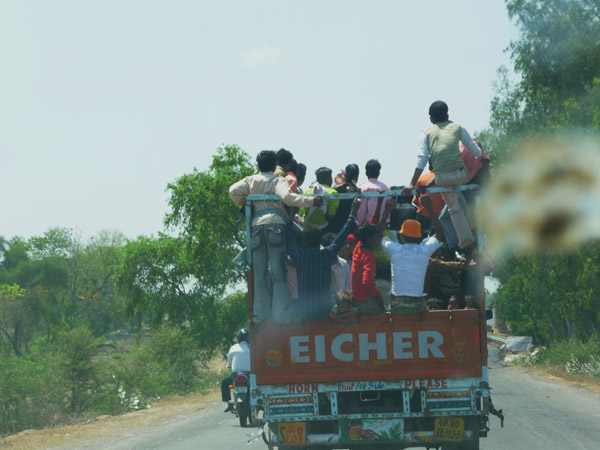
Our trip there was uneventful, yet our driver got lost in the city in trying to find our hotel. It made it a late night. After checking into the hotel, we all jumped into a tuk tuk to go to a certain backpacker hotel that had a roof top restaurant that overlooked the Taj. There was a full moon so we thought this would be great, the Taj under moonlight. Well, you could see the Taj, but I think it would be more like 1am when the moon was overhead that one would see the Taj all lit up. The next morning we got an early morning start. The idea was to see the Taj, the Red Fort, head out of town and see another Fort called Fatipur Sikri and then on to Jaipur.  We were told as a part of the trip we were getting a “free†guide. Our best judgment was to decline, but we thought it couldn’t harm. The guide was actually very hyper and quite annoying, and of course we had to “tip†him – so much for “freeâ€.  Below: I am sure we could fit a few more in the back.
Taj Mahal: Described as the most extravagant monument ever built.  As an architectural masterpiece, it stands alone. Described as “a teardrop on the face of eternity†and by Kipling as “the embodiment of all things pure.â€Â  The Taj was built by emperor Shah Jahan as a memorial for his second wife who died giving birth to their 14th child. The construction began in 1631 and was completed 22 years later. There were 20,000 artisans working on the Taj, including specialists from Europe and Turkey. Different marbles were brought in from far away places like Europe.  The design is all symmetrical. The inlay work is absolutely stunning, with intricate flowers and vines made of semiprecious stones and inlaid into the white marble. The story goes that across the river, he was going to buil his own memorial “tomb†that would be in black marble. It would have connected to the Taj via a black and white marble bridge. Now that would have truly been THE wonder of the world. Unfortunately, Shah Jahan’s son decided he wanted to be king and imprisoned his father in the Taj Fort which is down the river from the Taj Mahal. Therefore, Shah Jahan died in prison looking out over the water at the Taj. He is also buried at the Taj with his wife.Â
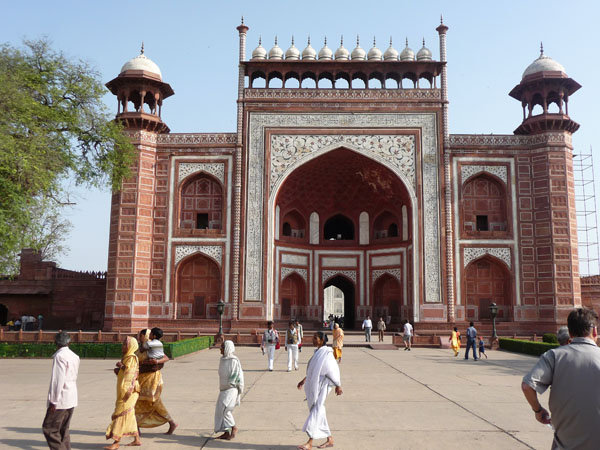
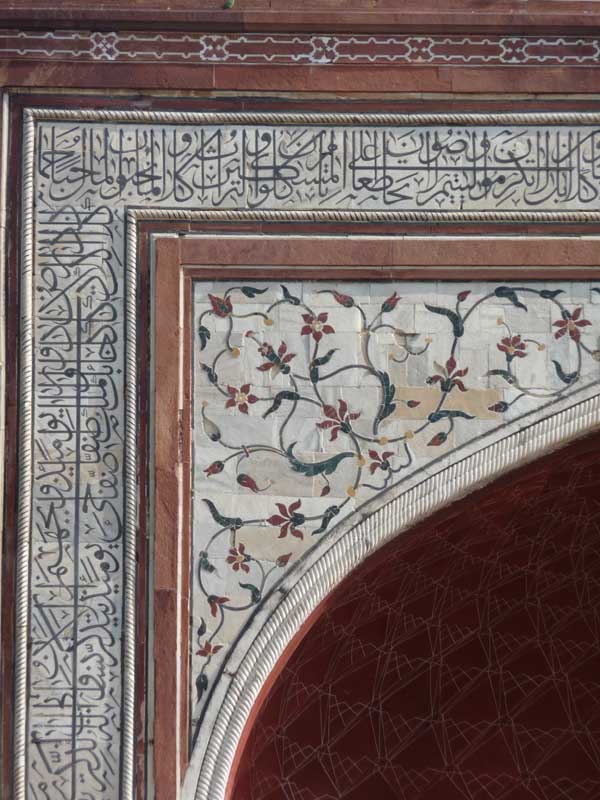
Below: the entrance into the Taj – exquisite entrance – notice the architecture and marble inlaid.
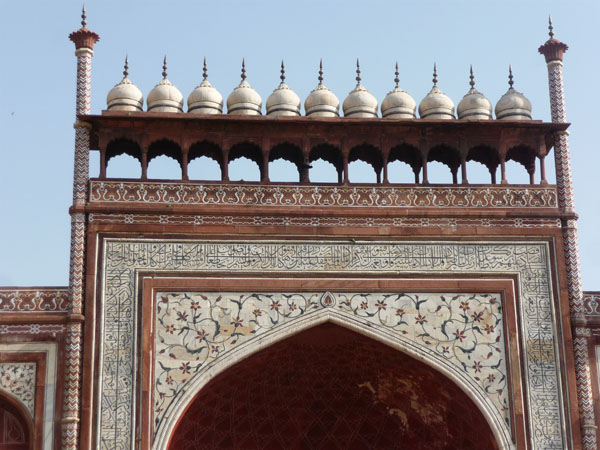
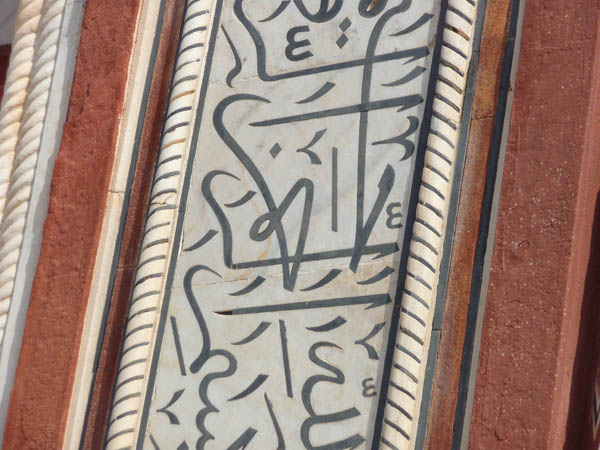
black marble inlaid in white marble with Islamic sayings
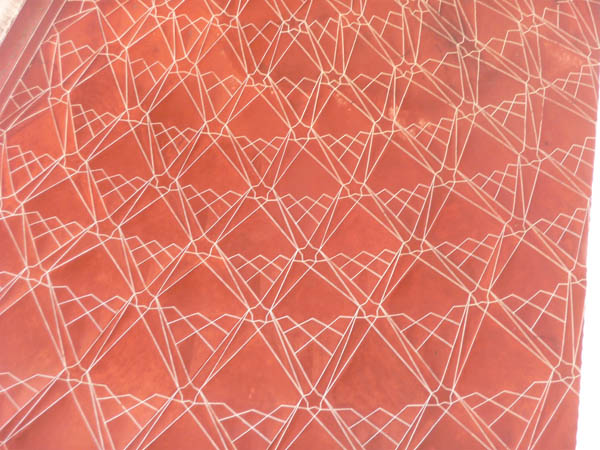
Under the dome geometric patterns of white marble in red sandstone
AND – Here it IS!!!!
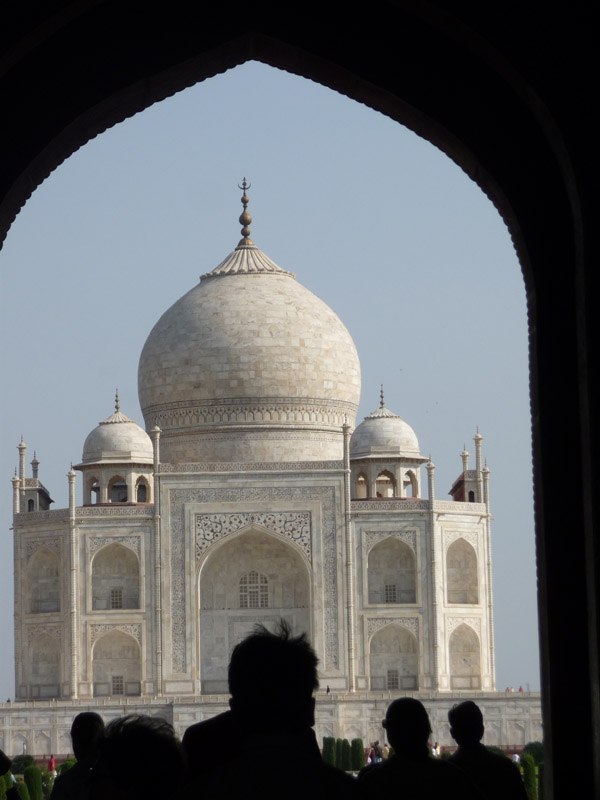
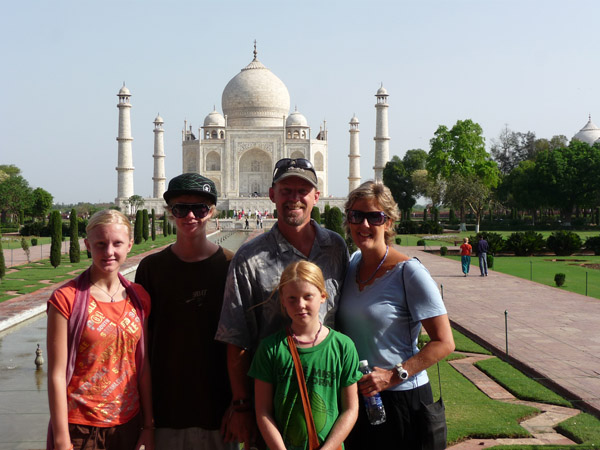
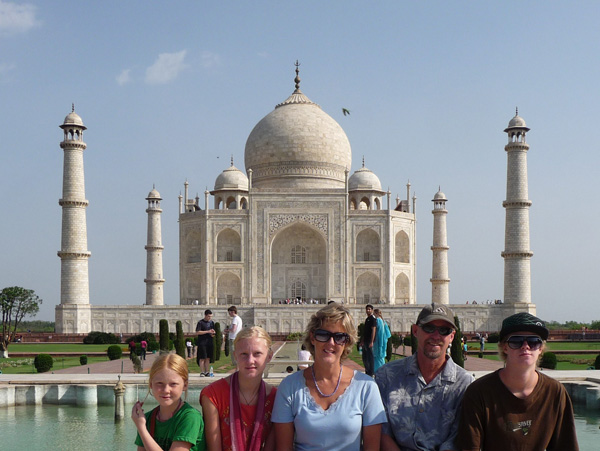
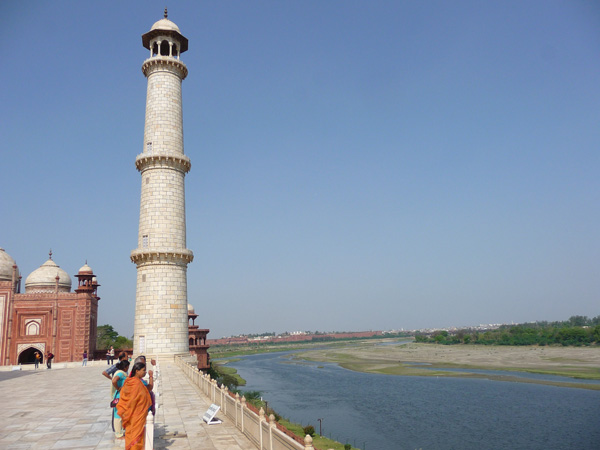
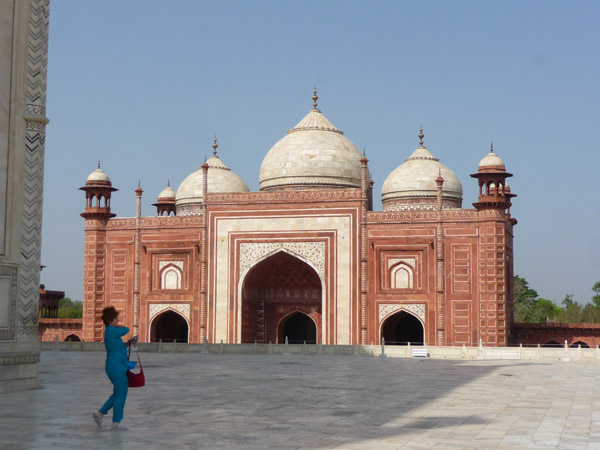
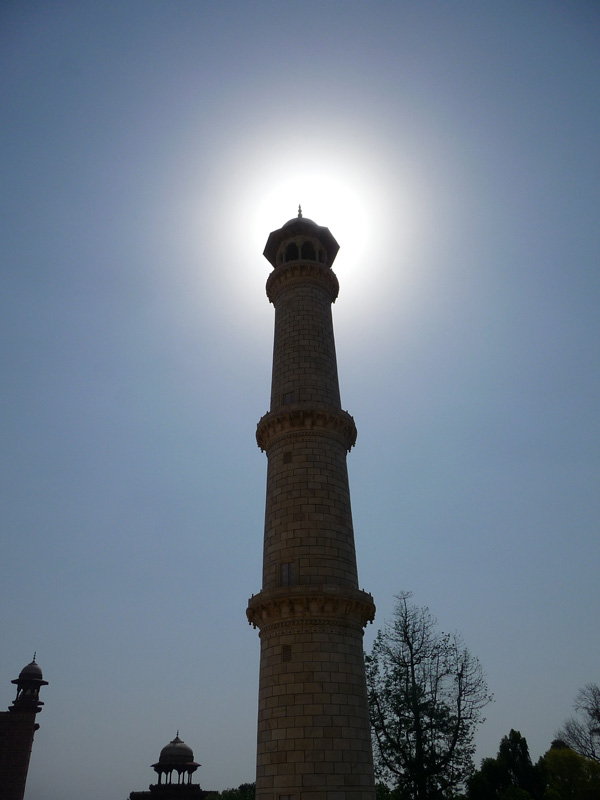
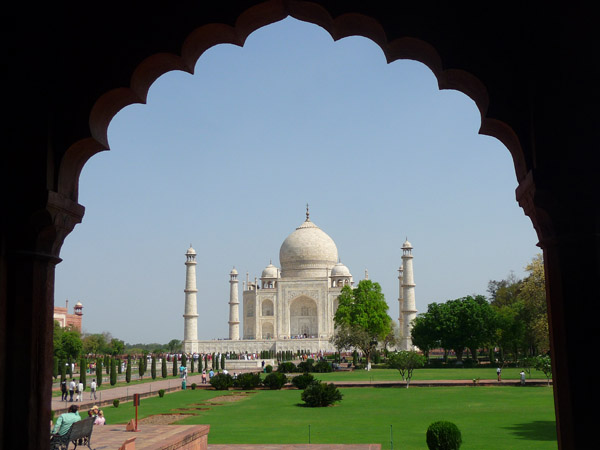
This gives you a full picture of the grounds. There is a Mosque to the left and Guest House to the right. All symetrical in shape. You may not notice but the minarets are not perfectly 90 degrees. They are a little tilted outward just in case of an earthquake. If one did take place the minarets would fall outward and not hit the main structure. From this distance the size is deceiving. However, take a look at the people (ant size) under the main dome entrance, then the size of the Taj makes you marvel.
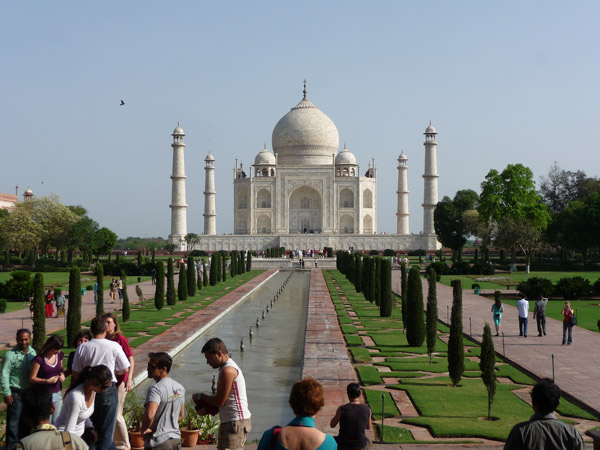
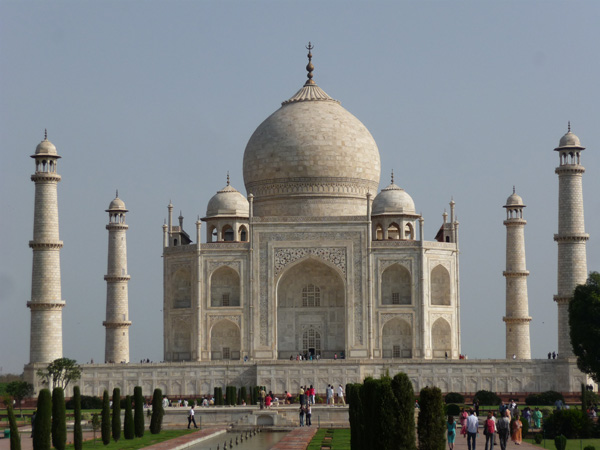
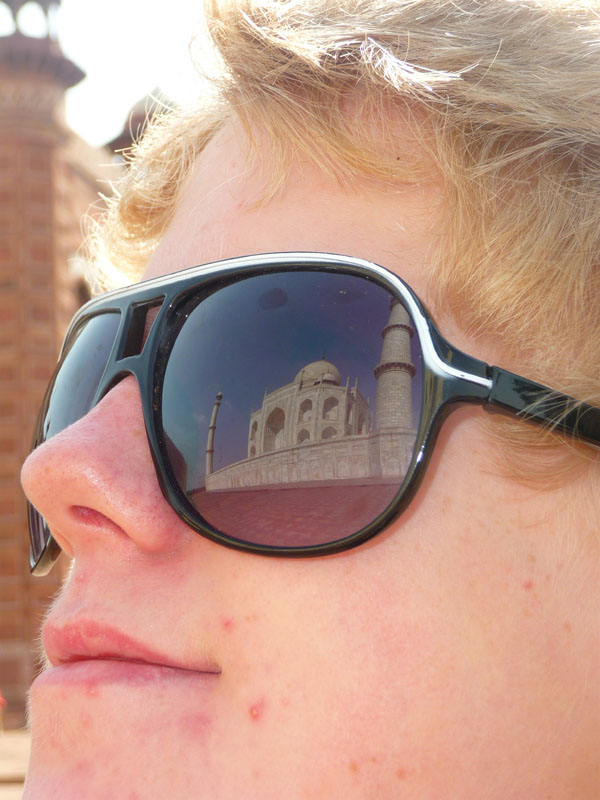
Fun Pictures – two beauties – the Taj and Natalie -if Natalie only knew I put this on in she would have my head.
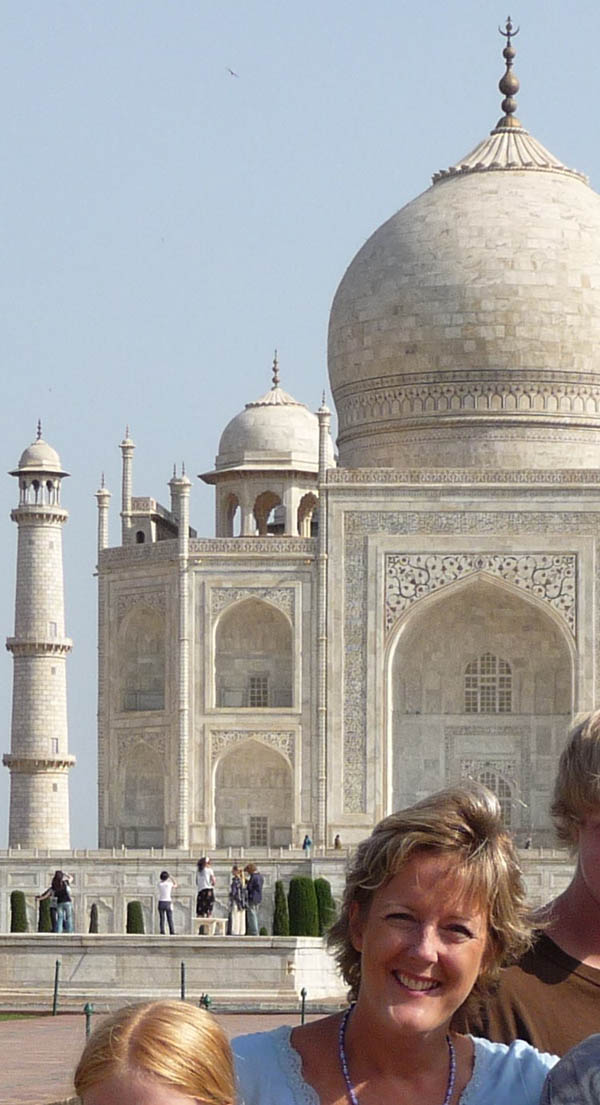
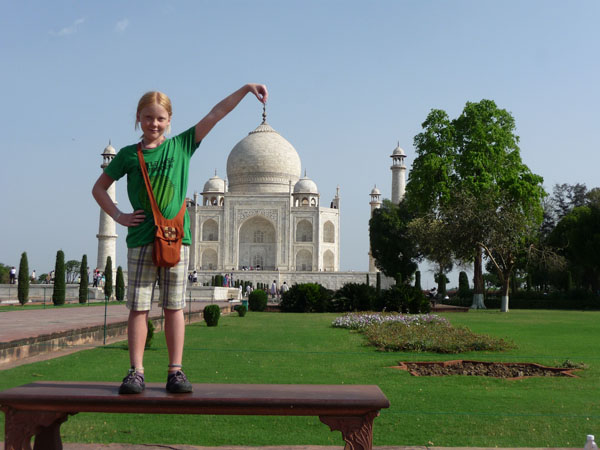
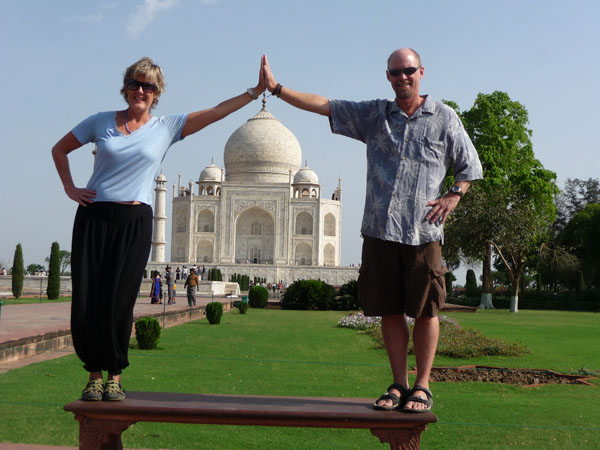
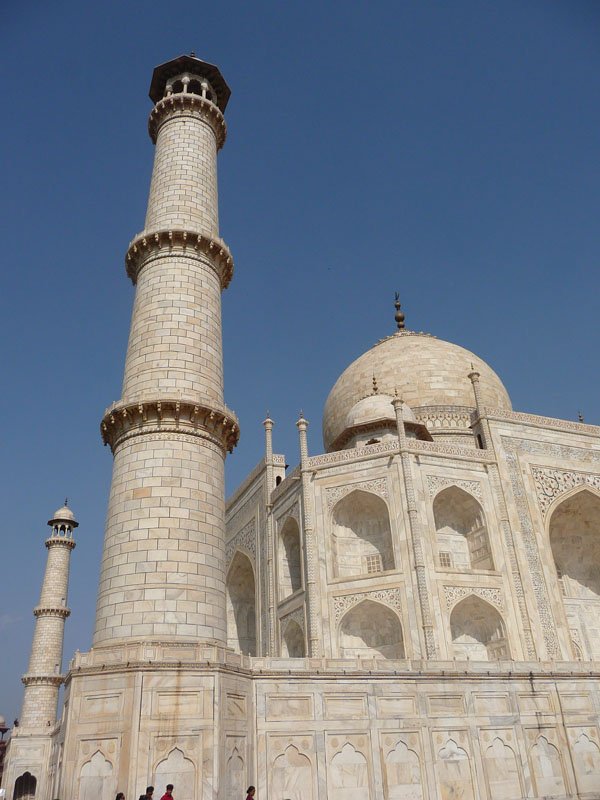
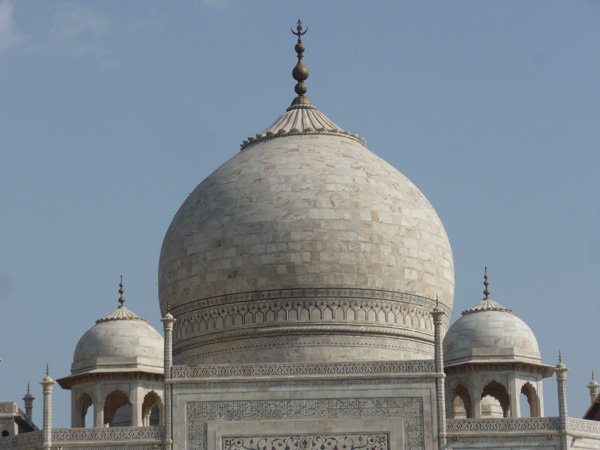
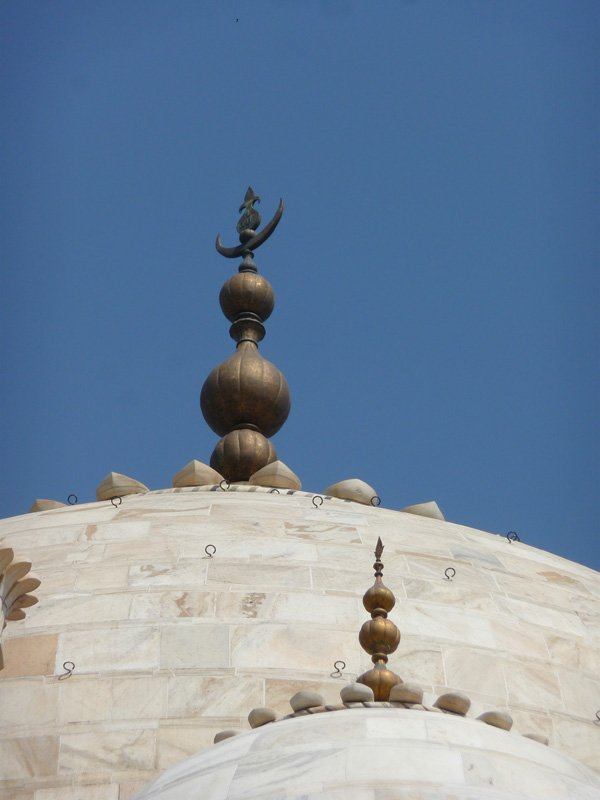
I forgot how many tons this top piece weighs. And, to think they got all the marble and it up there without cranes back in the 16th century.
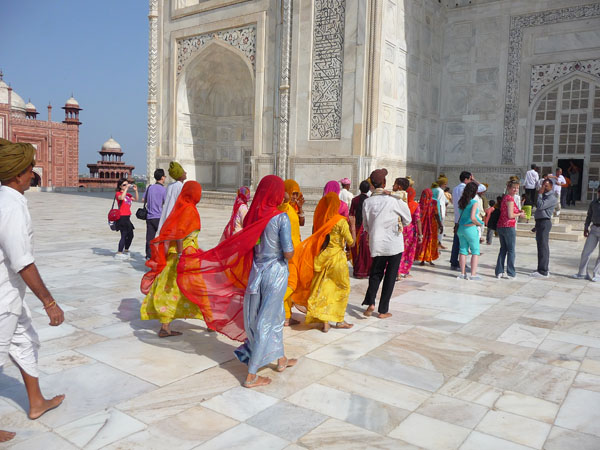
I really like the contrast of the white marble and the ladies colorful cloths.
Precious and semiprecious stone inlaid work. If you were to take a flashlight and place it on the red stone, it would light up. The white marble also is translucent. Therefore, people come at different times of the day to catch the Taj under a yellow lighting, white lighting, redish lighting, and moonlight.Â
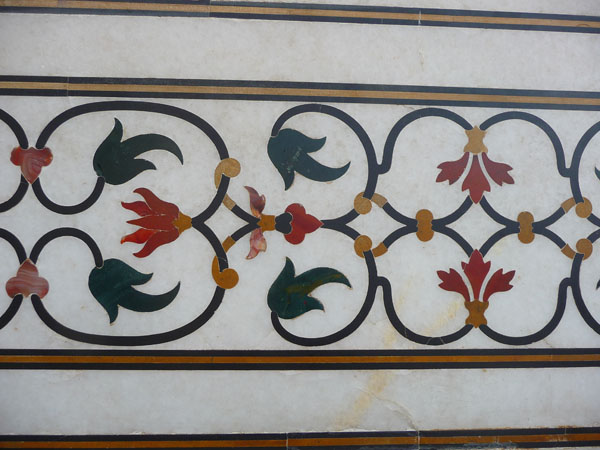
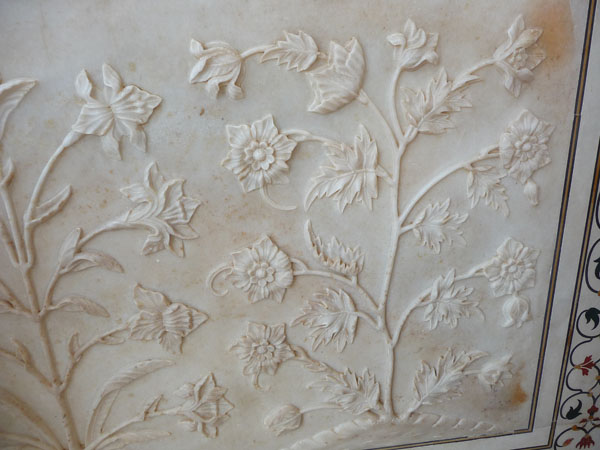
White, black, and yellow marble with precious stone dug out.
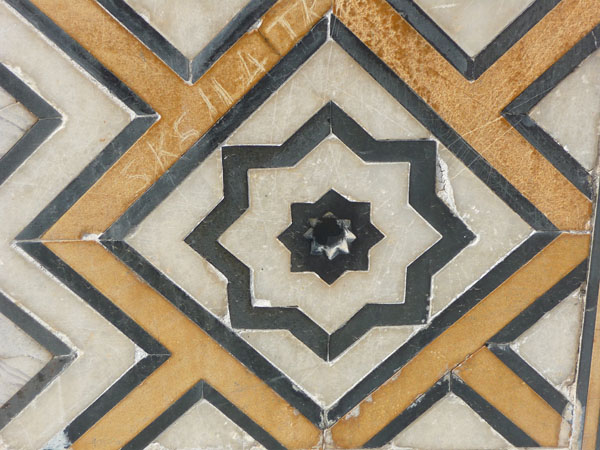
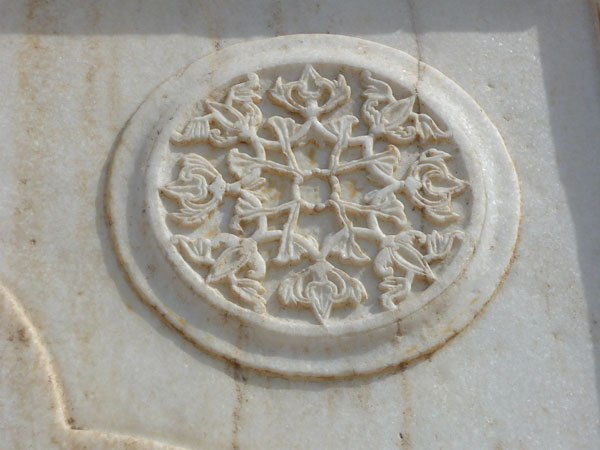
You can see the Agra Fort in the backgound. This is where Shah Jahans son imprisoned him and where he died. Across from where we are standing is the story of the envisioned black marble tomb that he wanted to build for himself.
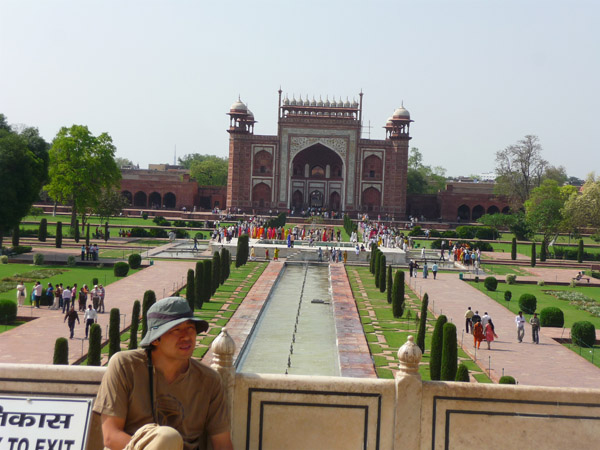
Looking back to the main gate. Notice the grounds.
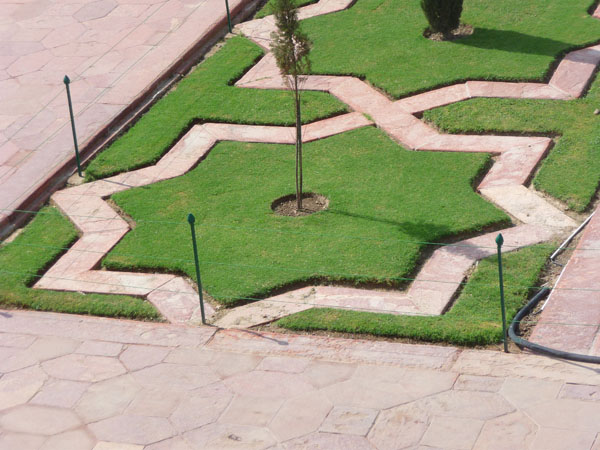
The eight pointed star is found often in Islamic archicture. The Petronas Towers base in Kuala Lumpur, Malaysia is founded on the eight star principle. It has to do with something Islamic (can’t remember now), but I also believe it must provide a form of stability.
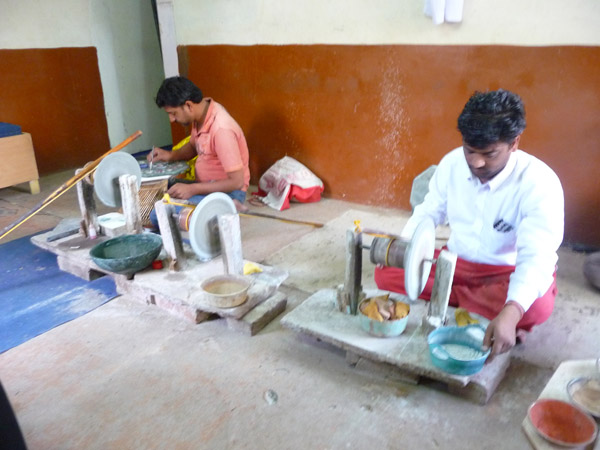
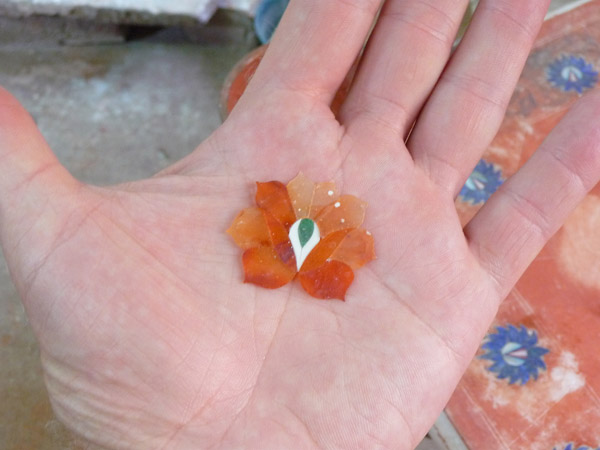
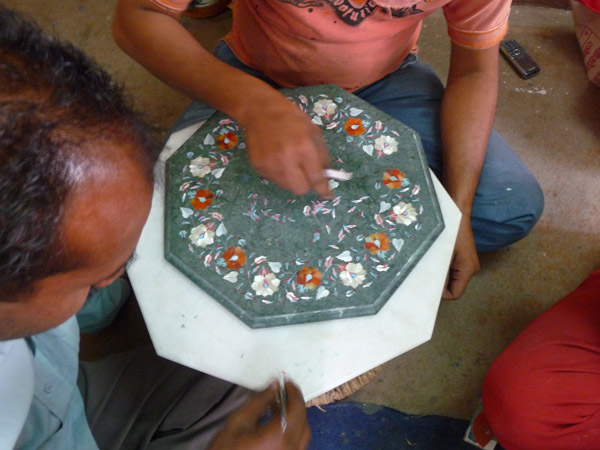
Marble Factory: We then were asked to go to a marble making “factoryâ€. We knew by now that the rental car company wanted the drivers to their charges to all these emporiums. They hope you’ll buy something, and they probably get a kick back. We went despite this, and the marble factory was a good educational experience in that we saw a demonstration of how the marble inlay of the Taj was made. It is a time consuming and intricate art form that is supposedly still produced as in the days when the Taj was built.   – below: grinding the stone to the right size and design.  The artisans fingers do not have any fingerprints. They are all worn off.
The long tube like structures are the “knifes” – marble cutters with diamond tips. The bowls to the left: red – covers the white marble so the can see lines, white – specific glue to bond the stones to the marble, brown – used to polish the marble aftward.
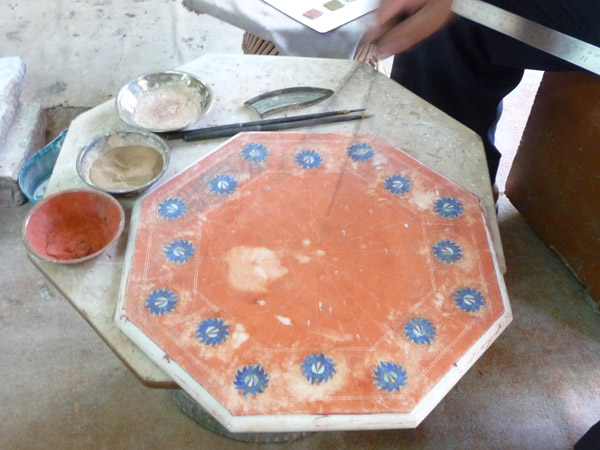
They glue the different pieces to make the flower. Then the put this on the marble and draw an outline. They then dig out the shape of the flower from the marble. Then glue the flower in place.
We now ran out of time, so we left Agra without seeing the Red Fort, knowing that we would be seeing another Fort on the way that was probably more stunning.Â
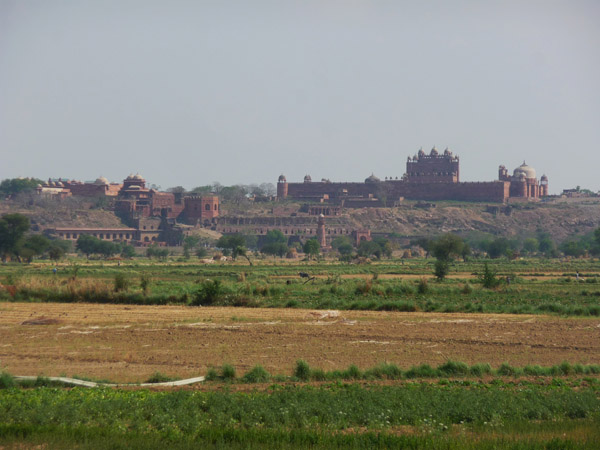
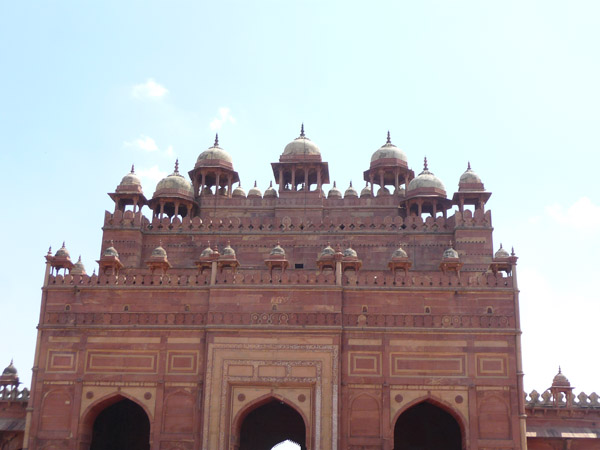
Fatipur Sikri: this fort was built by the Moghul emperor Akbar the Great. He is regarded as the greatest of the Moghul rulers. He was from Afghanistan, and even though he was thrust into power at the age of 13, he expanded the Moghul empire to cover most of northern India. He was considered a wise and just ruler following a policy of “peace for allâ€. He seemed to have tolerance for all religions, especially Hindu and Christian, despite him being Muslim. He developed a philosophy asserting the common truth in all religions (Faith of God). I guess he was troubled about having an heir. He consulted a know mystic “sufi†and soon after, an heir was born. Akbar then decided to build a “perfect city†and the capital of his empire in the area where he consulted the sufi. It was to be an expression of a community of intellectuals from many different religions to fulfill his love of debate. It is also an expression of the great Indo-Islamic architecture. There was one problem. It was erected in an area that suffered from a lack of  water and was abandoned shortly after his death. It is also said that he had a tunnel dug from this fort to the Agra Fort some 20 km away,  in case he needed to escape from maurading armies. It is truly amazing how these Forts were built with the massive red sandstones, the intricate details and carvings. I am always amazed at the artisanship. However, then you also wonder what it was like for the workers.
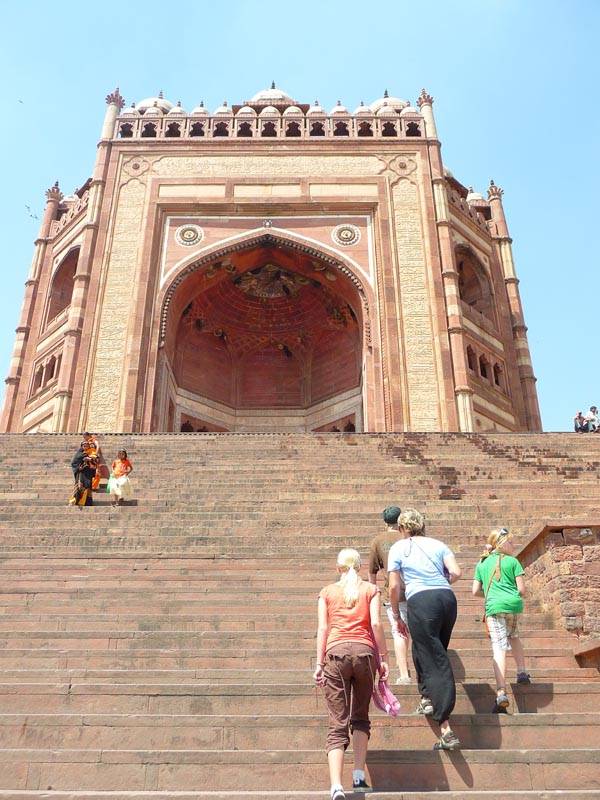
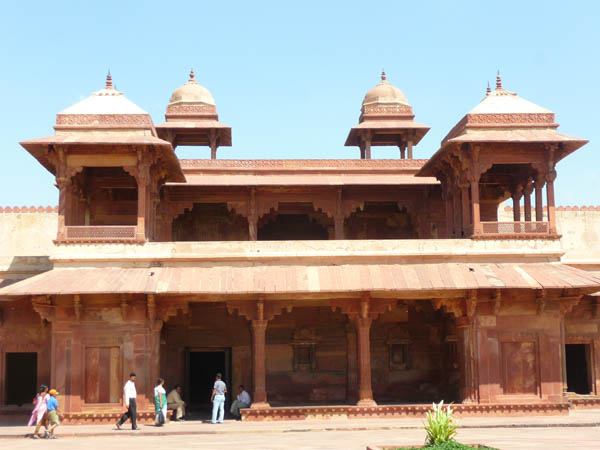
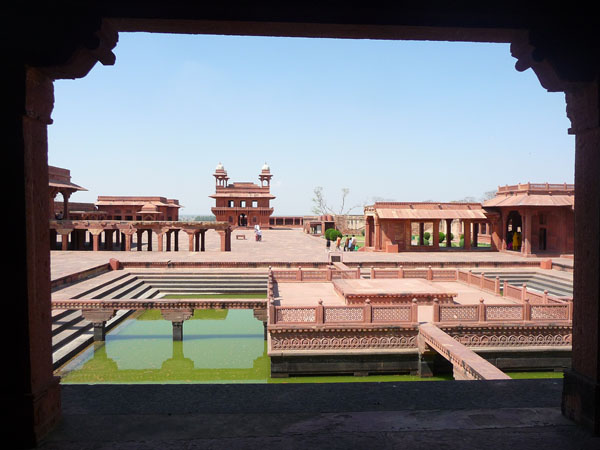
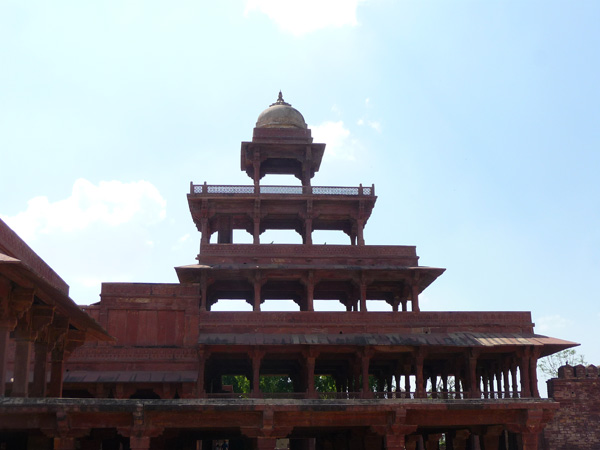
An area for the ladies of the court can sit.
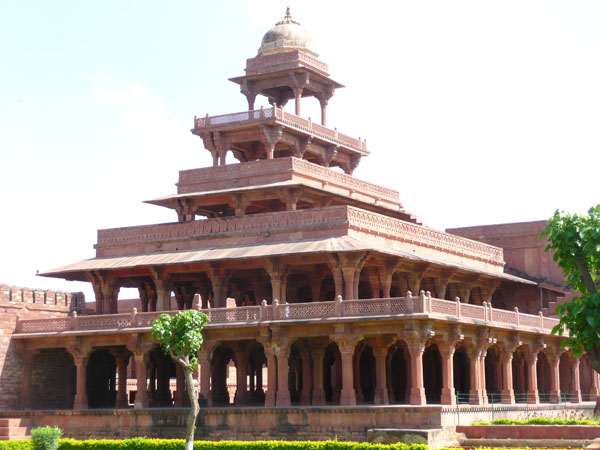
A specific building built for debate. Akbar would stand in the middle, while the philosophers and “theologians” stand on the outside while they had their debates.
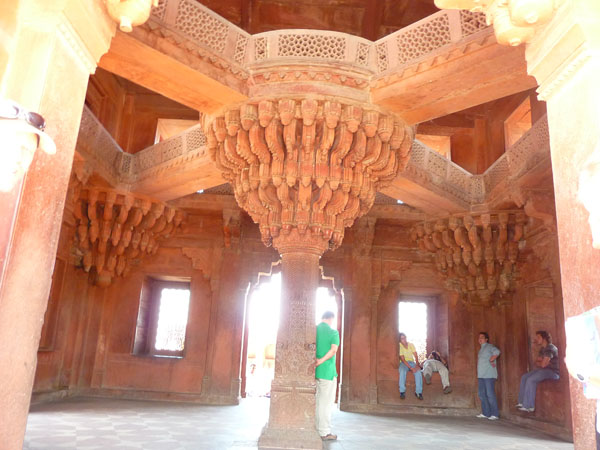
Hindu shrine area – interesting to have both Hinduis and Islam practiced under one roof. Too bad they can’t get along today.
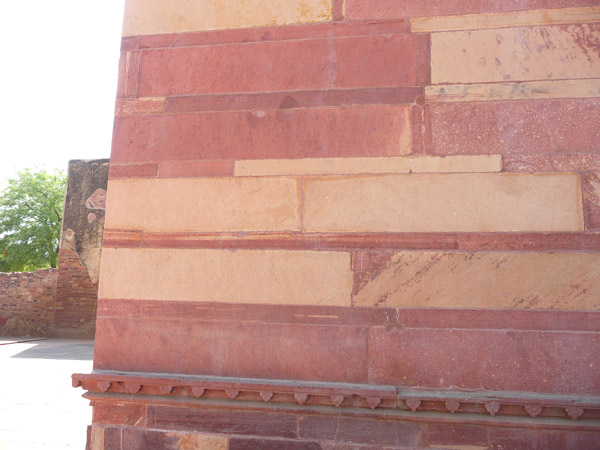
The sandstone building blocks.Â
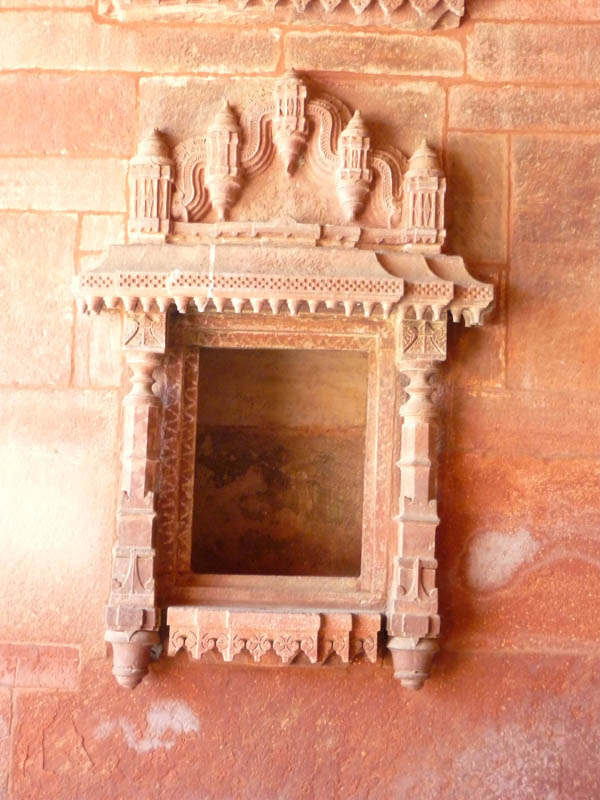
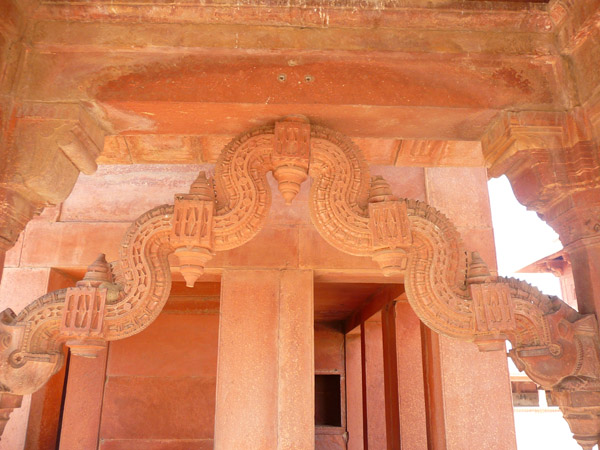
This carved piece of sandstone holds up the archway.Â
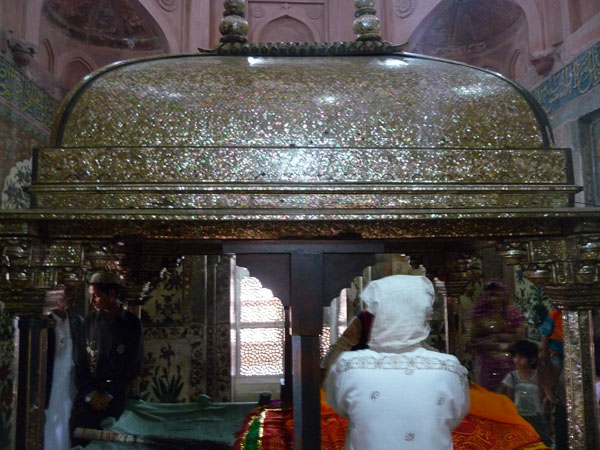
The tomb of the Islamic sufi that said Akbar would have an heir. It is made of mother of pearl.
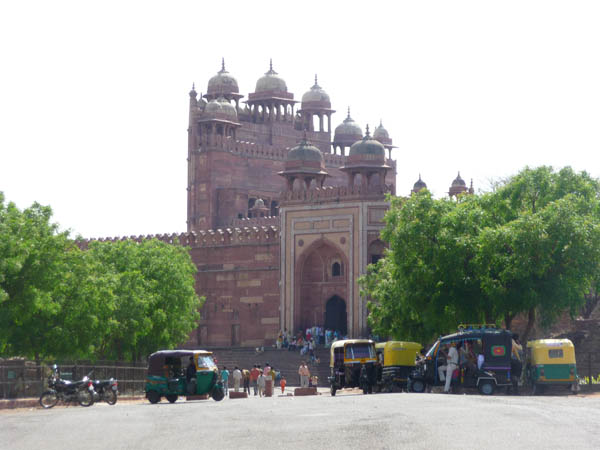
City Sights:
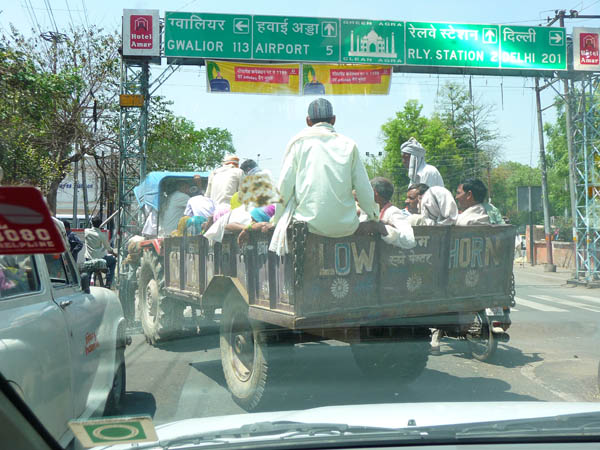
This truck was going very fast. When he took corners they almost tipped over due to all the people making it top heavy.
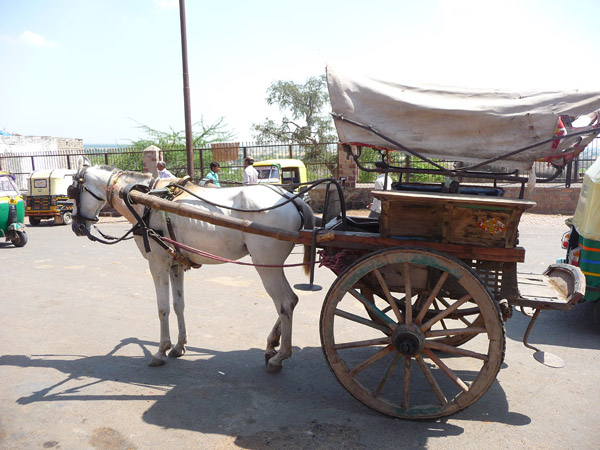
Ah – the tonga (horse drawn cart) – a staple of transportion 30 years ago. Not used much today.
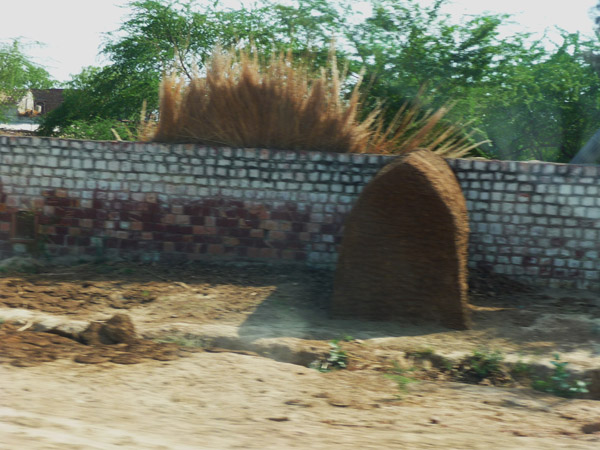
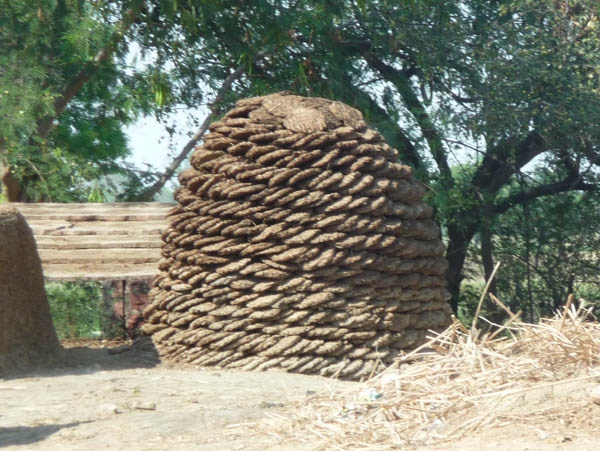
The water buffalo – provider of milk and dung (used as firewood)
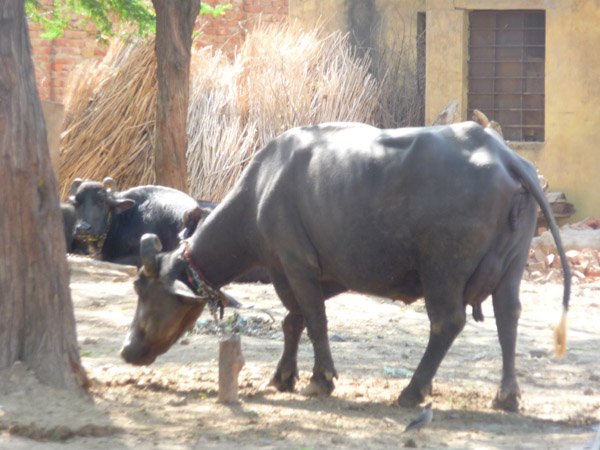
Kids and ladies will go around collecting the dun into patties. They then slap them on the wall do dry. The are then housed in the tent like structures to keep dry. They then become firewood for cooking.
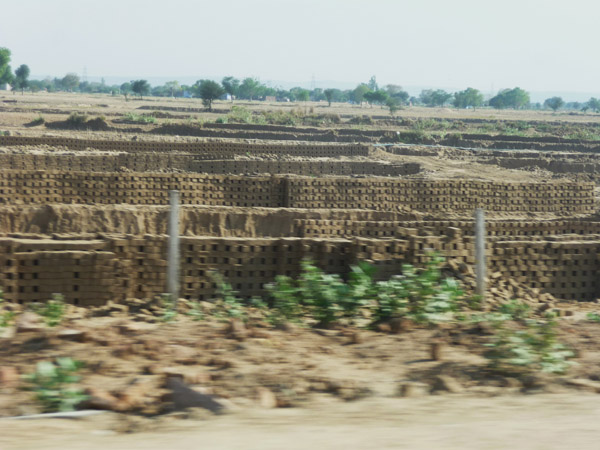
Most of the buildings are made from brick. This is the factory for curing/fireing the brick.Â
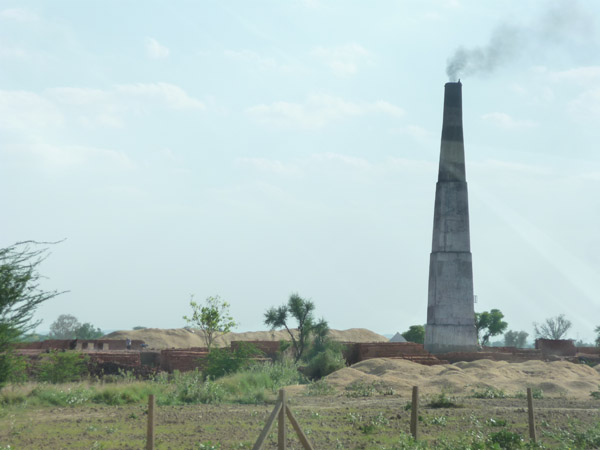
The clay is dug from the earth, put into molds, then dried, then fired.
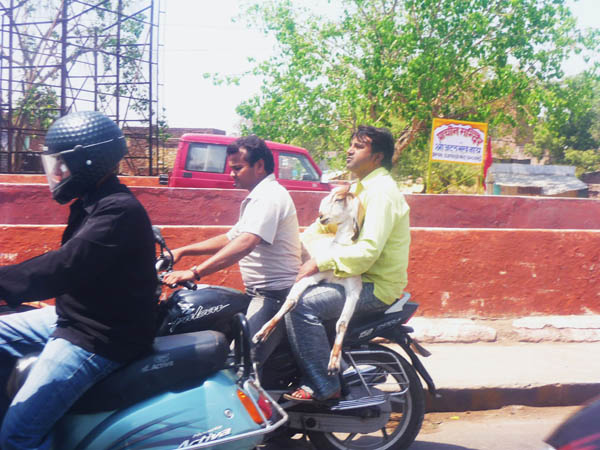
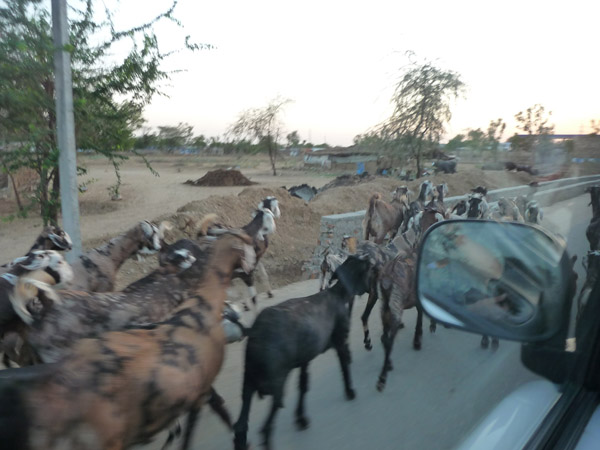
Animals always rule the road.Â
Josh- The Taj was really big and it was, ahhhh, cool. The Taj Mahal was a magnificent piece of construction and it had many specialties about it. The Fort was rather boring. It didn’t have any thing to it; it didn’t have anything that made you go wow! Only the Taj had that. Did you know that the word ‘Taj Mahal’ in Microsoft Word is spelled wrong?!Natasha- The Taj Mahal was really beautiful and really big! It was all marble and had inlaid precious/semi-precious stones and marble in it, too. The inlaid marble was yellow, red, black, blue, and a stone called firestone that when you put a flash light on it, it glowed, kinda. There used to be real stones like rubies and things! The guy who built it was also going to make a Mahal out of black marble. The Fort was not real interesting to me, however it was huge. I didn’t like going into the mosque because it reminded me of terrorists.Â
Annika– The Taj was huger than huge. It was amazing. It was a very big place to bury someone. There was an inlaid marble that was called firestone. When you put a light on it, it would light up and glow. There were two other buildings opposite the Taj. One was a mosque and the other was a residence for guests. The Fort was huge and I was getting annoyed by the “touts†hassling us. I liked the flower carvings in the red sandstone.
Tags: Travel
 tahoejohnson
online pharmacies of canada
online slots australia
Australia’s Best Pokies: Our Real Testing Results
Our team has spent months testing the top online pokies in Australia. We’ve personally reviewed each site, checking how fast they pay out, the actual value of their bonuses, their licensing, and how well they work on mobile devices.
Every site we list holds GCB license under 96GROUP, which means they meet standards for fair play and responsible gambling.
Our Top Recommendations
Partner Top Offer Min Dep Payout Speed* Score
APP996 Up to AUD 2,000 match AUD 5 5–10 mins 5.0
OPAL96 6% weekly commission AUD 5 ~10 mins 4.9
VIVA96 110% welcome bonus AUD 5 ~10–15 mins 4.8
MM96 VIP rewards + missions AUD 5 ~15 mins 4.7
Handling time after KYC verification. The time your bank takes may vary.
Our Findings
– APP996: Offers a 50% welcome bonus and a 0.96% rebate.
– OPAL96: Has over 5,000 games and is a newer platform.
– VIVA96: Supplies a 110% bonus, 17% daily reload, and an 8% win/loss rebate.
– MM96: Includes up to a 100% welcome offer and daily missions.
Our Evaluation Method
We made genuine withdrawals to verify processing times, checked the validity of licenses and RNG fairness, looked closely at the real bonus value after accounting for wagering requirements and withdrawal caps, checked the quality of their 24/7 support, and made sure responsible gambling tools were available.
Mobile Performance
All these sites use Gialaitech’s mobile-suited platform:
– Play directly in your browser—no app needed
– Add the site to your home screen for quick access
– Includes biometric login, works well with one hand, quick cashier (PayID, cards, e-wallets, crypto)
– Offers custom themes, session controls, and optional notifications for bonuses or payouts
Essential Information
These partners are GCB-licensed. Our ratings are our own opinion—any affiliate payments don’t influence our scores. All bonuses come with terms (wagering requirements, withdrawal caps, game restrictions). Must be 18 or older.
Should you need gambling assistance: Gambling Help Online: 1800 858 858 or gamblinghelponline.org.au
Game responsibly. Know your limits.
herramienta de equilibrado 2
https://vibromera.es/herramienta-de-equilibrado-2/
Sistemas de balanceo: clave para el funcionamiento suave y eficiente de las maquinas
En el mundo de la tecnologia moderna, donde la eficiencia y la fiabilidad del equipo son de relevancia critica, los equipos de balanceo desempenan un papel crucial. Estos dispositivos especializados estan creados con el fin de equilibrar y estabilizar partes rotativas, ya sea en equipos industriales, medios de transporte o incluso en equipos domesticos.
Para los profesionales en mantenimiento de equipos y los ingenieros, trabajar con sistemas de balanceo es indispensable para garantizar el trabajo seguro y continuo de cualquier sistema rotativo. Gracias a estas innovaciones en equilibrado, es posible disminuir de manera notable las oscilaciones, el ruido y la carga sobre los cojinetes, aumentando la resistencia de piezas de alto valor.
Igualmente relevante es el papel que juegan los equipos de balanceo en la atencion al cliente. El soporte tecnico y el cuidado preventivo utilizando estos sistemas permiten ofrecer soluciones confiables, aumentando la confianza del cliente.
Para los propietarios, la inversion en plataformas de equilibrado y monitoreo puede ser decisiva para elevar la eficiencia y productividad de sus equipos. Esto es especialmente relevante para los administradores de negocios medianos, donde cada detalle cuenta.
Ademas, los equipos de balanceo tienen una amplia aplicacion en el campo de la seguridad y el control de calidad. Permiten detectar posibles fallos, evitando reparaciones costosas y averias graves. Mas aun, los datos obtenidos de estos sistemas pueden utilizarse para perfeccionar flujos de trabajo.
Las areas de aplicacion de los equipos de balanceo cubren un amplio espectro, desde la produccion de vehiculos ligeros hasta el control del medioambiente. No importa si se trata de grandes producciones industriales o pequenos talleres caseros, los equipos de balanceo son imprescindibles para garantizar un desempeno estable y continuo.