
September 14, 2006
Have been back in Shanghai for about two weeks now. Was planning to venture up north, but somehow the days have passed quickly while I stayed behind. Ran around a lot in terms of getting some stuff done before heading home. But a much bigger part of the reason was family and friends. H. and I met up with one of his good friends since college. And of course, paid quite a few visits to relatives I hardly get to see, being from the States.
So, what's Shanghai at the end of summer and into early autumn like? Well, the first few days back were warm and unbearably humid - similar to Thailand except way more stickier. Then rain came and the weather became cool and overcast, marking the beginning of fall.
Not only has the weather changed suddenly, but Shanghai has transformed quite a bit since the last time I was here, which wasn't too long ago (almost half a year). Feels like what I can imagine 1930s Shanghai was like back then. New developments and skyscrapers have sprouted, many new fancy shops and restaurants have opened, many Shanghainese have been enjoying the city's rekindled explosive prosperity, quite a few expats/foreigners have been coming here to embrace the booming economy, and you can feel a general vibe of capitalistic-frenzy everywhere.
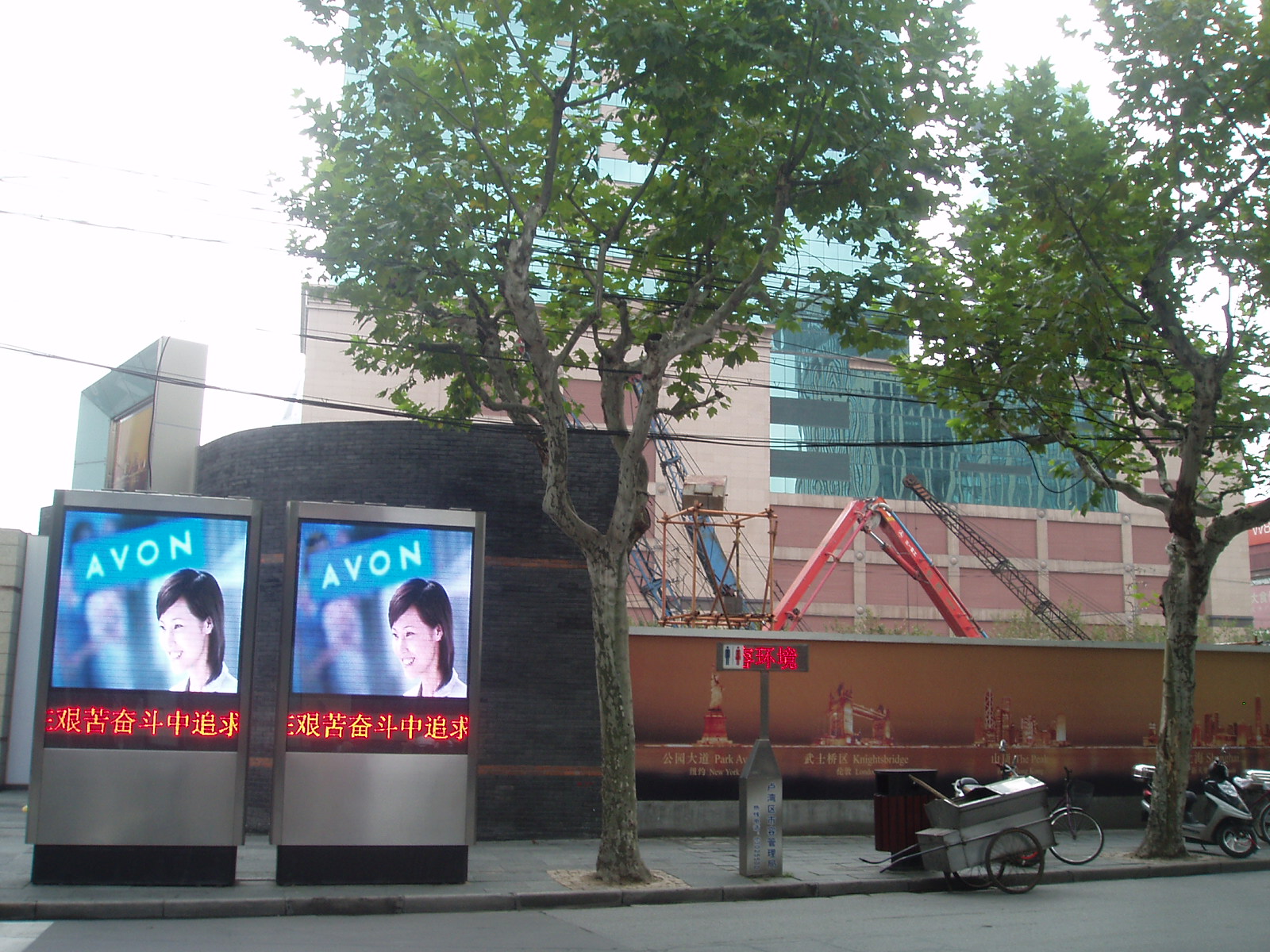
behind that wall and those video screens lies a new development in the ritzy Xintiandi area - used to be a park six months ago
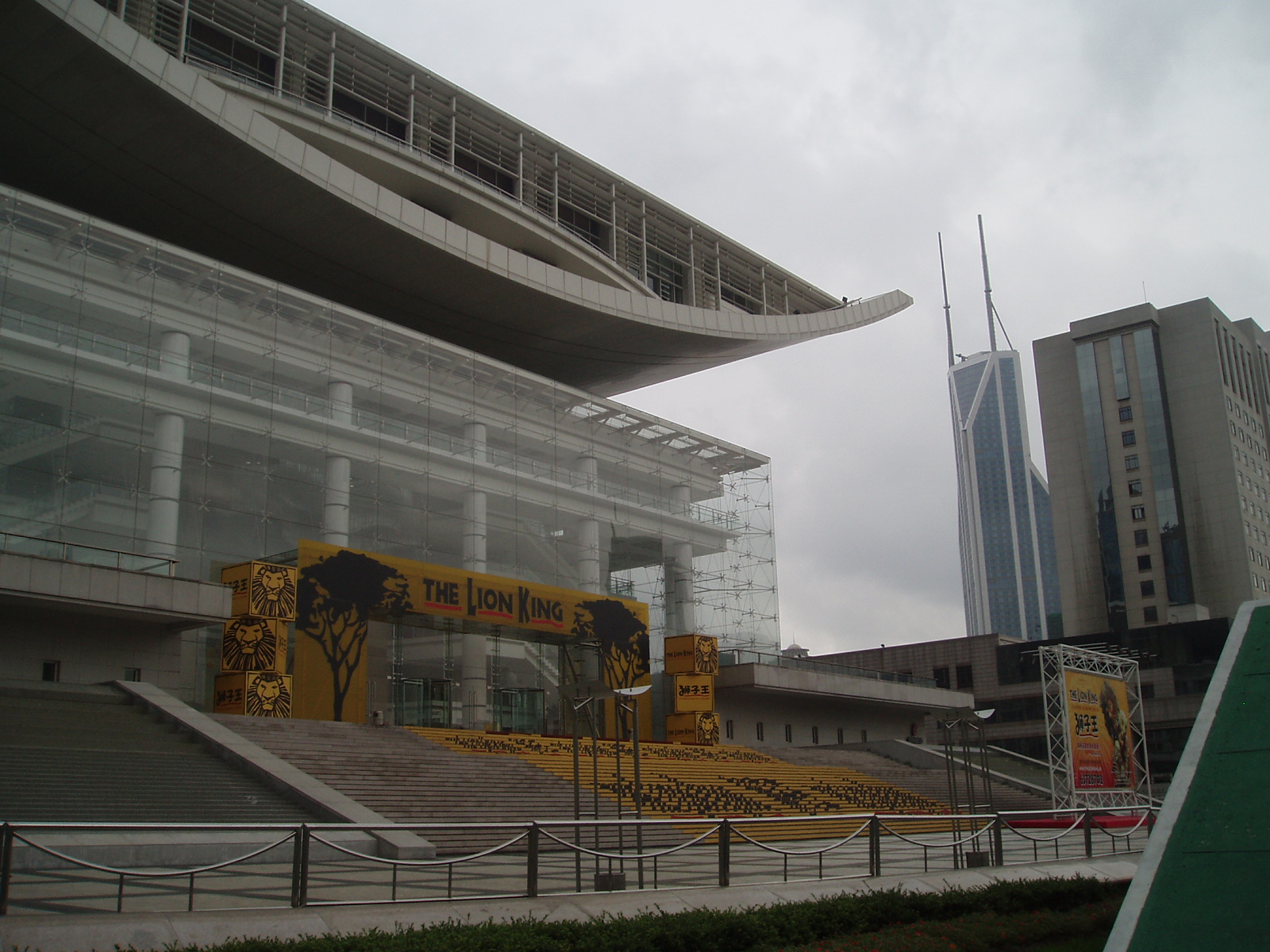
Tried to get tickets to see the Lion King, but guess what?? Most of them are sold out till October!
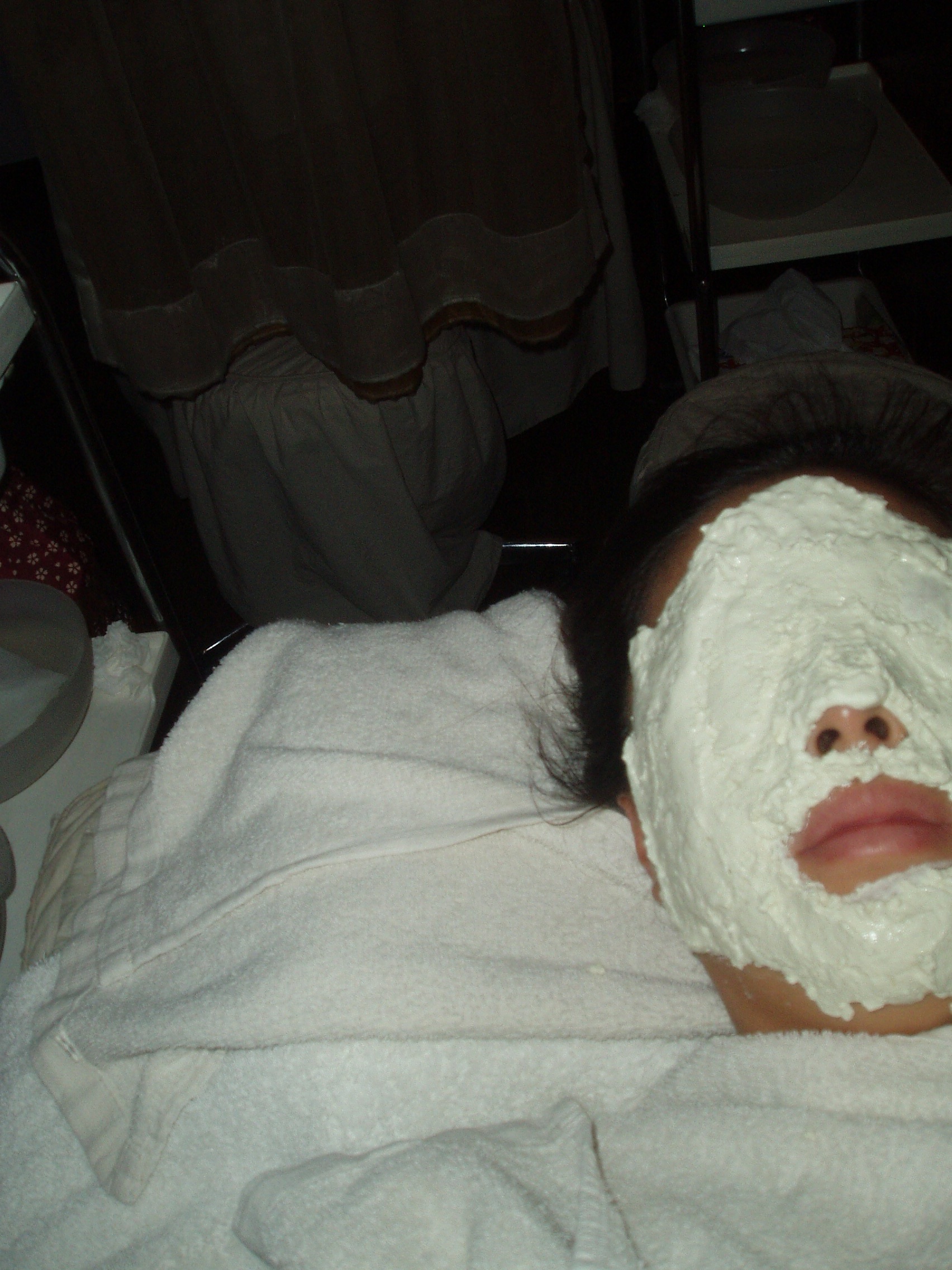
getting my first facial ever after 6 months of being under a glaring, summer sun (many times without sunscreen), at a lovely spa called Everlasting - don't I look maahvelous??
I would actually say that this would be a drastic change from when I was here almost 15 years ago, and maybe even just a year ago. For instance, they have started putting in separated recycling and non-recycling bins, traffic cops have started issuing tickets for violations, and I even saw a 'no-spitting' sign. The only thing that's somewhat saddening is the tearing down of beautiful Old Shanghai structures and replacing them with highrises. Wonder why they don't just renovate and/or add to them? Besides that, it's been zealously great!
But the main question is, when will the next dynastic upheaval happen?
Hopefully never.
August 30, 2006
Spent the last few days in Greece on the island of Peloponnese, specifically in the Venetian-influenced town of Nafplio. Have never been to Italy's Naples, but heard that Napflio is quite similar.
A few photos...
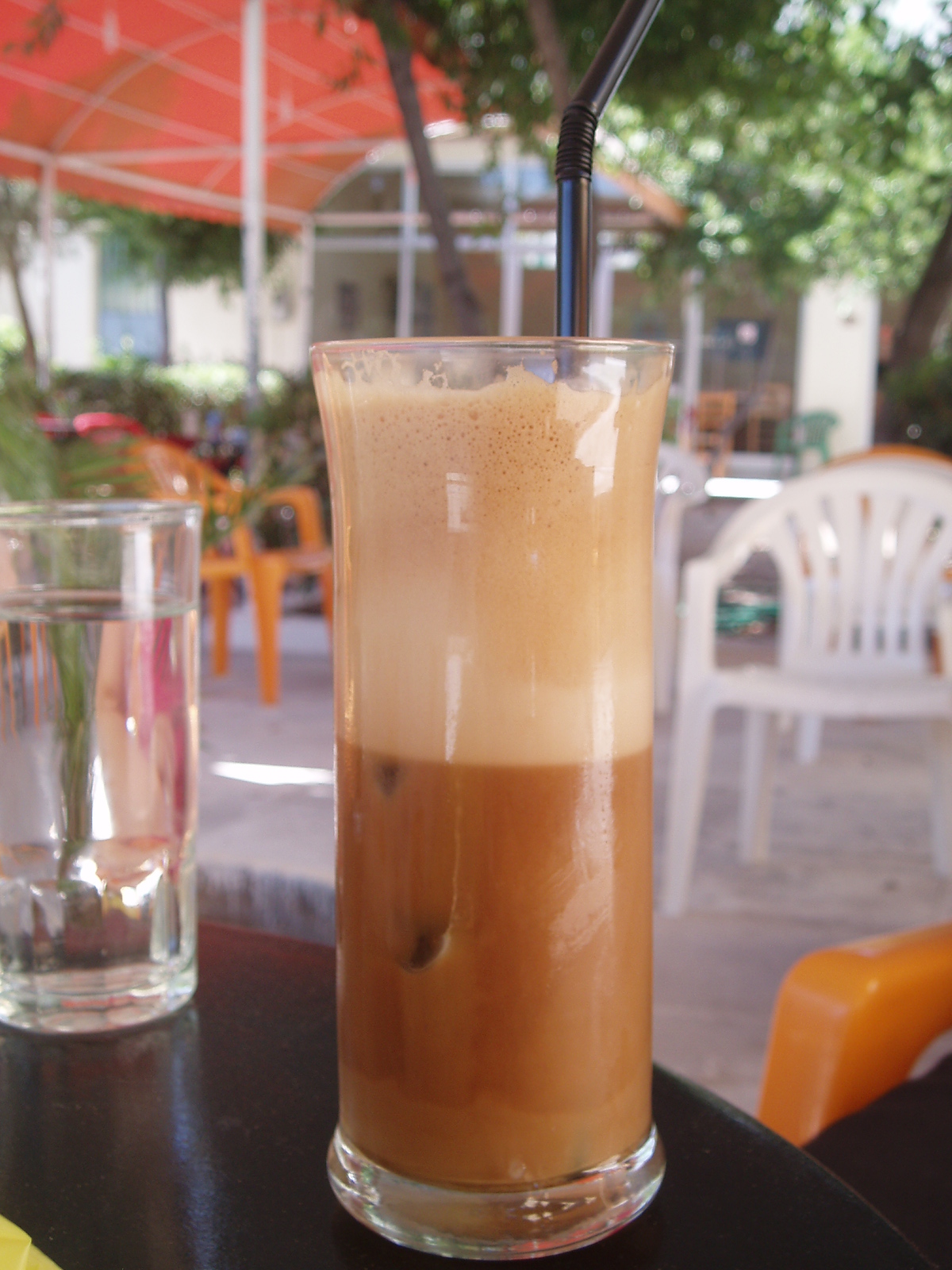
this photo concludes that everyone in Greece drinks what they call 'frappe', which is actually made of Nescafe with or without milk and/or sugar
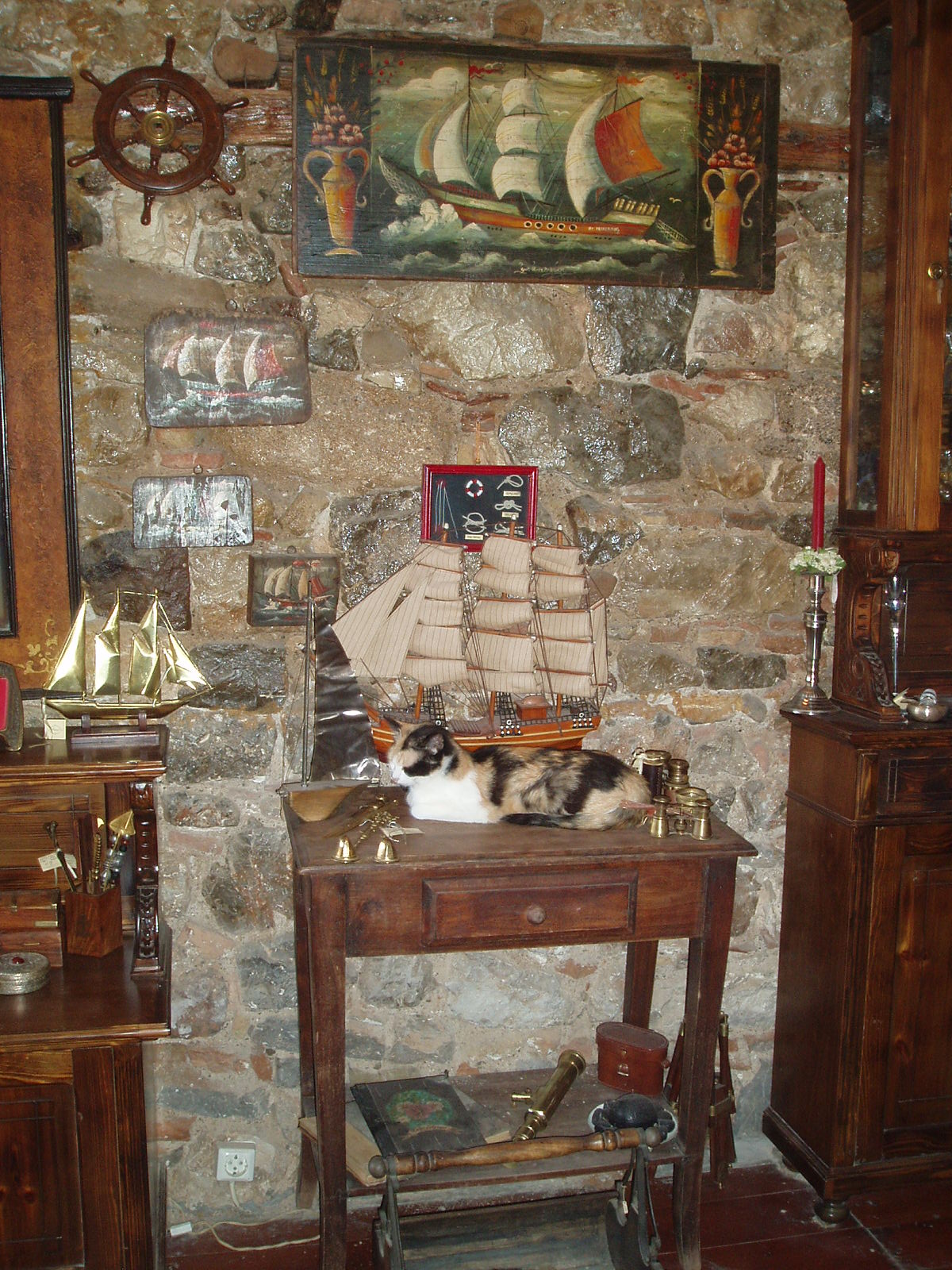
H. stumbled upon the cutest boutique pension (and the best place stayed at in Greece so far), Pension Atheaton, for an unbelievable price for what you get
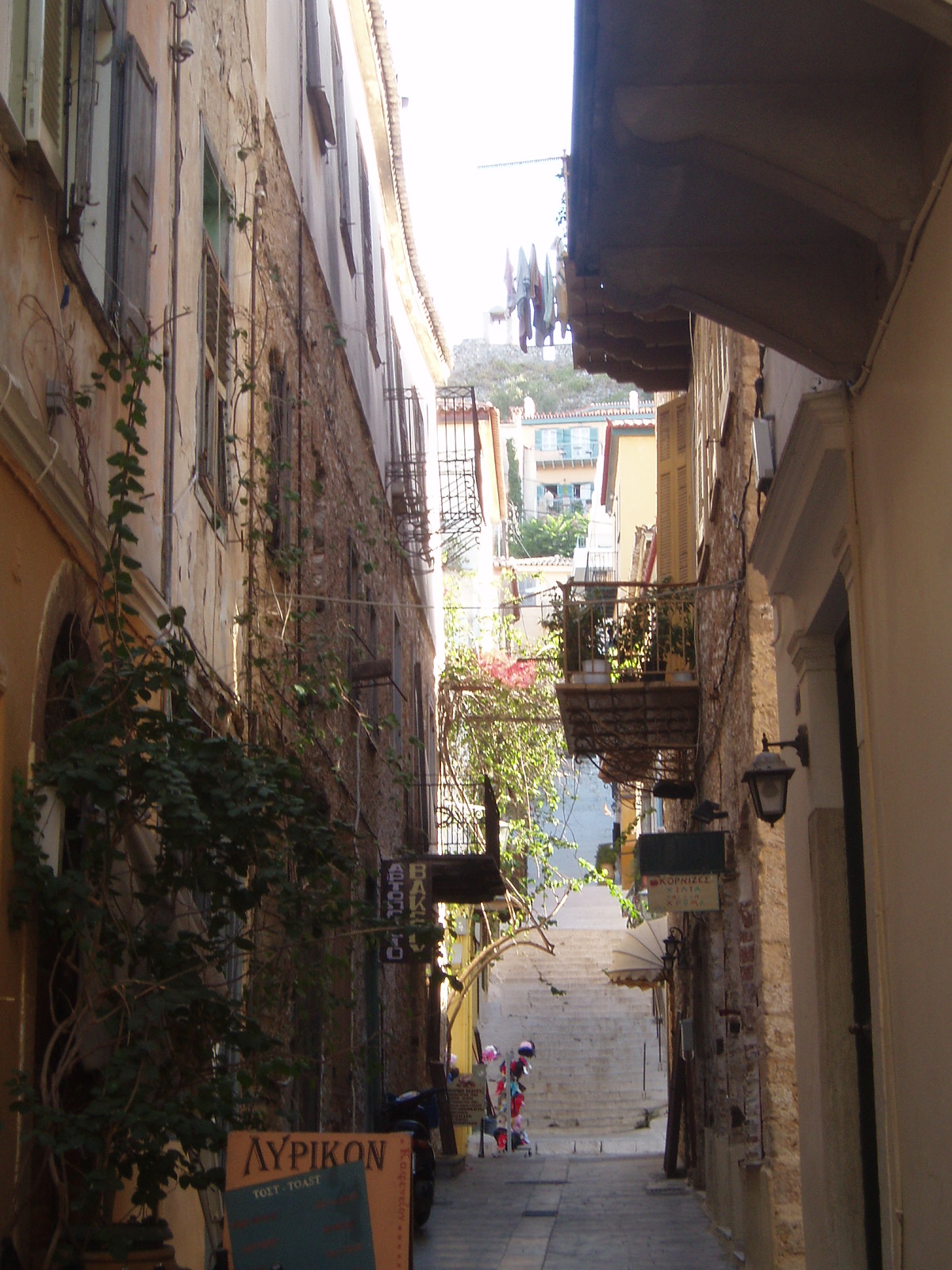
a street scene in Old Town
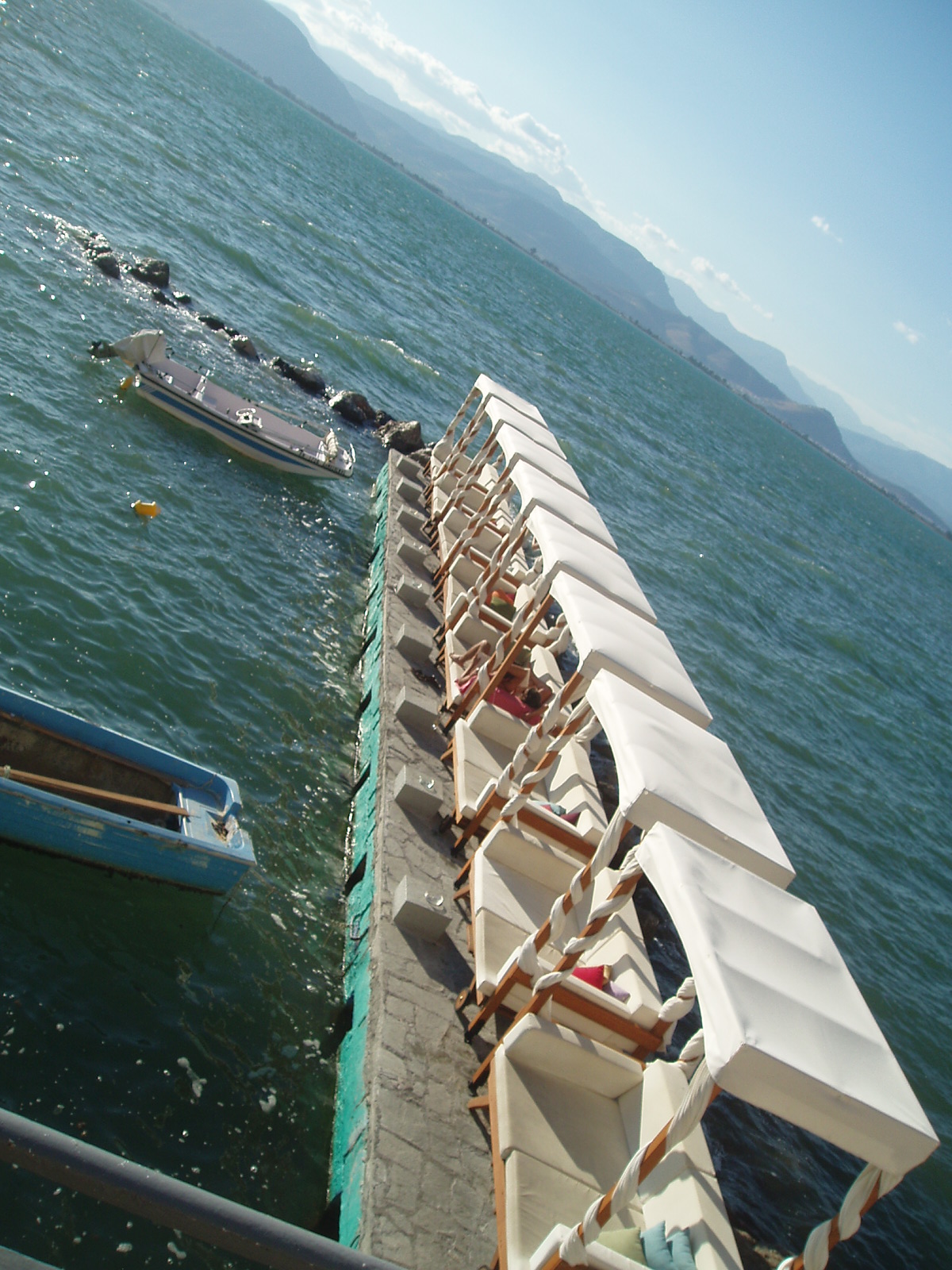
found it curiously interesting and pretty cool to see cushioned rest areas by the sea
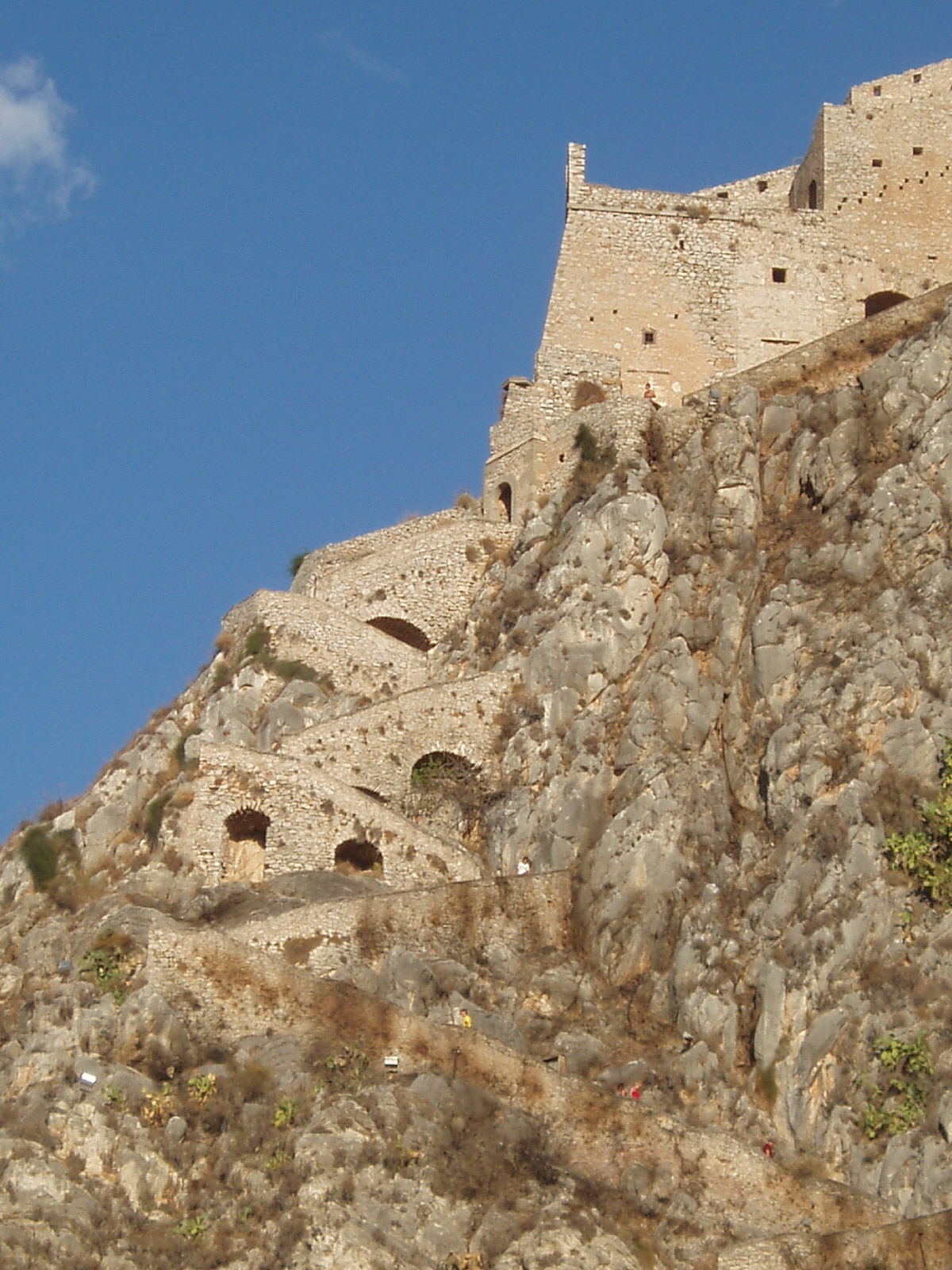
999 steps up to Venetian-style Palamidi Fortress, one of the three around Napflio
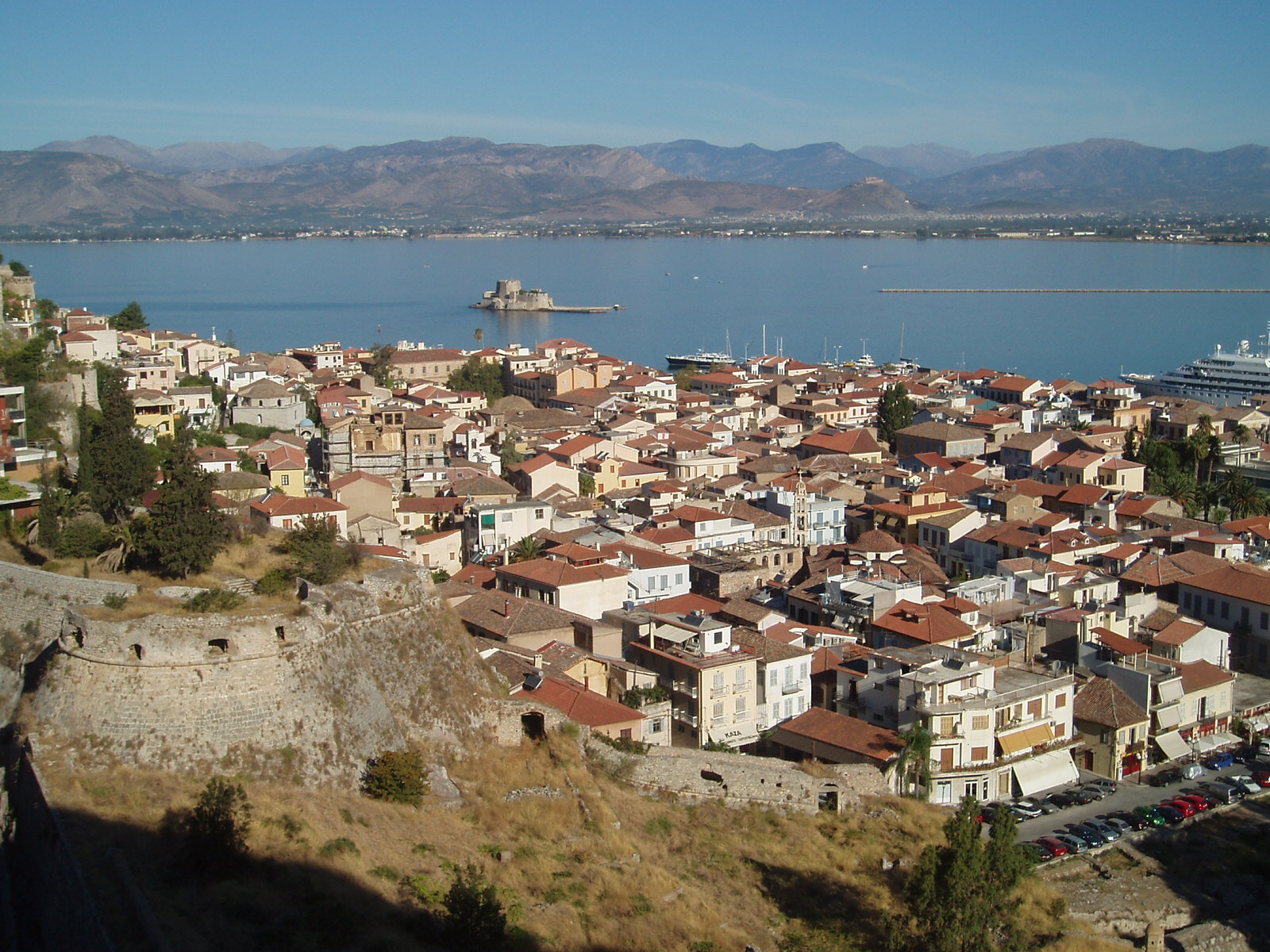
view of Old Town, Akronafplia Fortress (on the left), and Bourtzi Fortress (on the island in the sea)
many taxi drivers drive in Mercedes around Greece - uncommon in the States
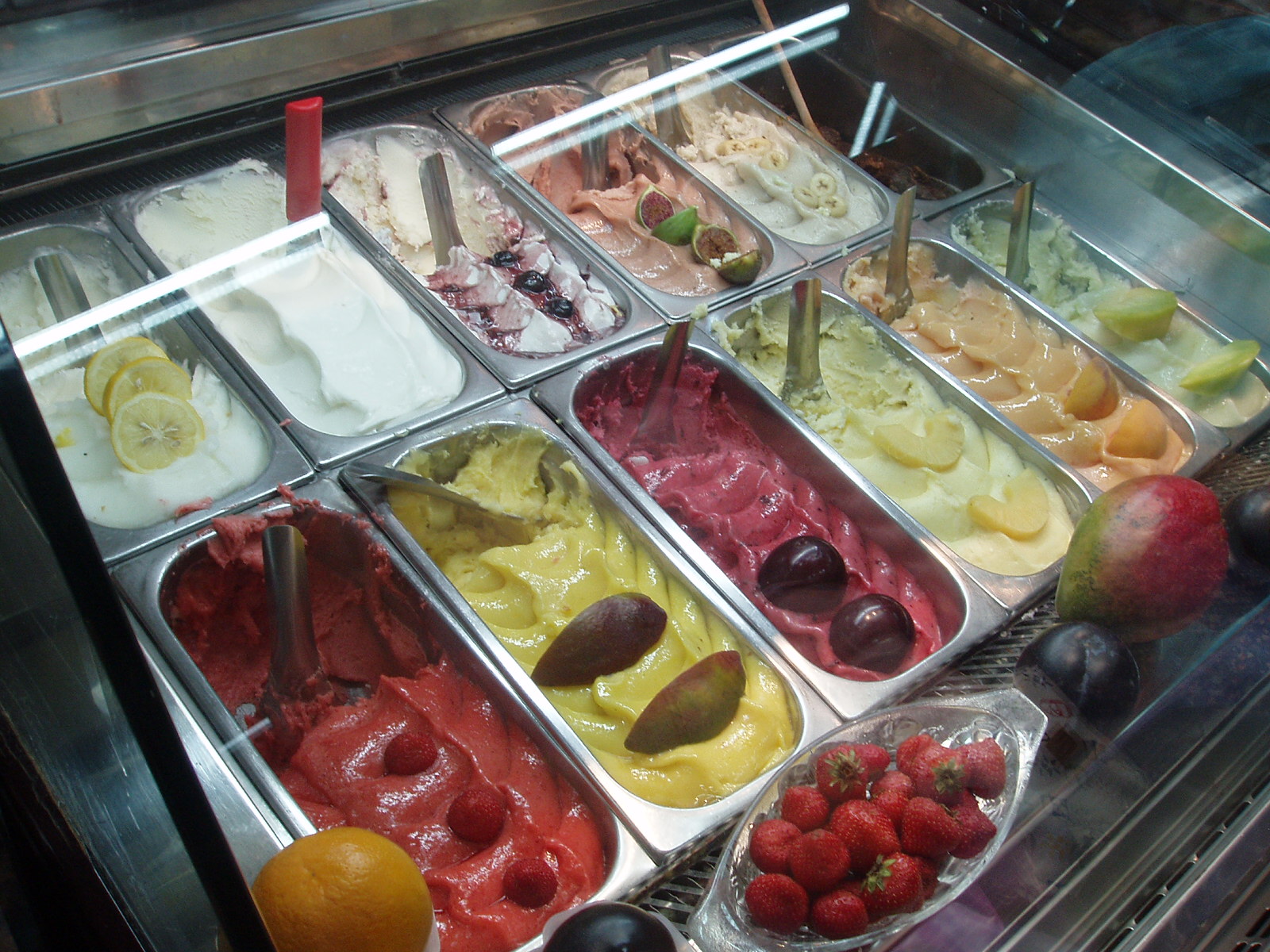
delicious gelato, H. attests (and he's not even a big fan of ice cream/gelato)
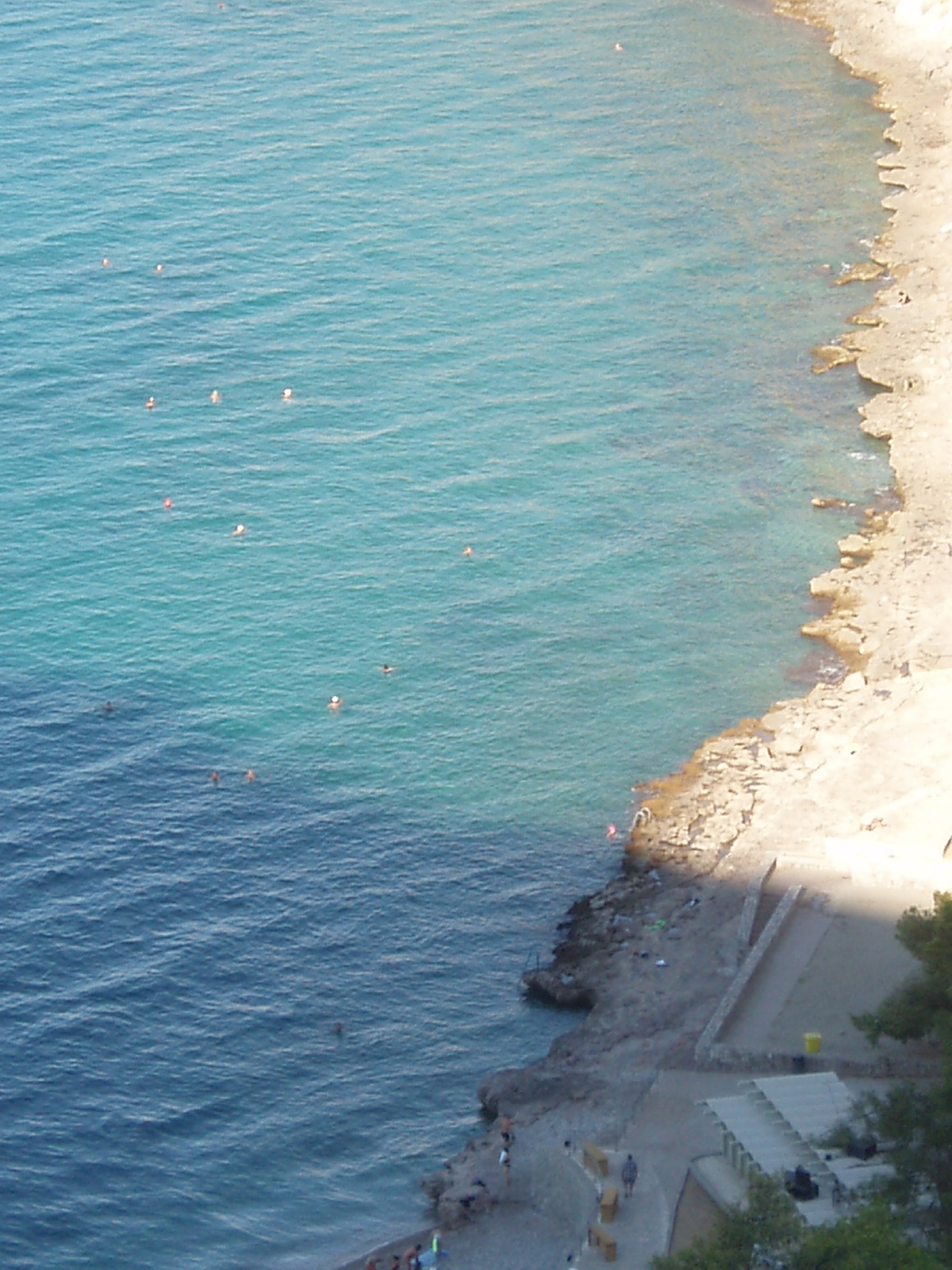
people taking a morning swim in the sea
On one of the days, took a half-day trip to the ancient ruins of Mycenae. The site was discovered a few decades ago by a German archaeologist during his travels. Homer wrote about this place in the Illiad. Some say that his stories are actually more valid than mythical, according to what has been excavated there!
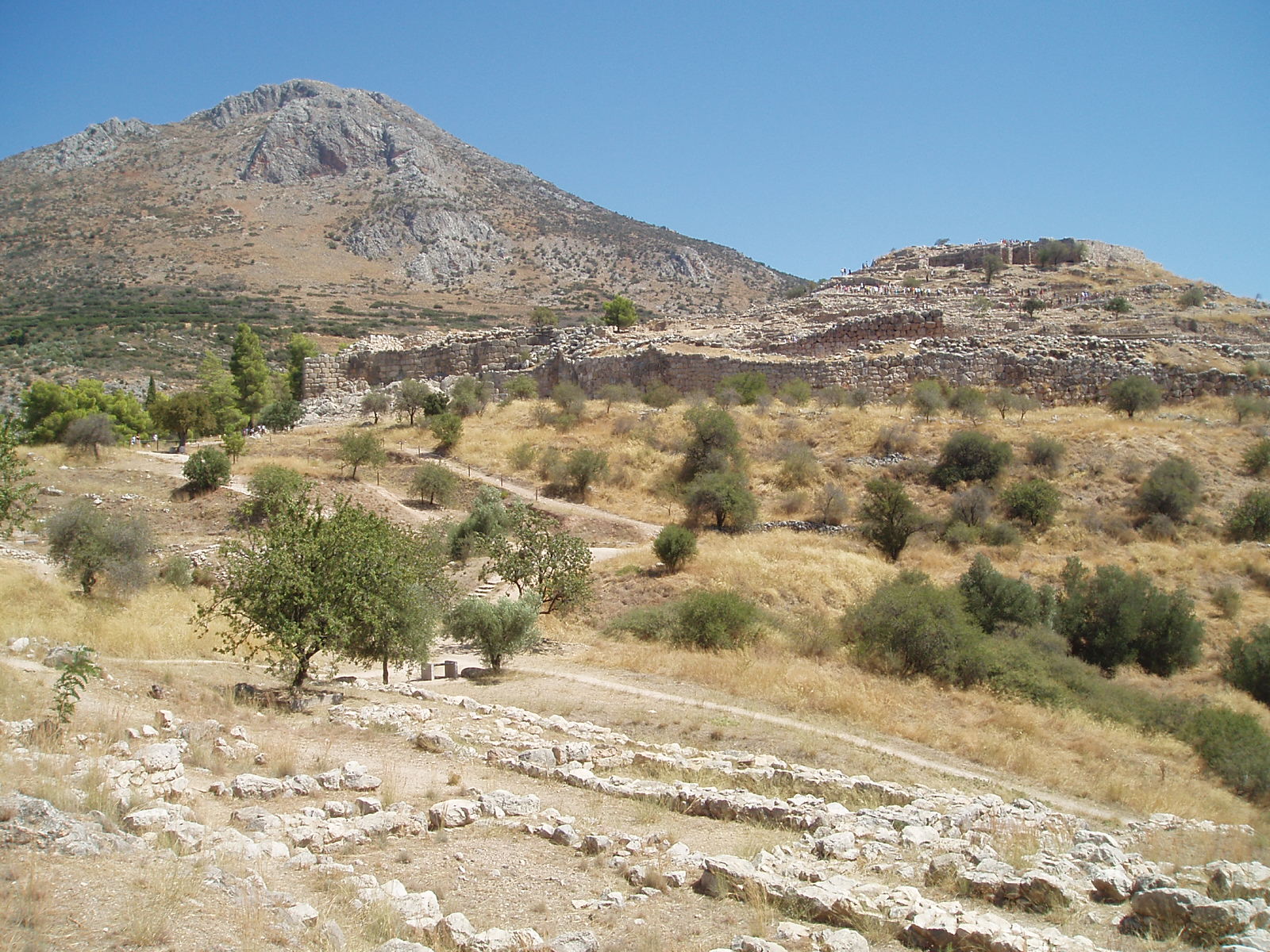
Ancient Mycenae
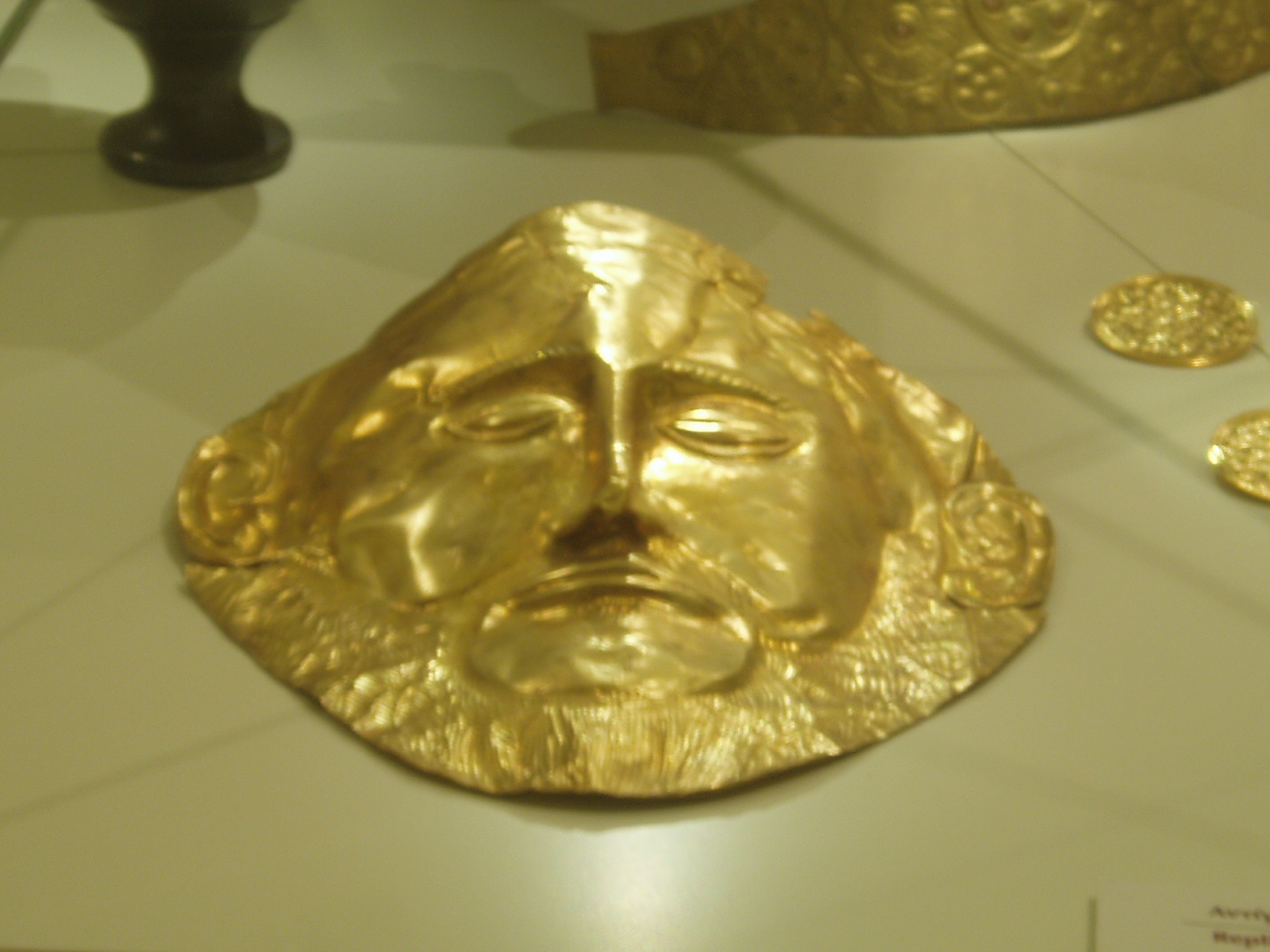
a replica of a gold death mask of an ancient Mycenae king, which was found in the ruins
***
Pleasant, wistful memories made. Will miss Greece.
August 27, 2006
Originally was planning to go down to the Peloponnese first to visit some more ruins before spending the last few days on a couple of Greek islands. The bus from Litohoro to Athens stopped at a different terminal from where other buses can be caught to the Peloponnese towns. Tried getting on a taxi to the other terminal, but either the taxi driver couldn't understand me or didn't have time to go to the other terminal (taxis work like buses in Greece, but for a bigger fare of course - they go only in a certain direction and you can hop on one with other strangers [and no, you don't split the cost]). So as a result, went back to Syntagma Square in Athens via local bus. Then metroed to Piraeus, ferry port and gateway to the islands.
For the next couple of days, went island hopping quickly to the ones near Athens. As it was getting close to the end of August, crossed our fingers for smaller crowds and more plentiful and reasonable accomodations.
Aegina Town, Aegina
Busily crowded but beautiful with many waterfront restaurants and cafes, Aegina Town's harbor is filled with boats of all sorts. Can even dine on a boat restaurant. Aegina is known for tasty rose-pink pistachio nuts. Temple of Apollo and Temple of Aphaia ruins are nearby as well.
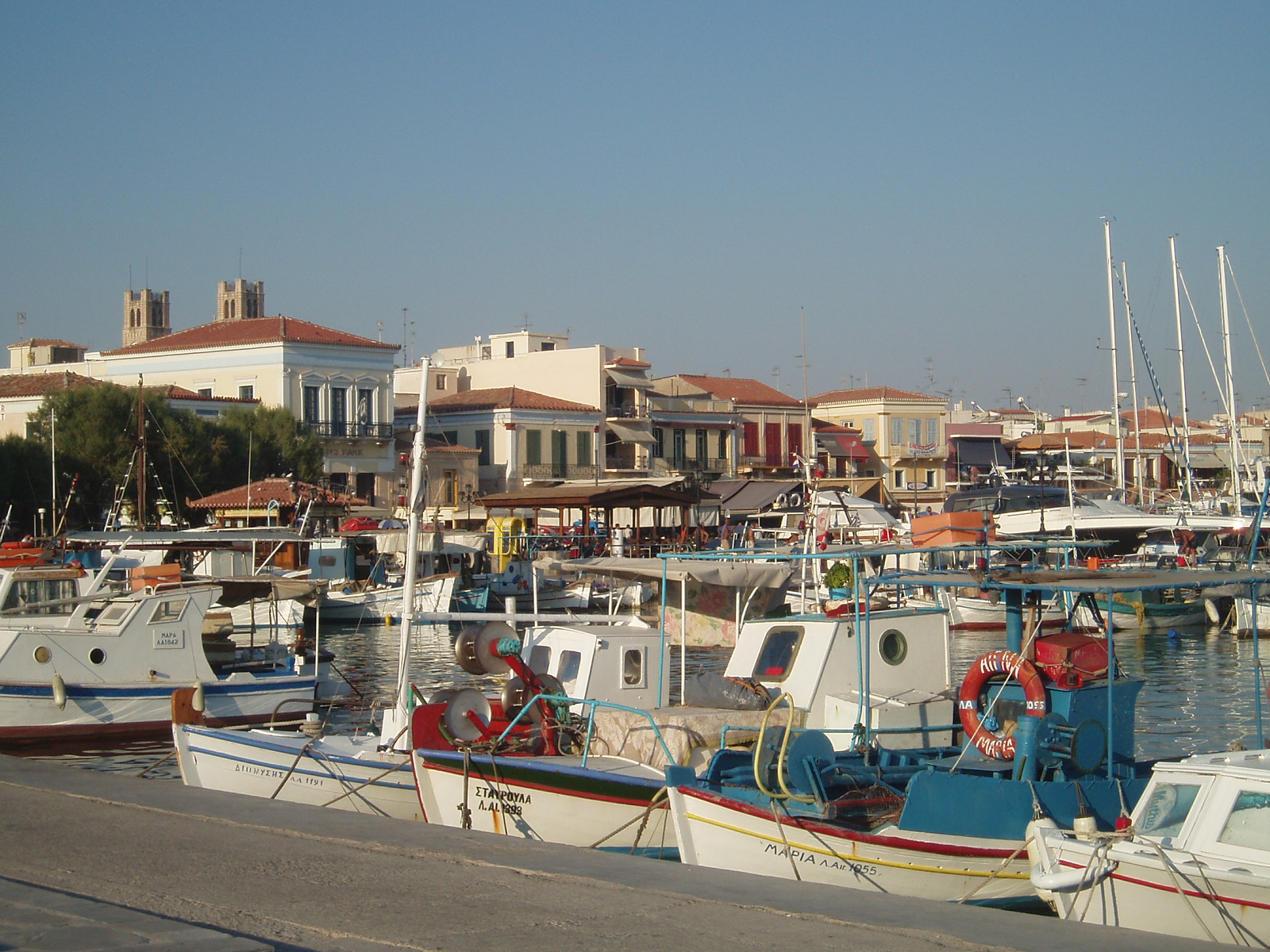
many boats in the harbor
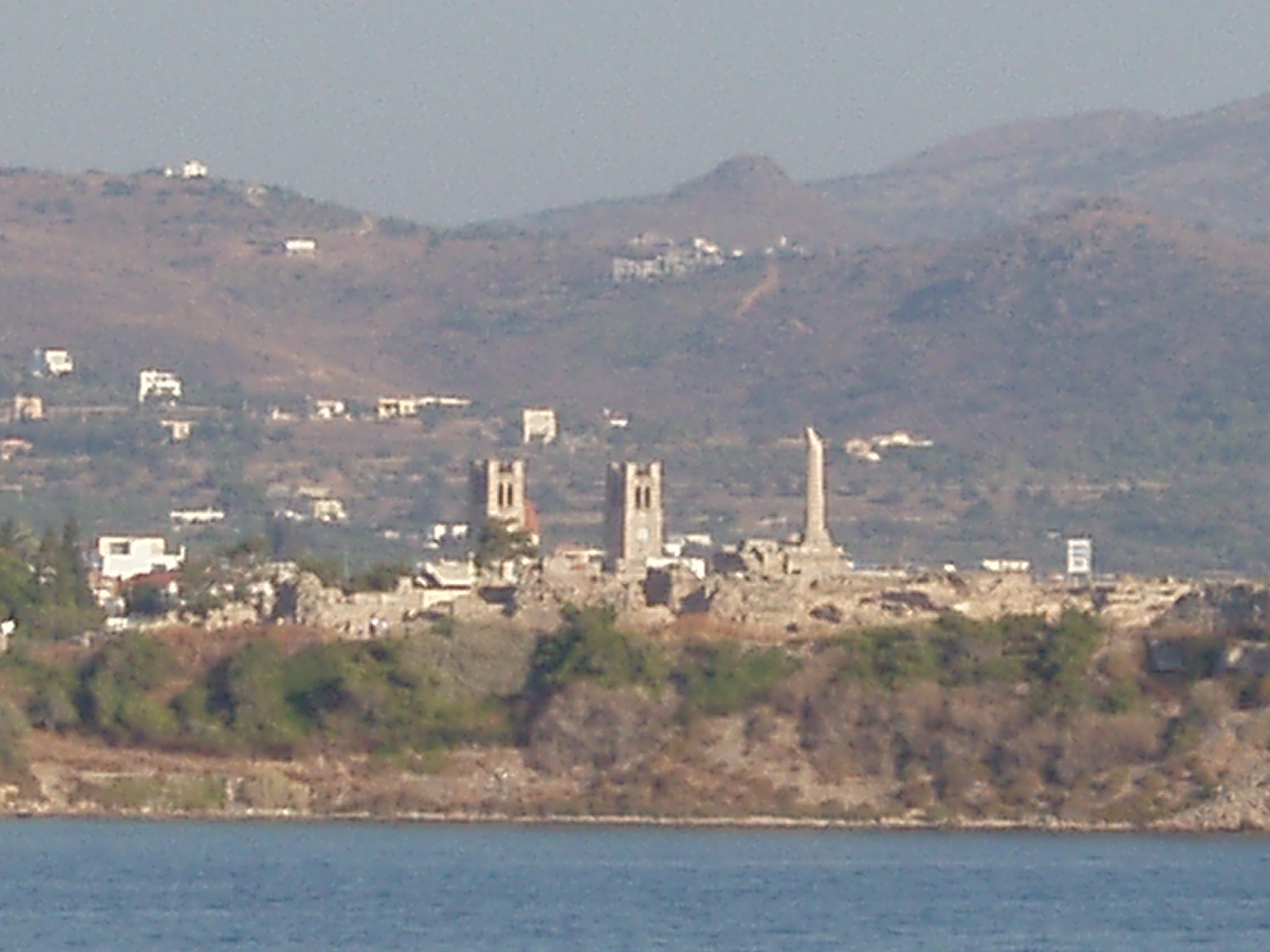
Temple of Apollo
As for accomodations, H. got approached by a nice elderly tout, who retired from making a living as a fisherman. Spent the night in a domatia (basic room w/bath in a local's home) for 30 Euros.
Poros Town, Poros
Wasn't planning to stop here actually. But the ferry had some mechanical problems and dropped us off in Poros Town for a few hours. Everyone got upgraded to a hydrofoil. In the meantime, wandered around this cute little harbor town. Tasty gelato/ice cream in a large variety of flavors can be enjoyed here.
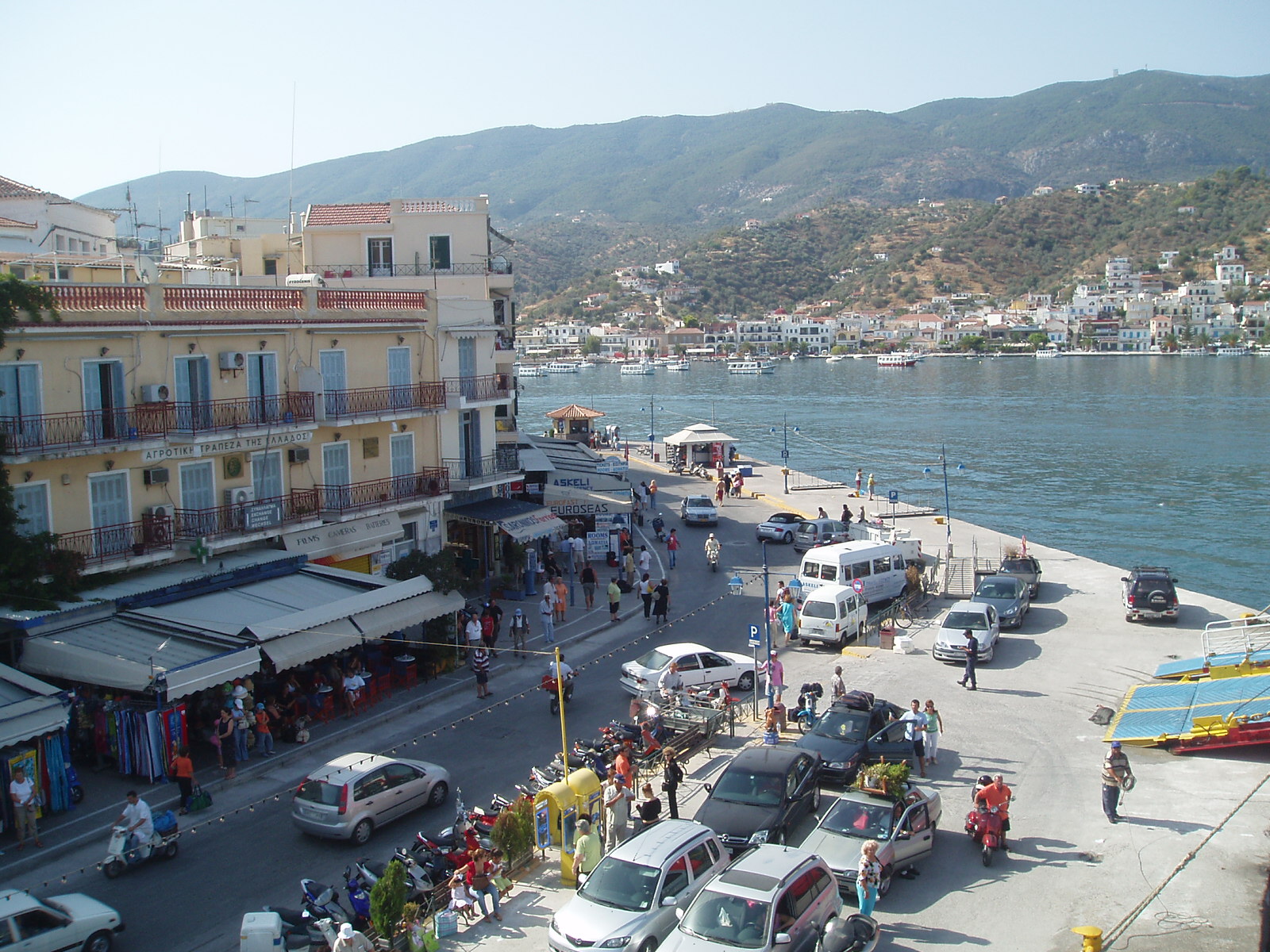
main street in Poros Town - across the channel is the seaside town of Galata
Hydra Town, Hydra
Loved Hydra. No cumbersome cars, no loud mopeds, no transportation noise! The main mode of transportation besides your feet are donkeys and mules. Enjoyed wandering around the narrow cobblestone streets in medium-sized Hydra Town. The town is full of little surprises. Just beyond the town, left of the harborfront, can go for a dip in clear blue waters that are actually filled with sealife (in comparison, the Turkish coast didn't seem to have much). Went for my first and last refreshing swim in Greek waters in the hot afternoon. Another funny little surprise - had a pleasant dinner at a very fresh seafood restaurant (Ostria Restaurant) ran by a Grecian Antonio Banderas chef and his Grecian Melanie Griffith wife.
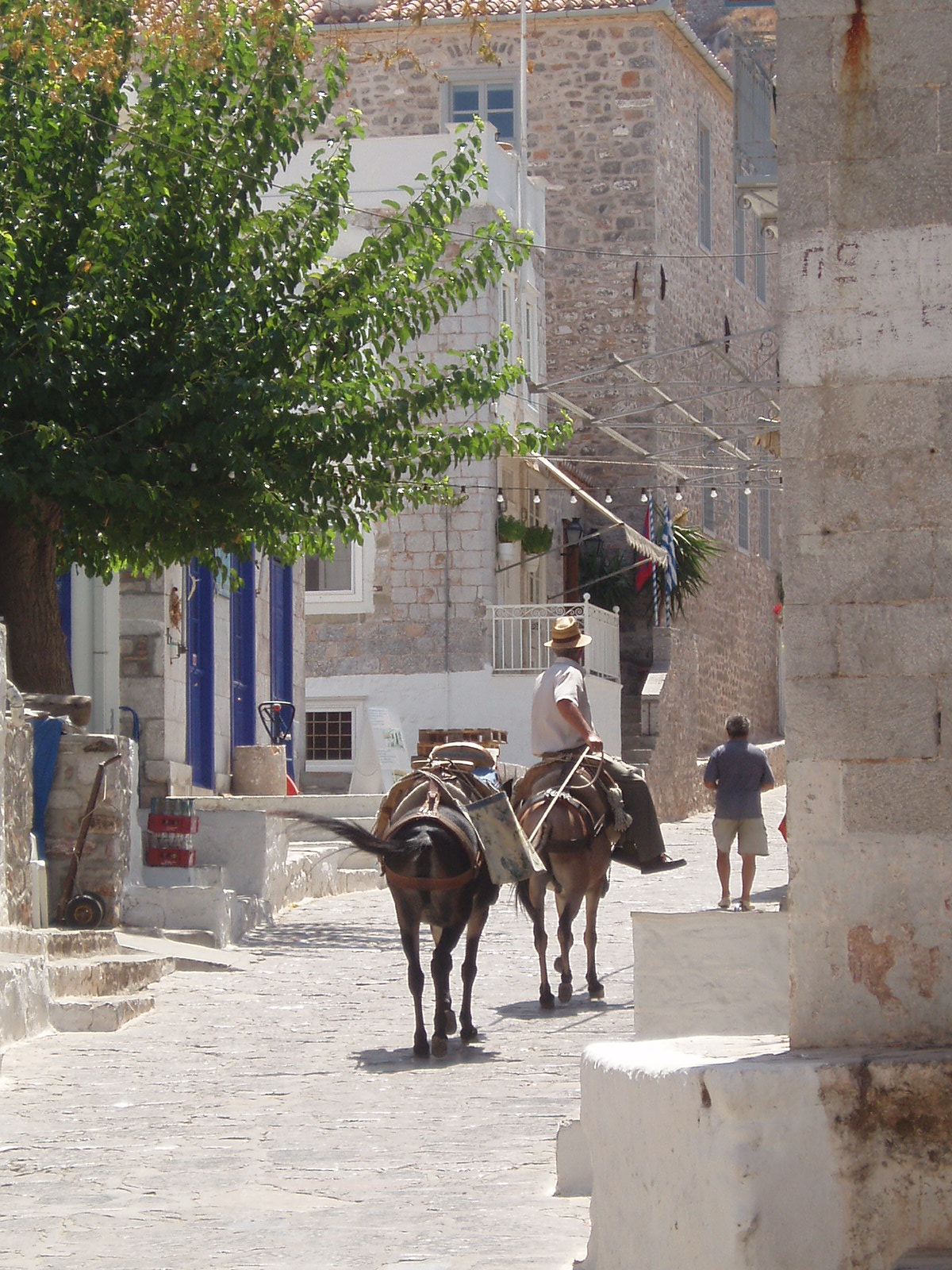
an old man with his donkeys going up a narrow cobblestone street in Hydra Town
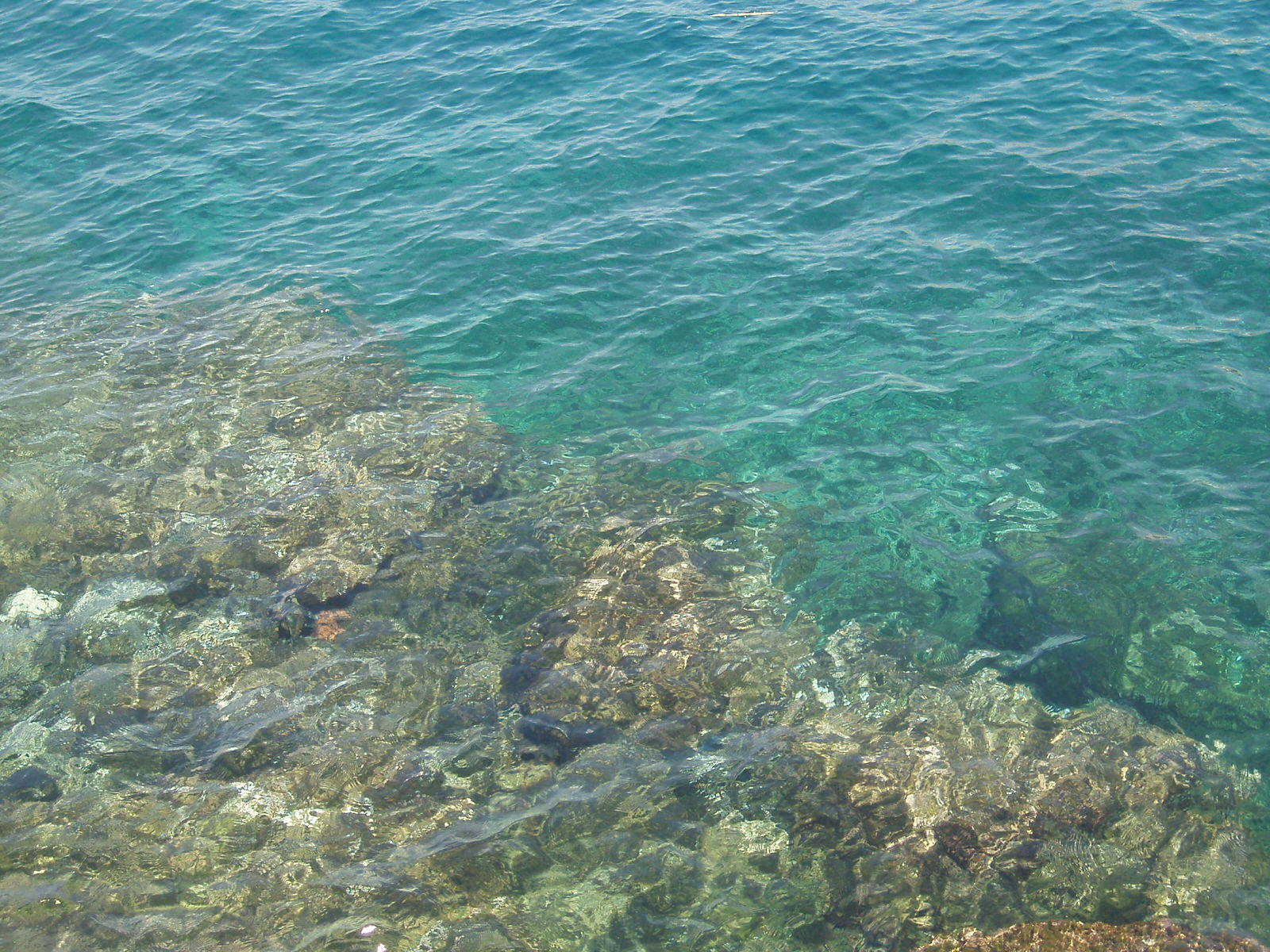
crystal-clear blue water with rock reefs covered and surrounded by sealife
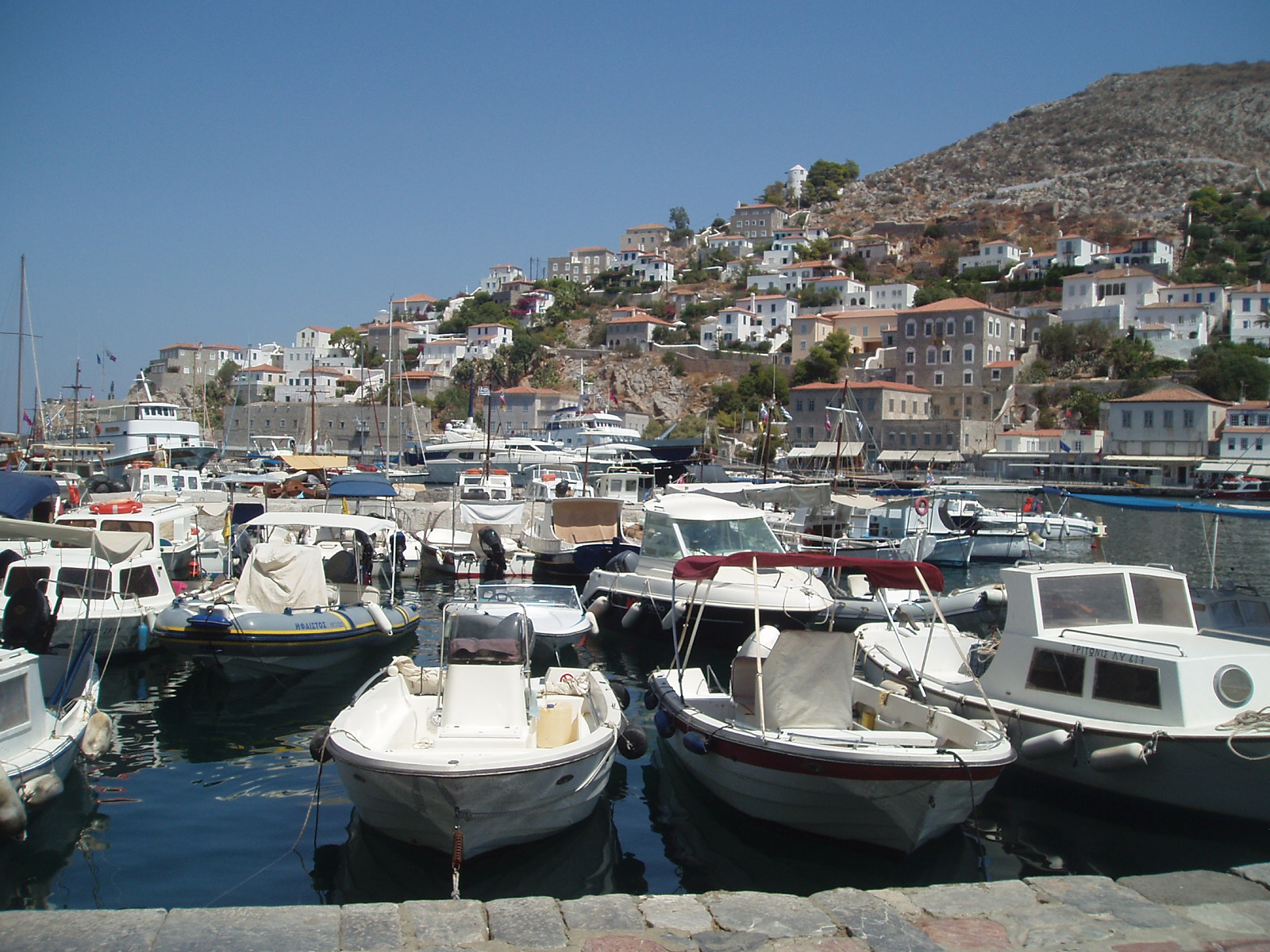
views of the harbor and town
H., approached by a tout again, planted us in a cute pension hidden on a small cobblestone street close to the small ferry port. 40 Euros/night.
August 25, 2006
Landed at the base of Mt. Olympus in the little town of Litohoro. People have trekked this 2917m mountain in a couple of days. Just came for the view. Looking at the Home of the Gods was pretty breathtaking enough.
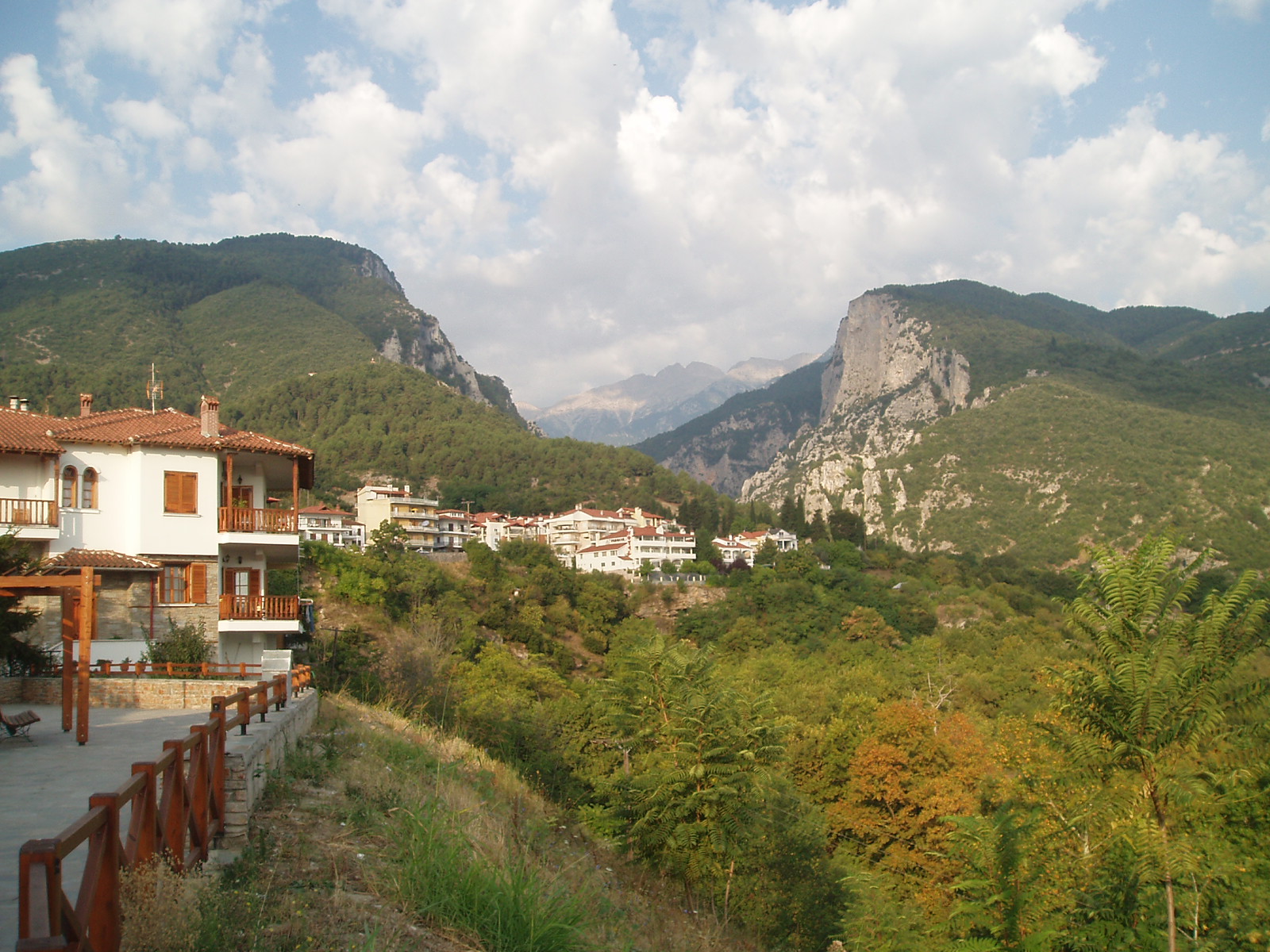
Mt. Olympus in the early morning
August 24, 2006
Thessaloniki, one word: delicious.
Of all the places I've been in Greece so far, I'd have to say that Thessaloniki serves up the best Greek cuisine. The second largest city in Greece is known as a foodie's migration center (yes, that means you Joan!). Ouzerias, which dot the city all over the place, serve delectable, often seafood-oriented mezedes (small dishes - kind of like Spanish tapas or Chinese dim sum). Originally, ouzerias started out from the seaport town of Volos, where each one would try to outdo each other in terms of quality, quantity, and taste. Many seamen would frequent these seaside restaurants. They have become long-time establishments along Greek coastal towns and cities. In Thessaloniki, you can even purchase some absolutely superb tasting mezedes from the local delicatessen or even at the huge outdoor market, Modiano Food Market.
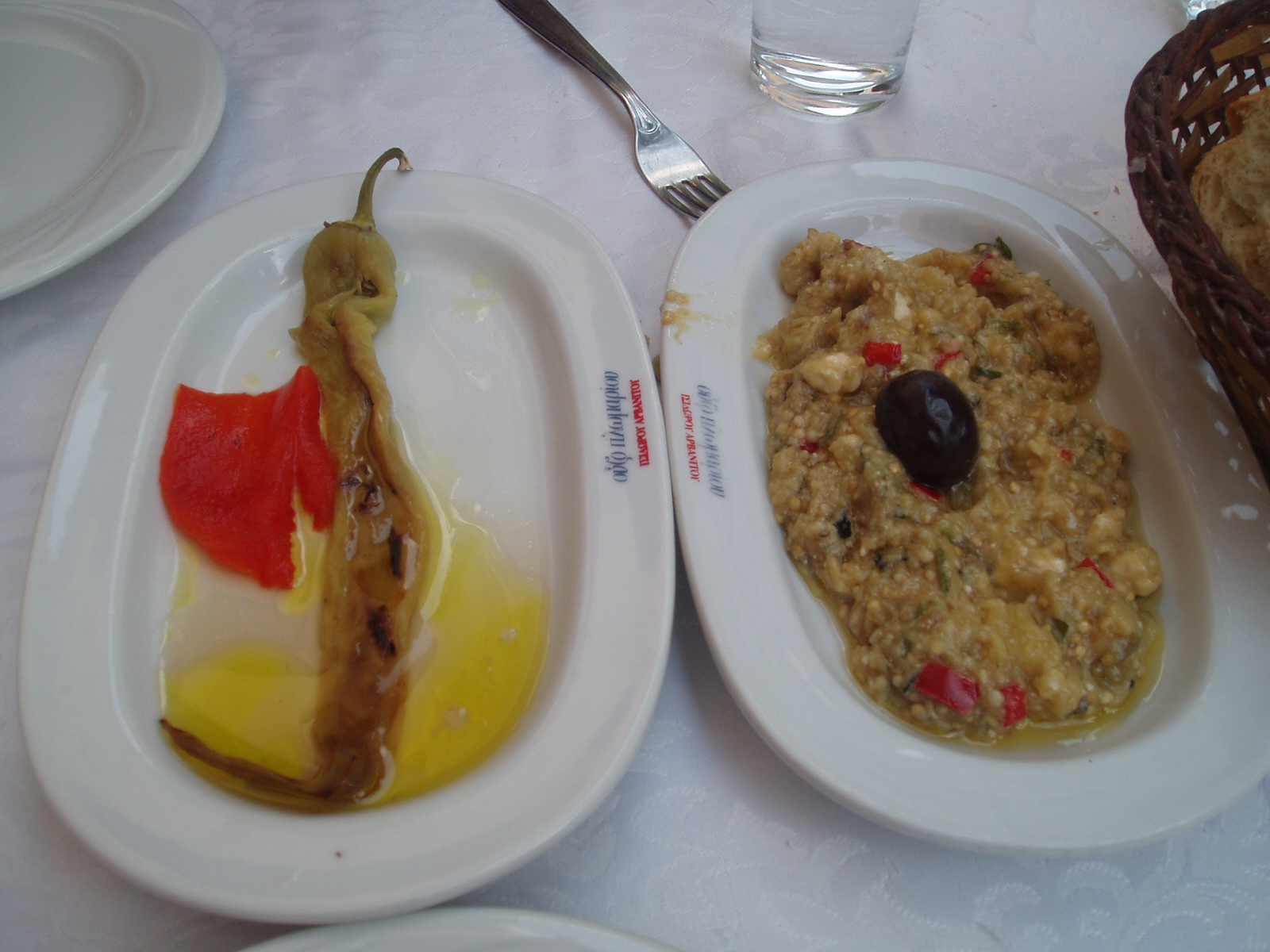
to die for: florina hot pepper, aubergine (eggplant) salad
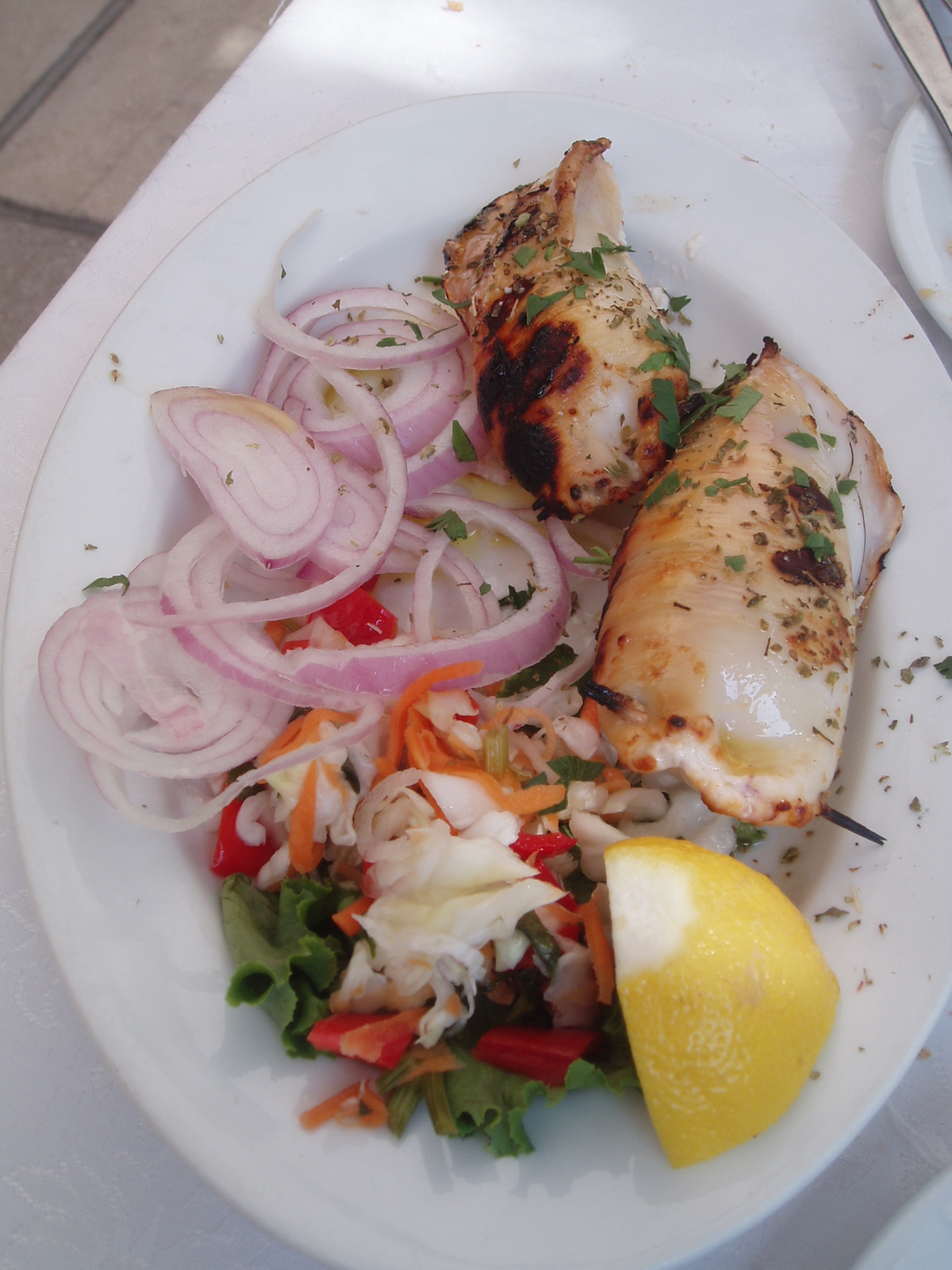
another to die for: grilled calamari stuffed with spicy chopped up green and red peppers and smoked cheese
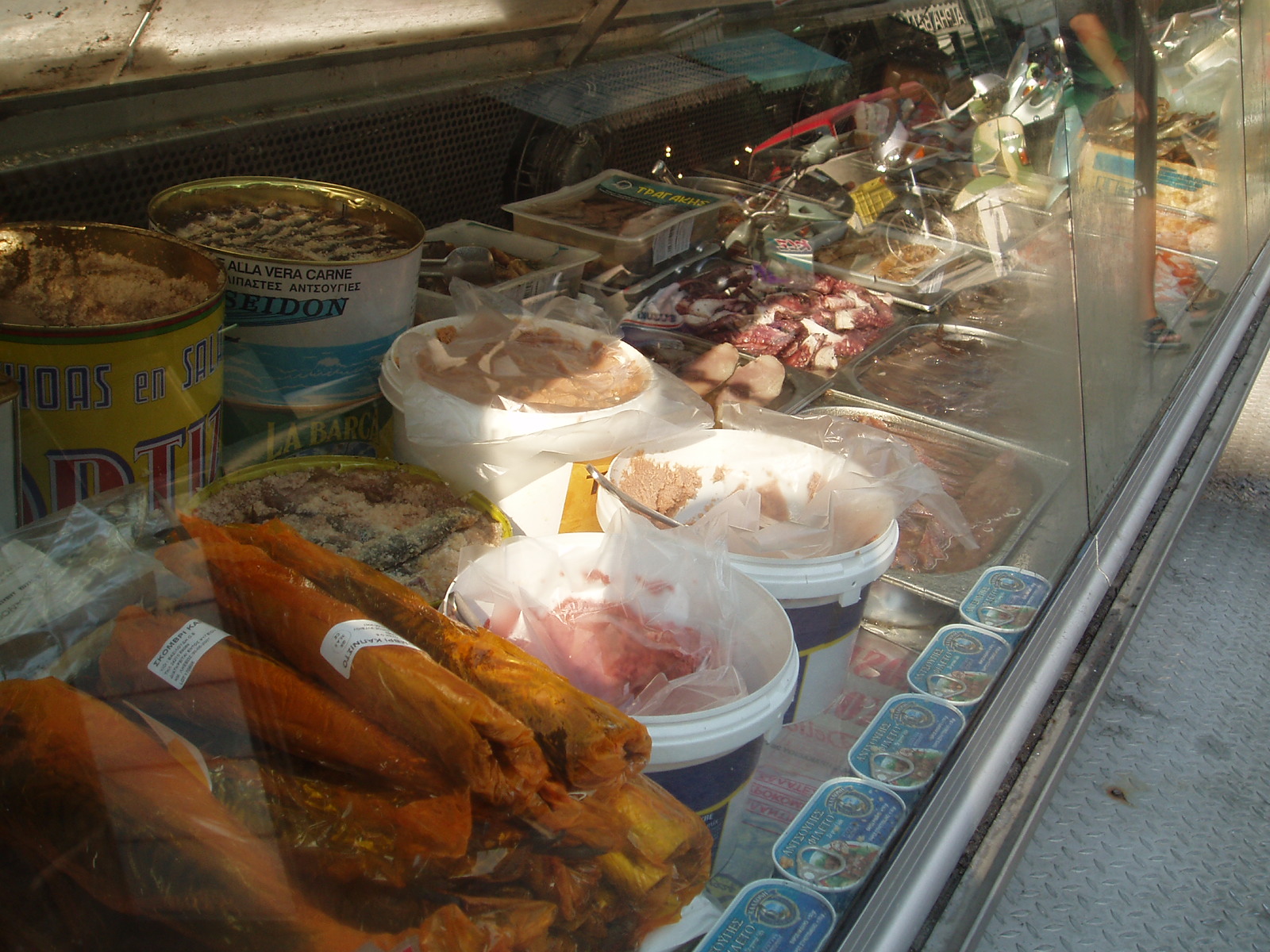
seafood mezedes from a local deli at the Modiano Food Market
Not only does Thessaloniki have wonderful Greek cuisine, but it's an awesome city for daylife and nightlife. Every block has an outdoor cafe - hundreds seem to line plazas and the waterfront. Interested in shopping? The whole city has many boutique shops and large department stores alike. One area of the city, Ladadika, used to be a place where pirates and seamen alike frequented for drinking, prostitutes, and such. Now, it's where the action happens at night - restaurants, cafes, bars, clubs, and even bellydancing shows.
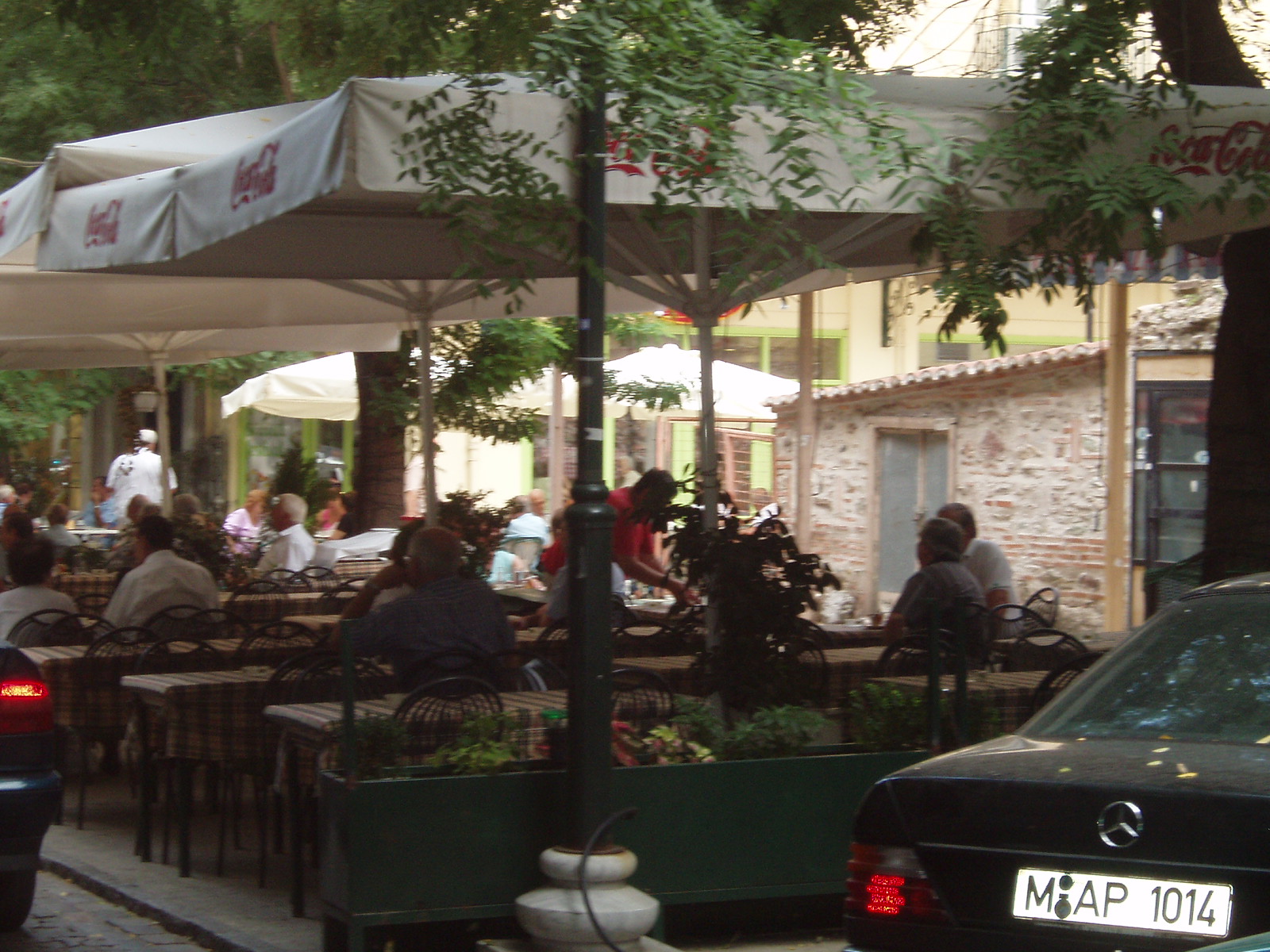
a cafe next to a hamami, Bazaar Bath
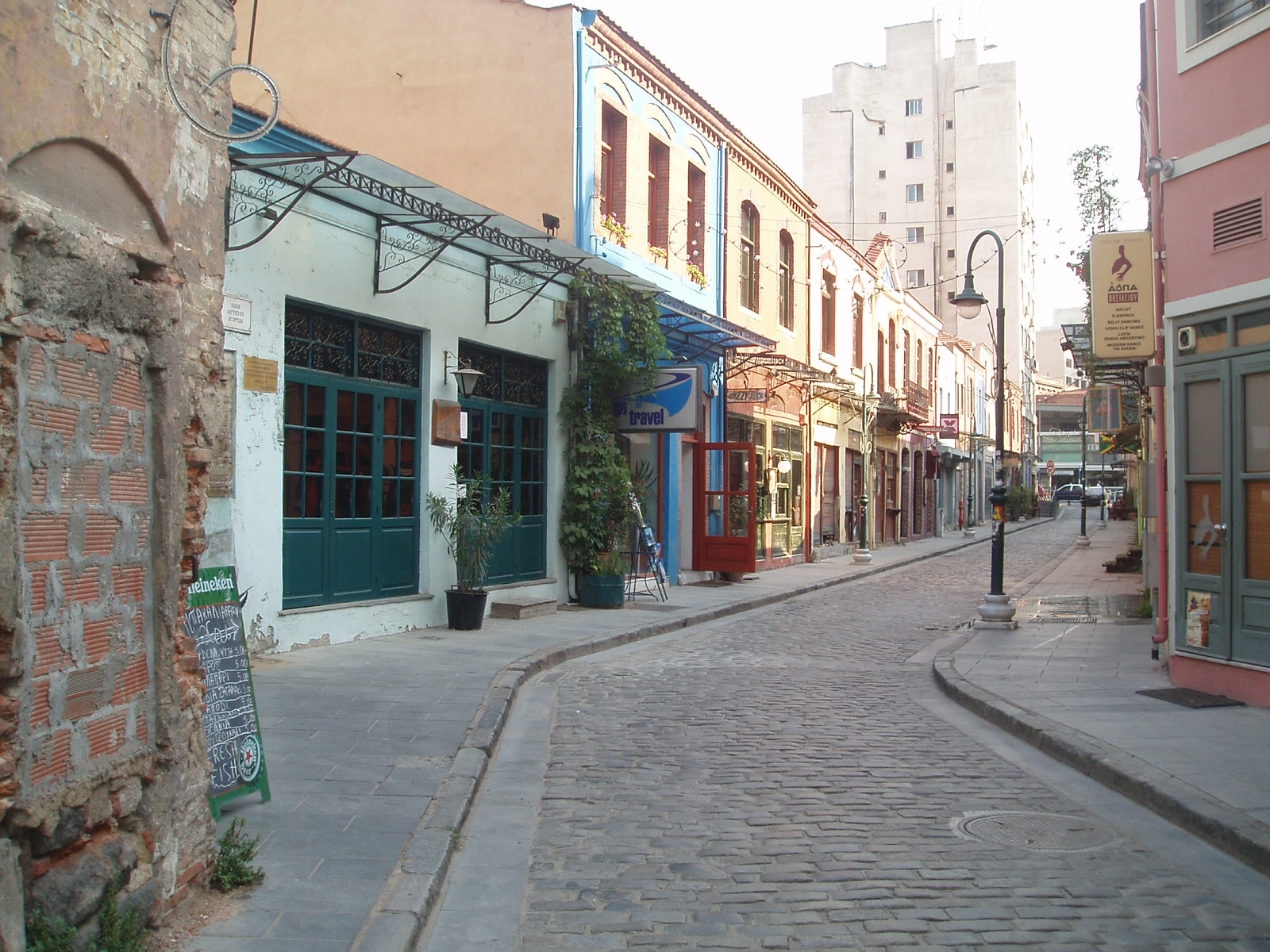
a street in the Ladadika district, early morning
As for historical sites, the city hosts several of them, too. Quite a few non-Greek civilizations have influenced Thessaloniki. Being so close to Turkey, remnants of Turkish and Byzantine influence can be seen. Many Byzantine churches and hamamis (Turkish baths) are located around the city. Thessaloniki has both Jewish and Turkish quarters. Many Jews have migrated to the city in the past. A Roman Agora has been uncovered and is currently under restoration. The most famous landmark, though, probably has to be the White Tower, where prisoners used to be kept.
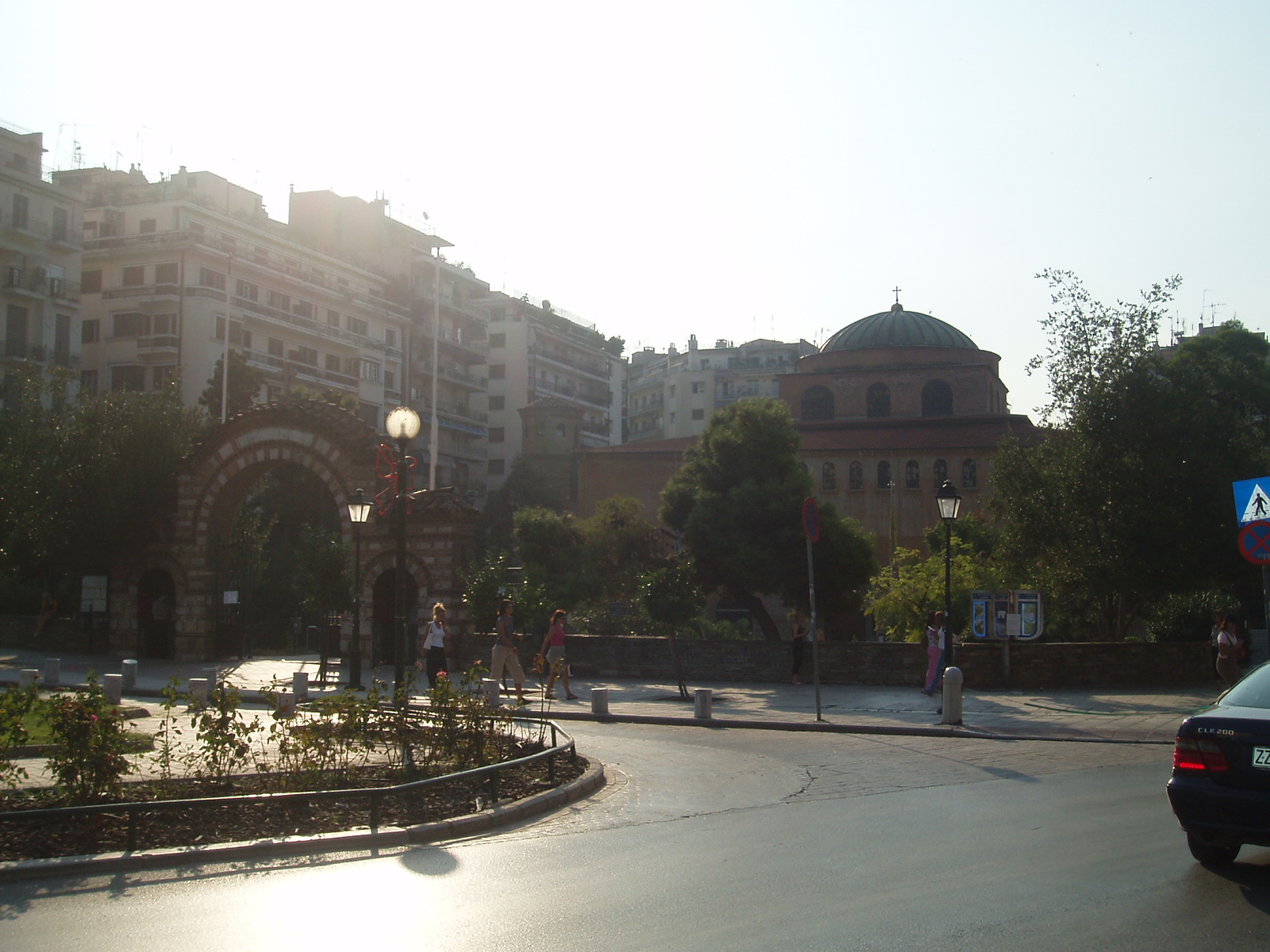
Byzantine church, Aghia Sofia, similar but smaller to the one in Istanbul
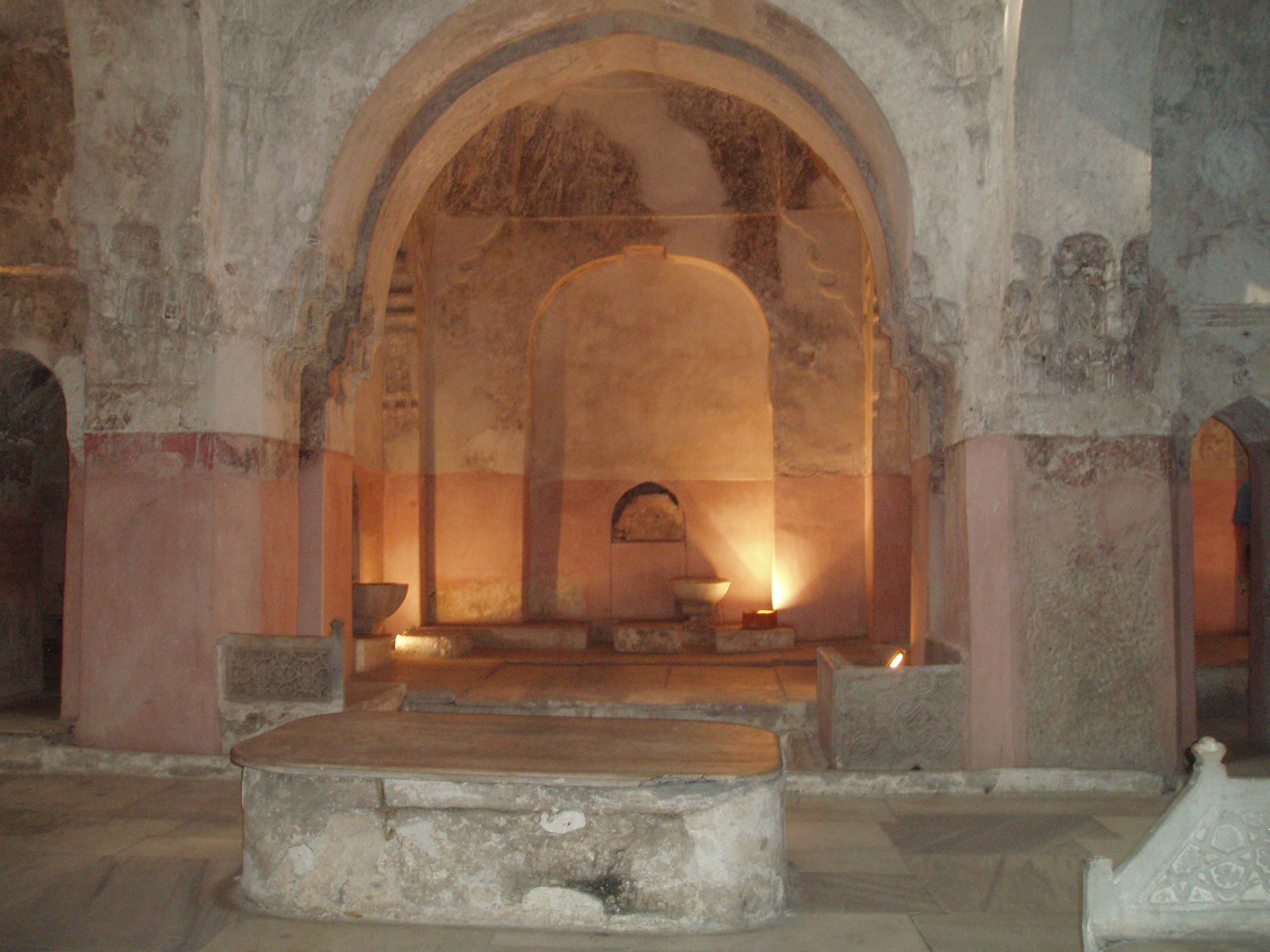
one of the rooms inside the Turkish bath, Bey Hamami Paradeisos (not in use anymore)
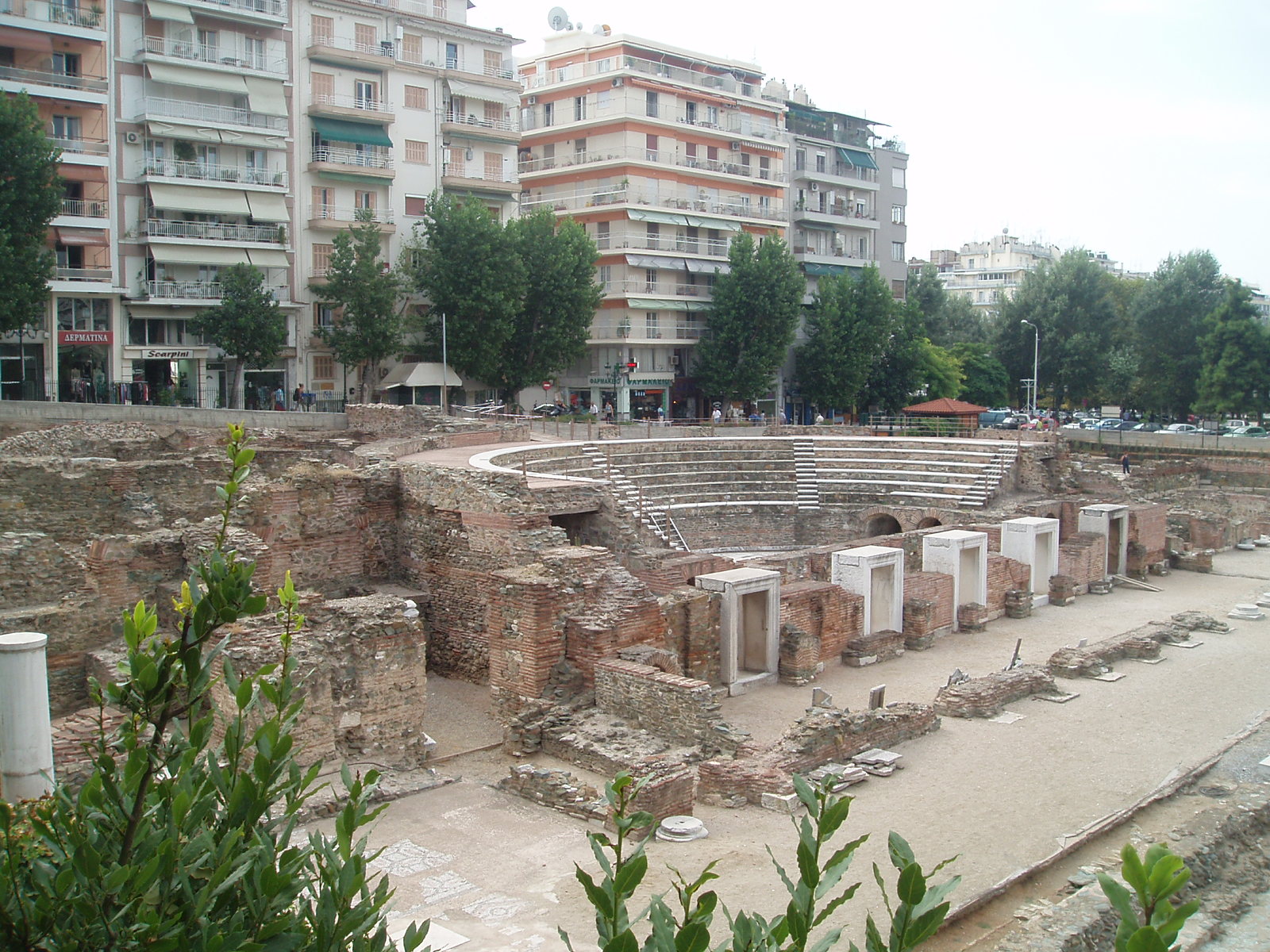
renovated theatre at the Roman Agora
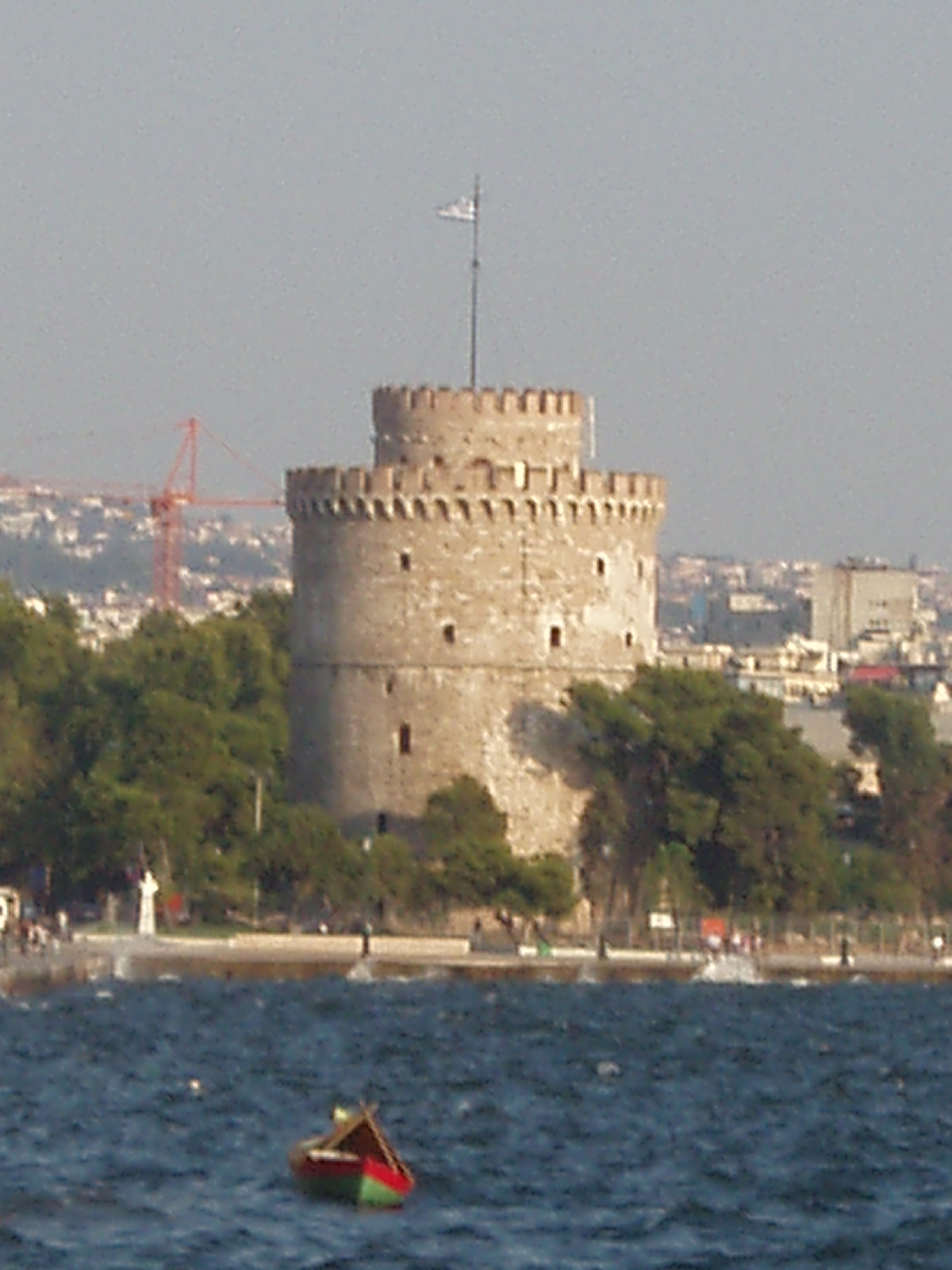
the White Tower (currently being renovated)
August 23, 2006
Ended up back in the Greek Alps in the serene little mountain village of Metsovo. If you want to see another side of Greece, this is definitely a place to stop at - a great place for some R&R and an escape from the summer heat, too.
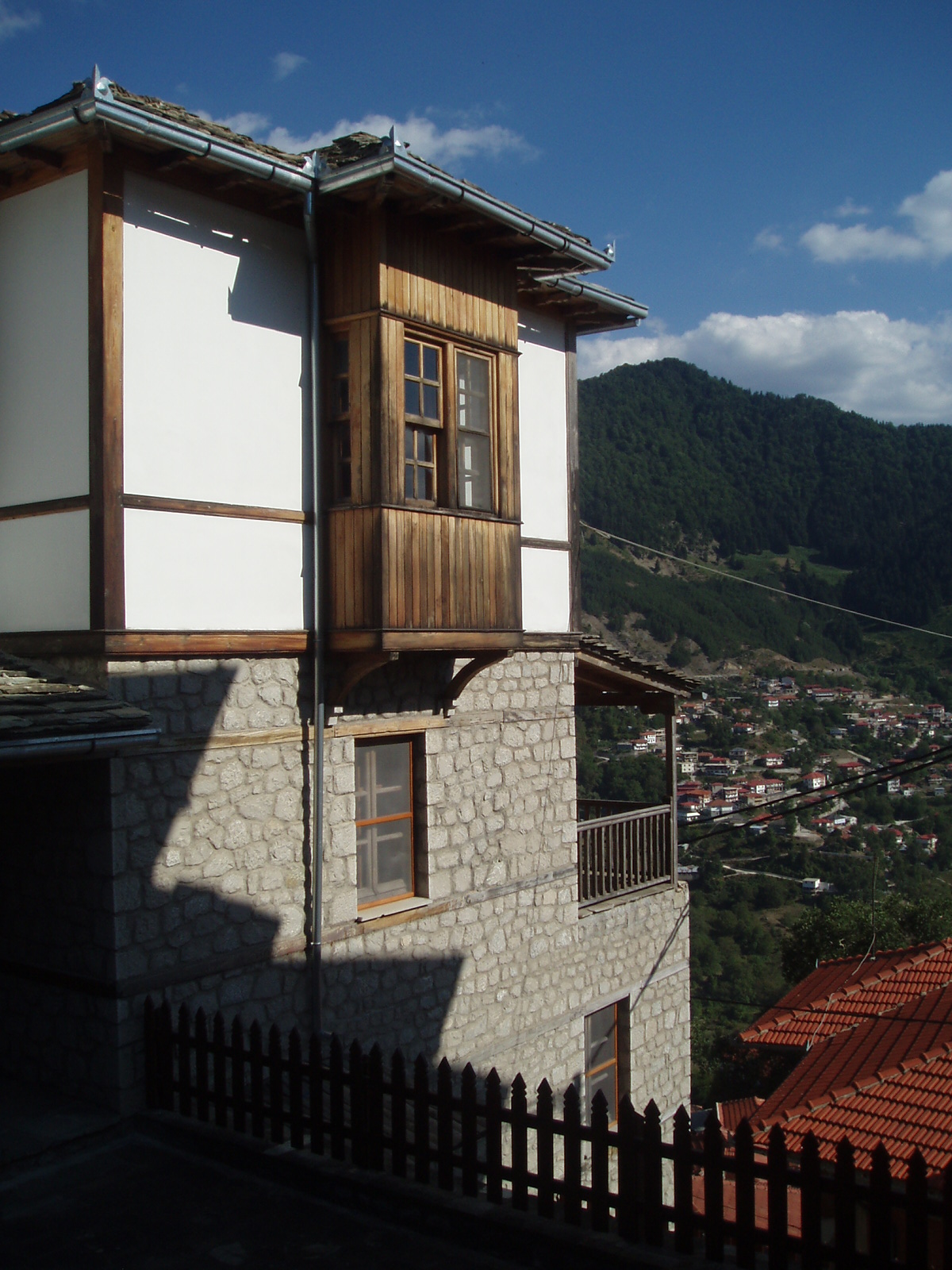
a traditional slate-stone home overlooking the Greek Alps
Found it interesting that even Greece has its own mountain culture and it's different in each region (e.g., Meteora/Kastraki). Metsovo's heritage is from the Vlach shepherds. They used to guard the Katara Pass from enemies for the Greeks awhile back. The Vlach dialect is still widely spoken today. They also make some delicious organic smoked cheese (metsovone) that comes only from that region.
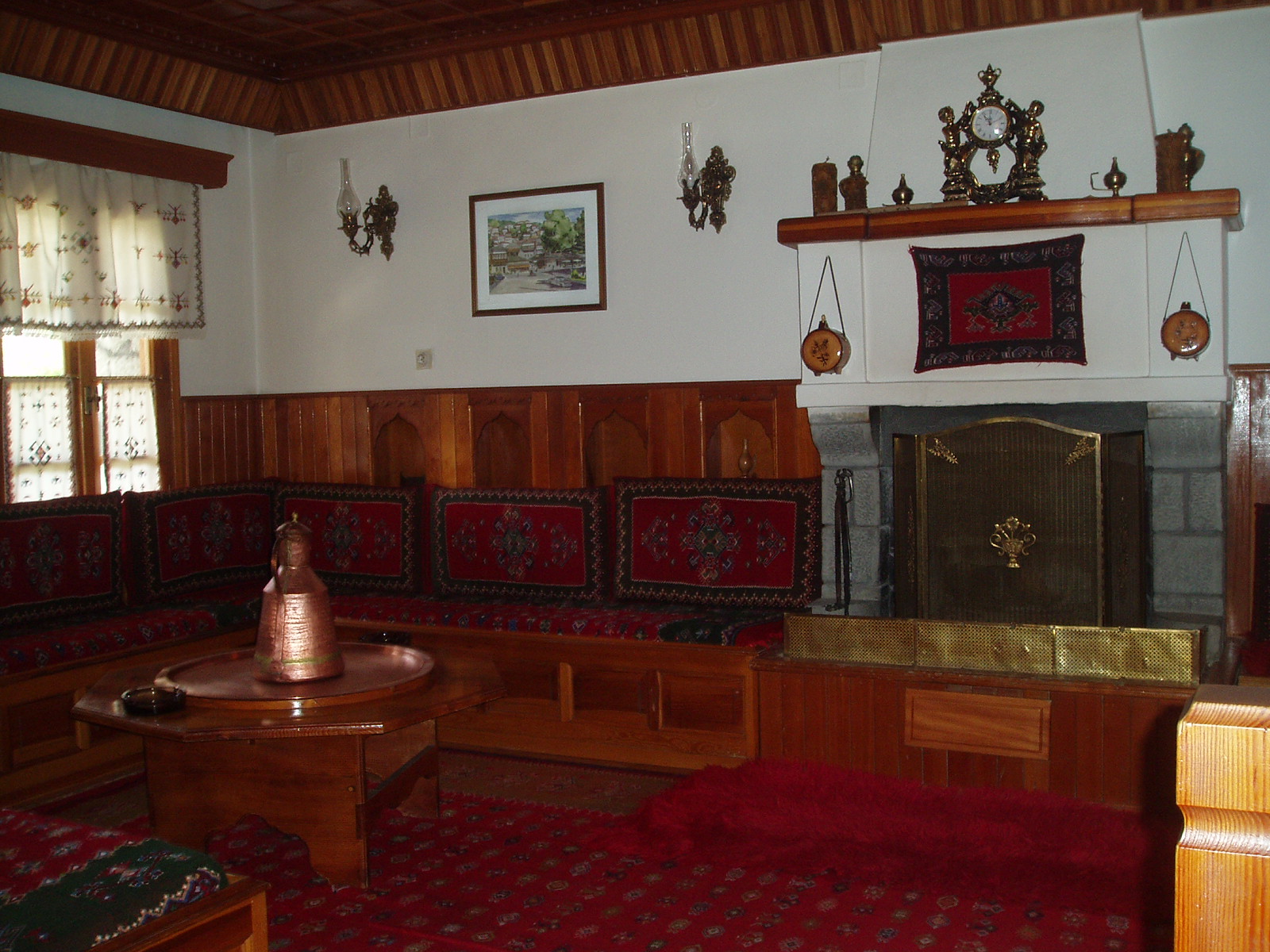
a family hearth with traditional Vlach decor
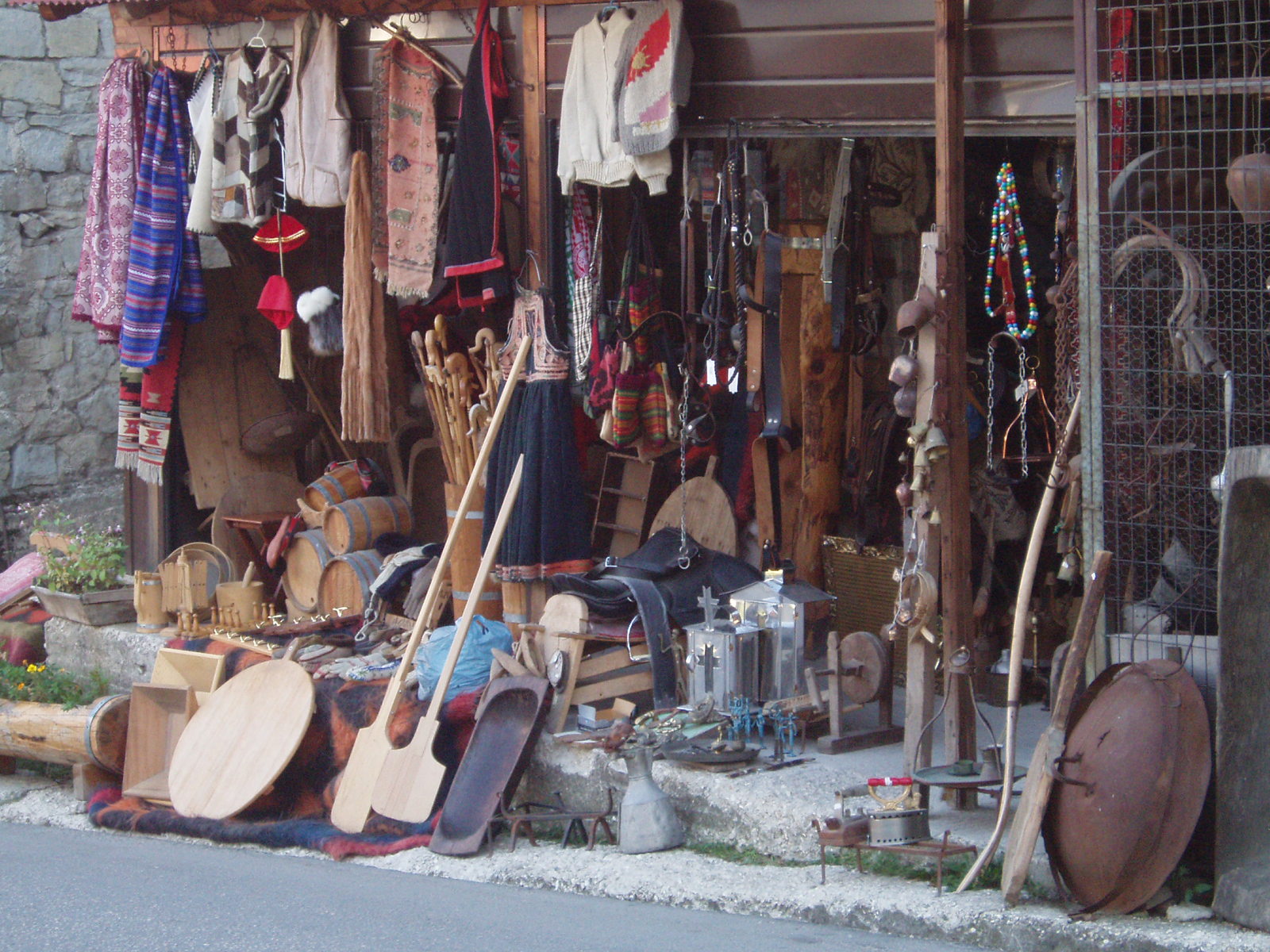
Vlach tools and garb for sale
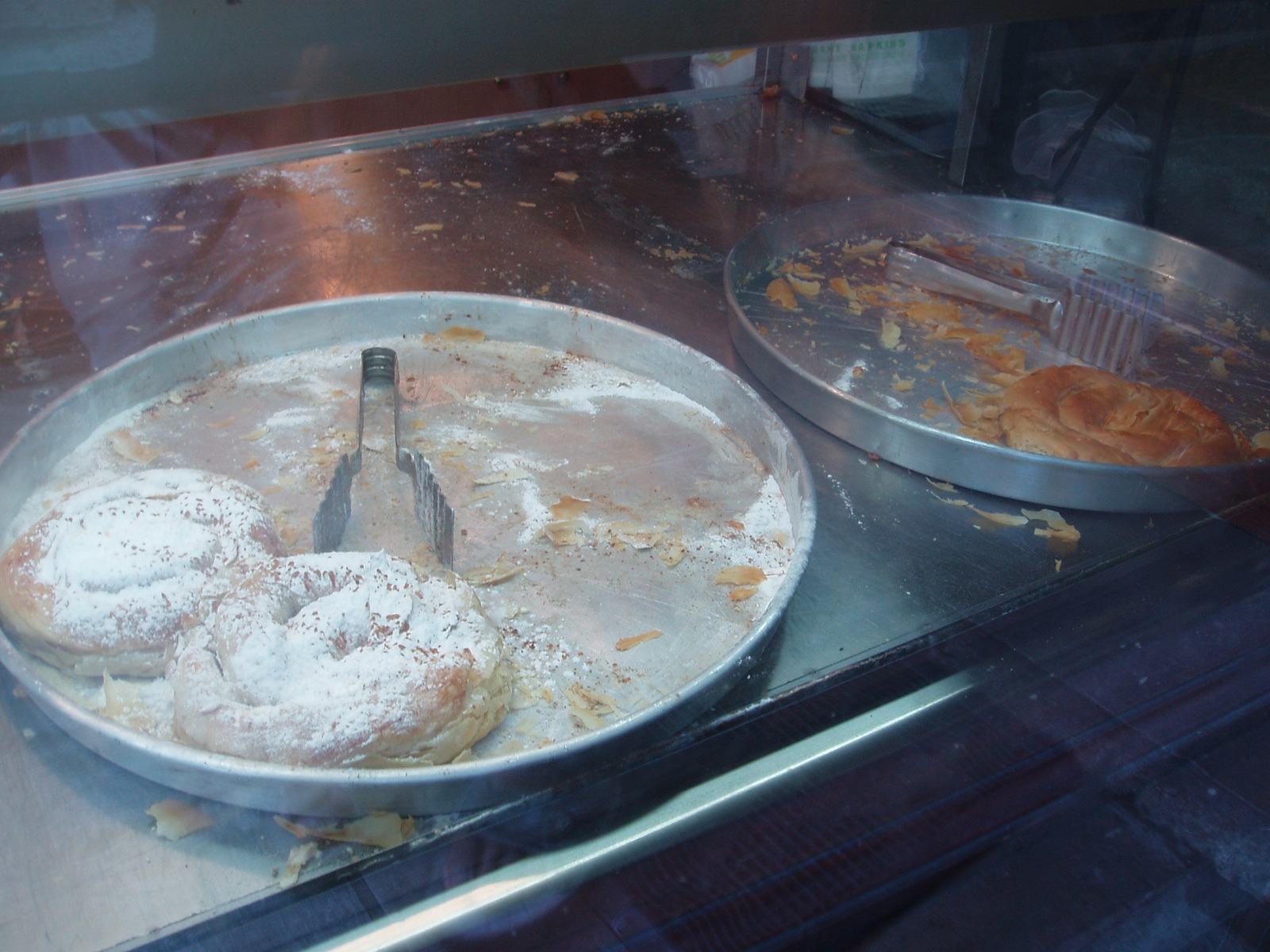
delicious pites (pies, usually stuffed with something delicious), another regional specialty
The Vlach shepherd culture is really quite apparent in Metsovo. For instance, after a dinner of regional specialties, went for a walk and came upon a local celebration at the town church. Seemed like the whole town was there. The townsfolk, especially the older generation, were in traditional dress. Watched the rest of the celebration and wished I had a translator at the moment.
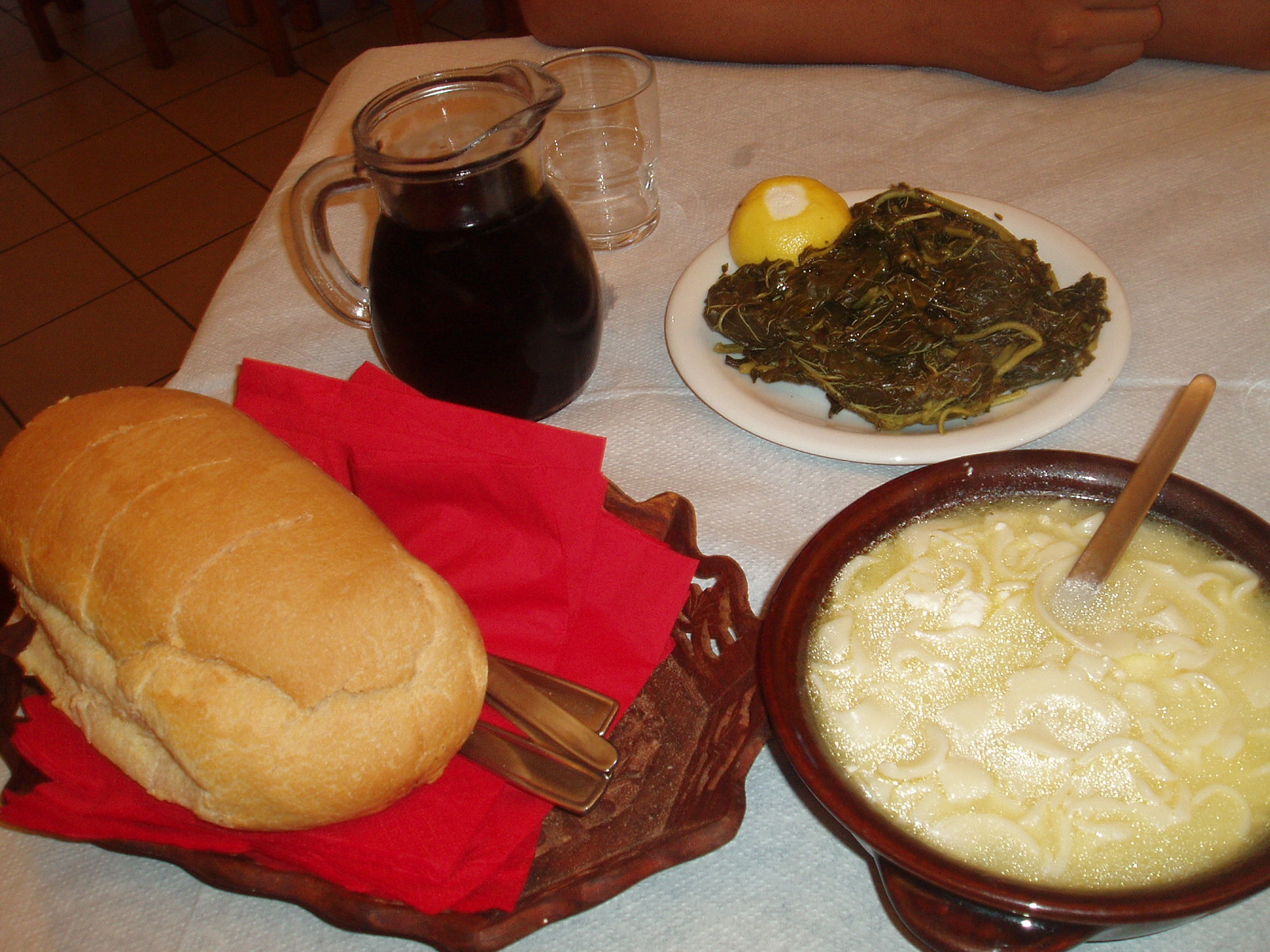
regional specialties: Katoyi red wine, horta (wild mountain greens), feta noodle soup, mountain bread
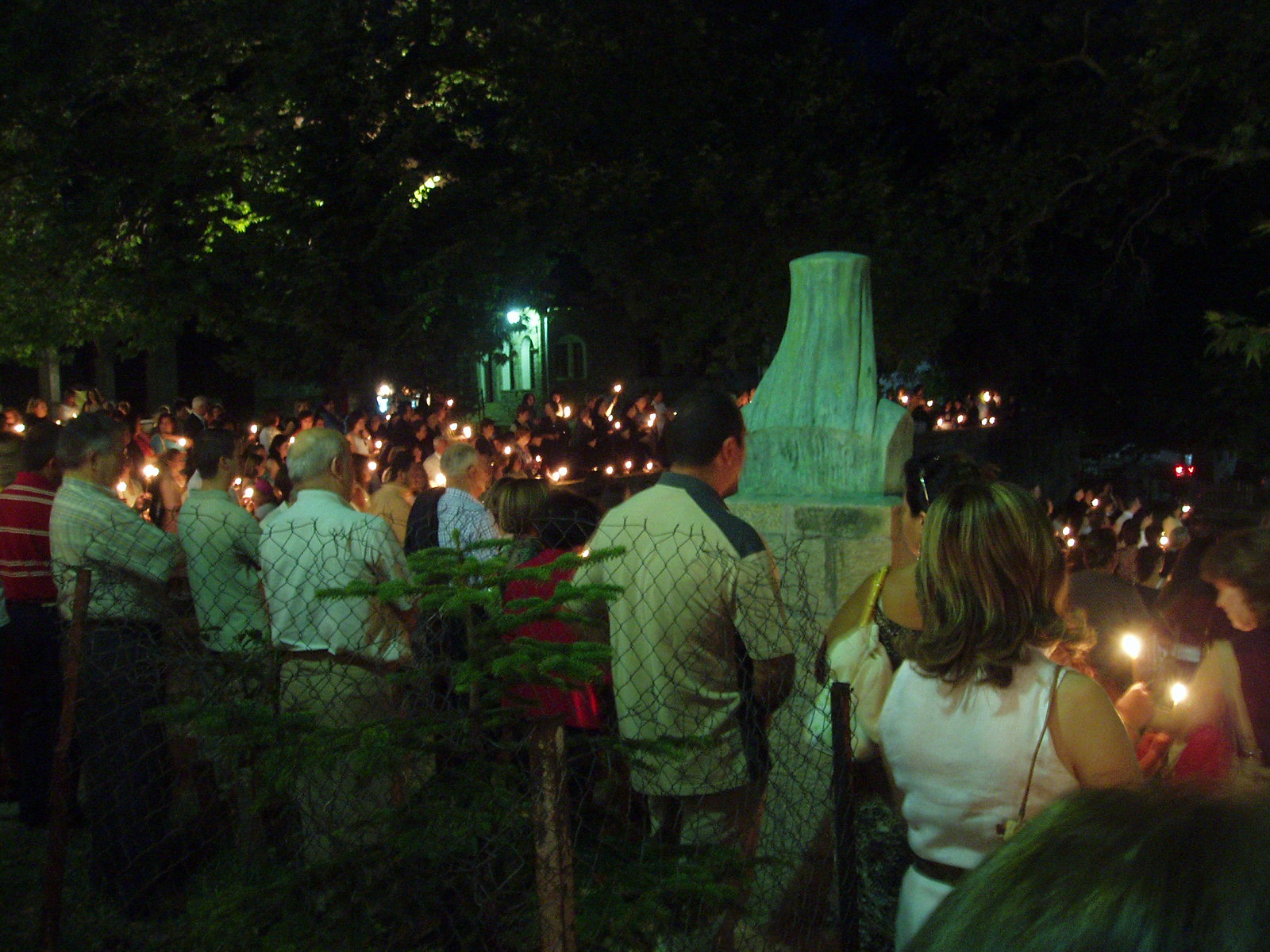
the whole village seemed to be at the town's main church for a local celebration
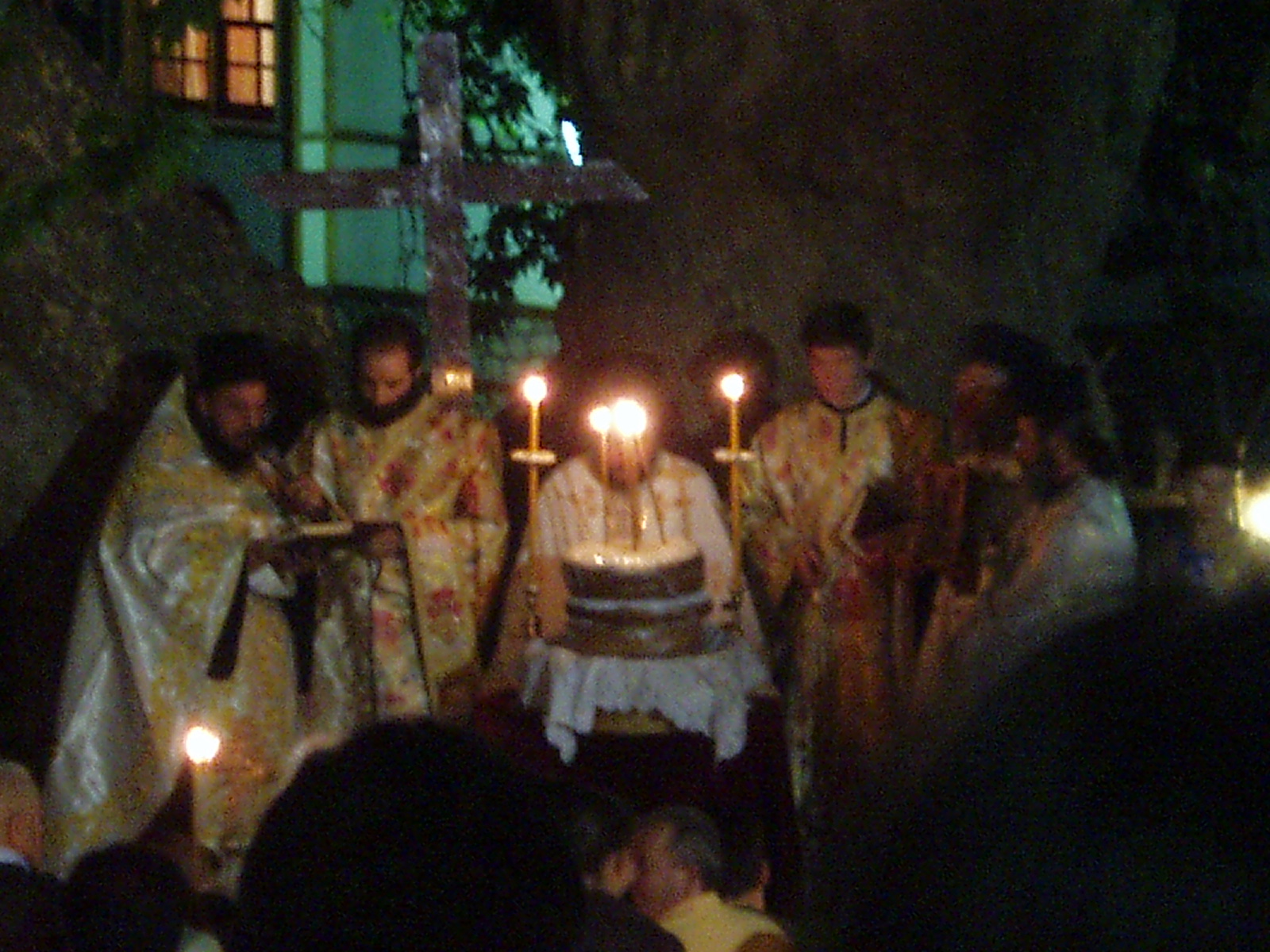
head priests singing and talking around what looked like a brightly-lit big birthday cake
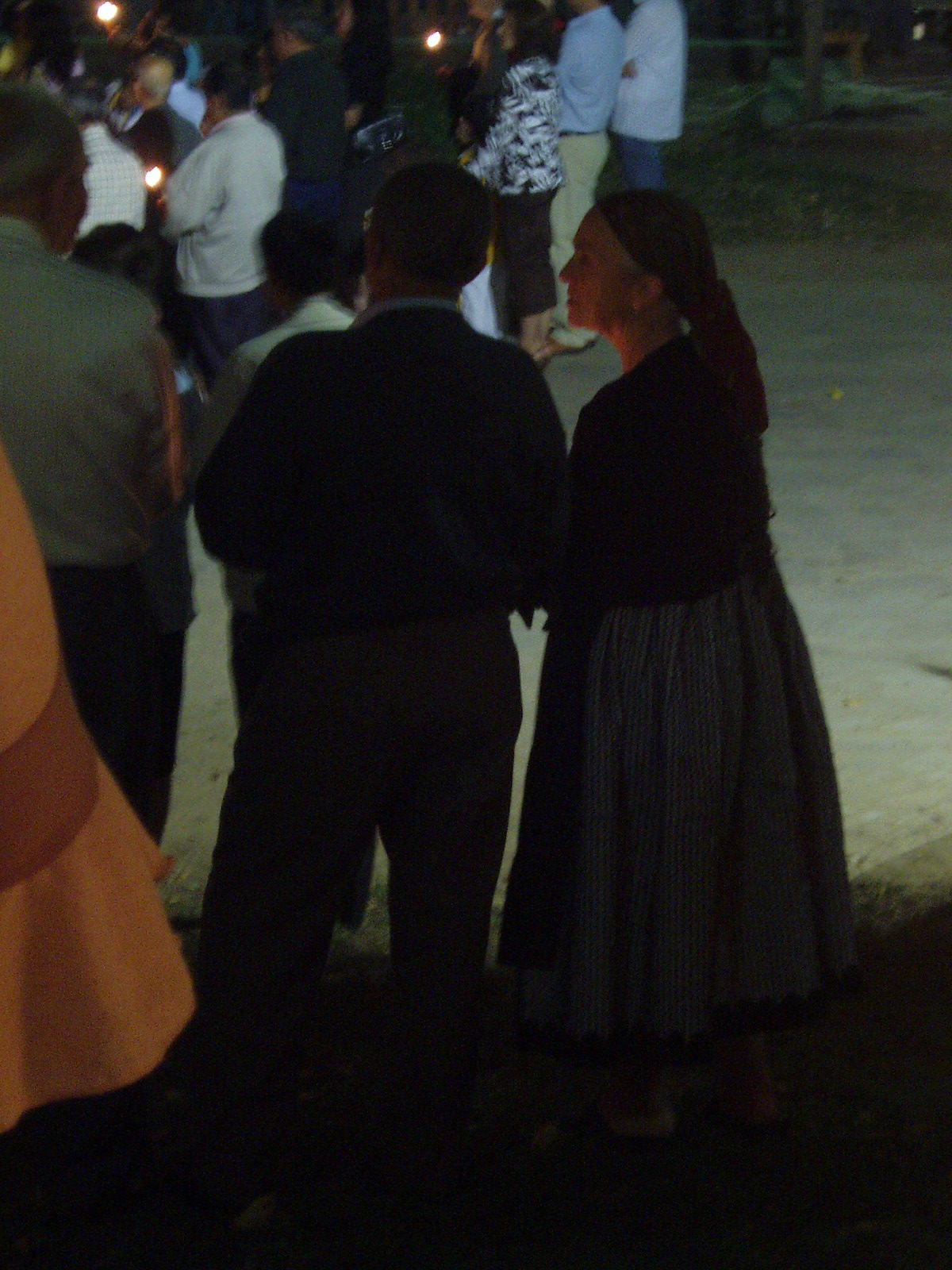
an elderly couple in traditional garb at the celebration
People seem to be incredibly friendly here too. Wherever H. and I went, we were greeted with a 'Yasas' (Hello), 'Kalispera' (Good Afternoon), or even an 'Opa!' Being from America, that took a bit of getting used to (of course, we said 'hi' back!).
Another example: for preparation for next morning's venture out and to see how long it would take, went for a long walk. Went up the long main road out of the village to the bus stop, which is located on the main highway. The uphill walk took a good 40 minutes. The only way to catch a bus in the opposite direction of Ioannina, you have to wait at this bus stop, and then flag down the Thessaloniki-bound bus. Needless to say, wasn't looking forward to this with the heavy backpacks. Turned out, the people at the hotel offered us a free ride to the bus stop the next morning!
August 22, 2006
Made it to Corfu, Odysseus' last stop of his long voyage before he went home! Most of Corfu Town turned out to be really modern until you get to the Old Town part. Cheap accommodation was very hard to come by, since it literally is high season with boiling temps and hordes and hordes of tourists everywhere. Stayed at Hotel Hermes, the only convenient budget place in town for 40 Euros per night (ask for a bedroom with a wooden floor, not carpet). Hotel Hermes was great because it was in a prime location – not too far away from the ferry port or the Old Town.
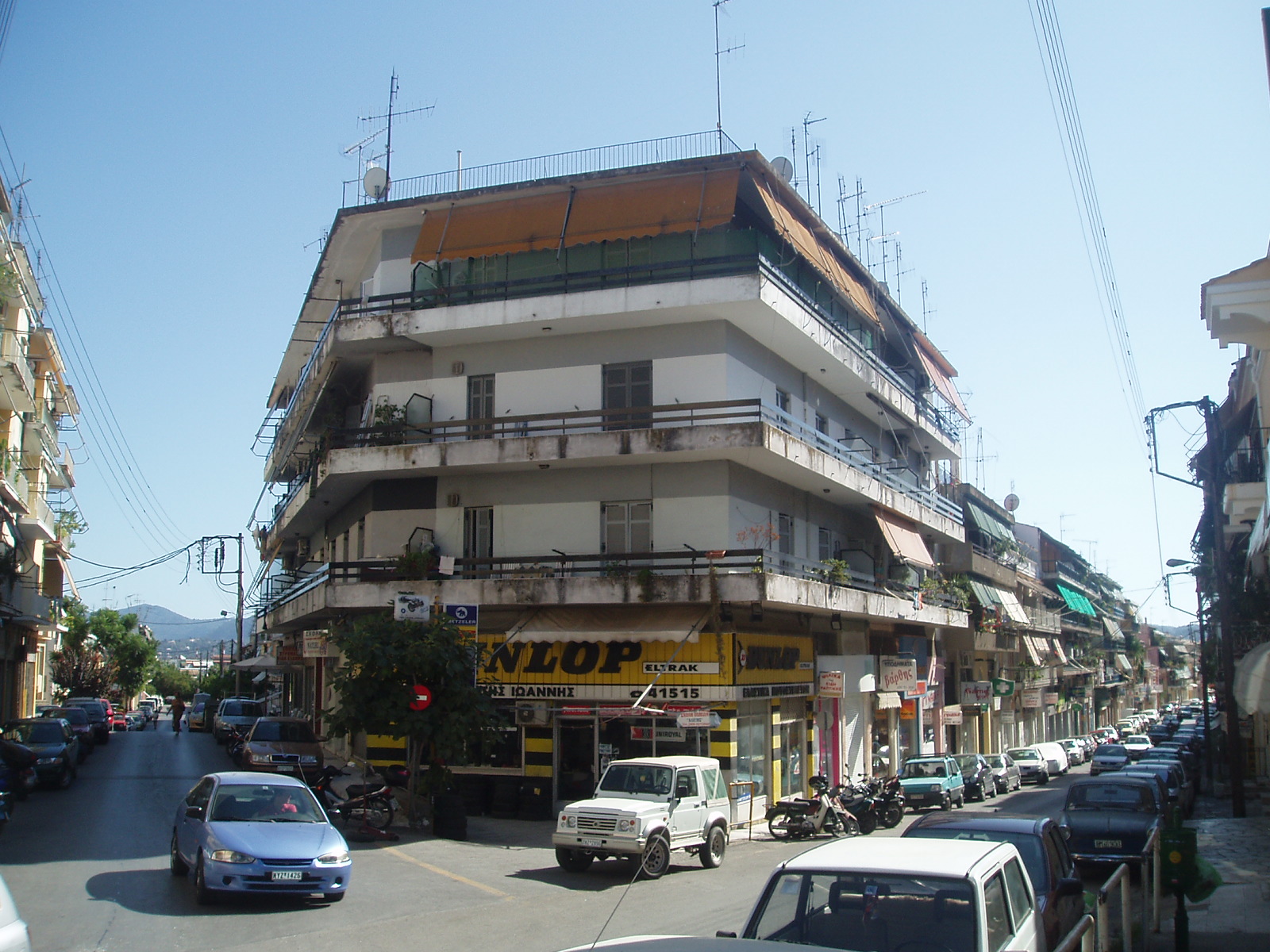
a street scene in new town
After checking in and because it was too hot to relax in the room for a bit, went straight to see Palaio Frourio or the Old Fortress. The Venetian-influenced Palaio Frourio is set upon a hill surrounded by the beautiful, pristine blue waters of the Ionian Sea. Can get some awesome views at the very top. Walked around the Old Town afterwards.
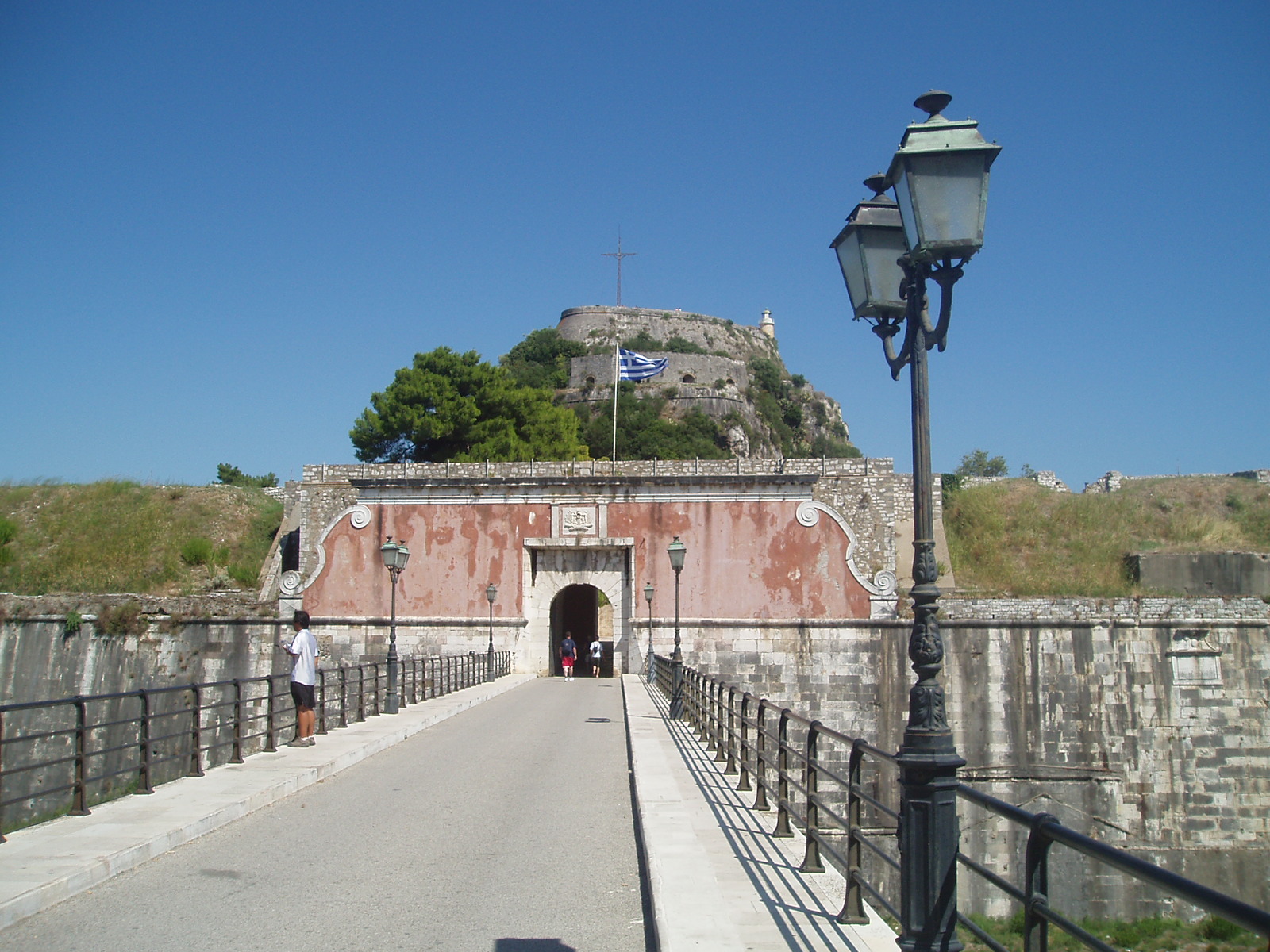
Palaio Frourio
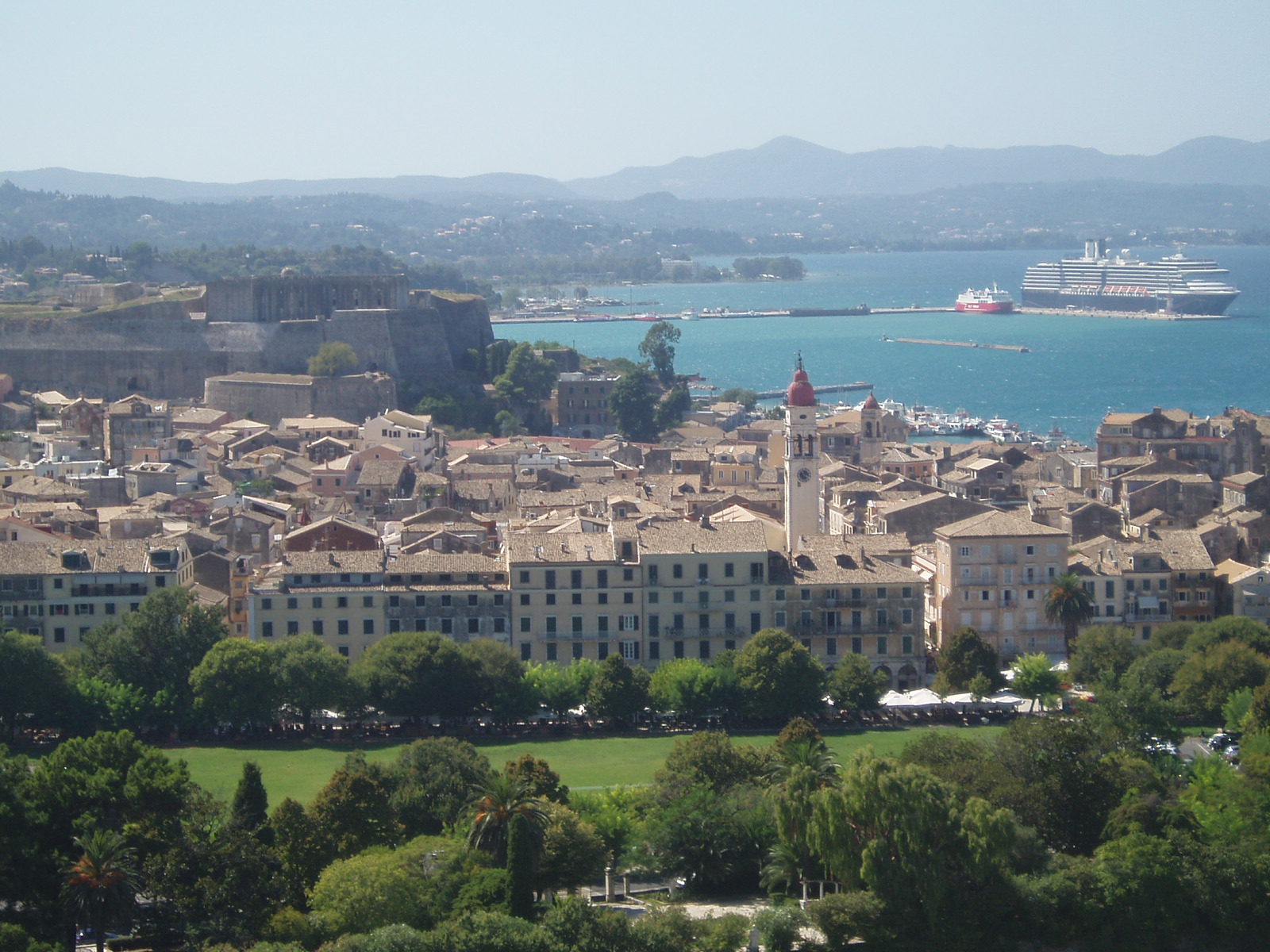
view of Corfu Old Town and the surrounding bay
The Old Town consists of only a few streets lined with some incredible Venetian-style architecture. Not only was it completely jam-packed with people (even during the Grecian siesta), but also with stylish cafes and kitschy souvenir shops. Actually enjoyed walking around there at night. The town really comes alive then.
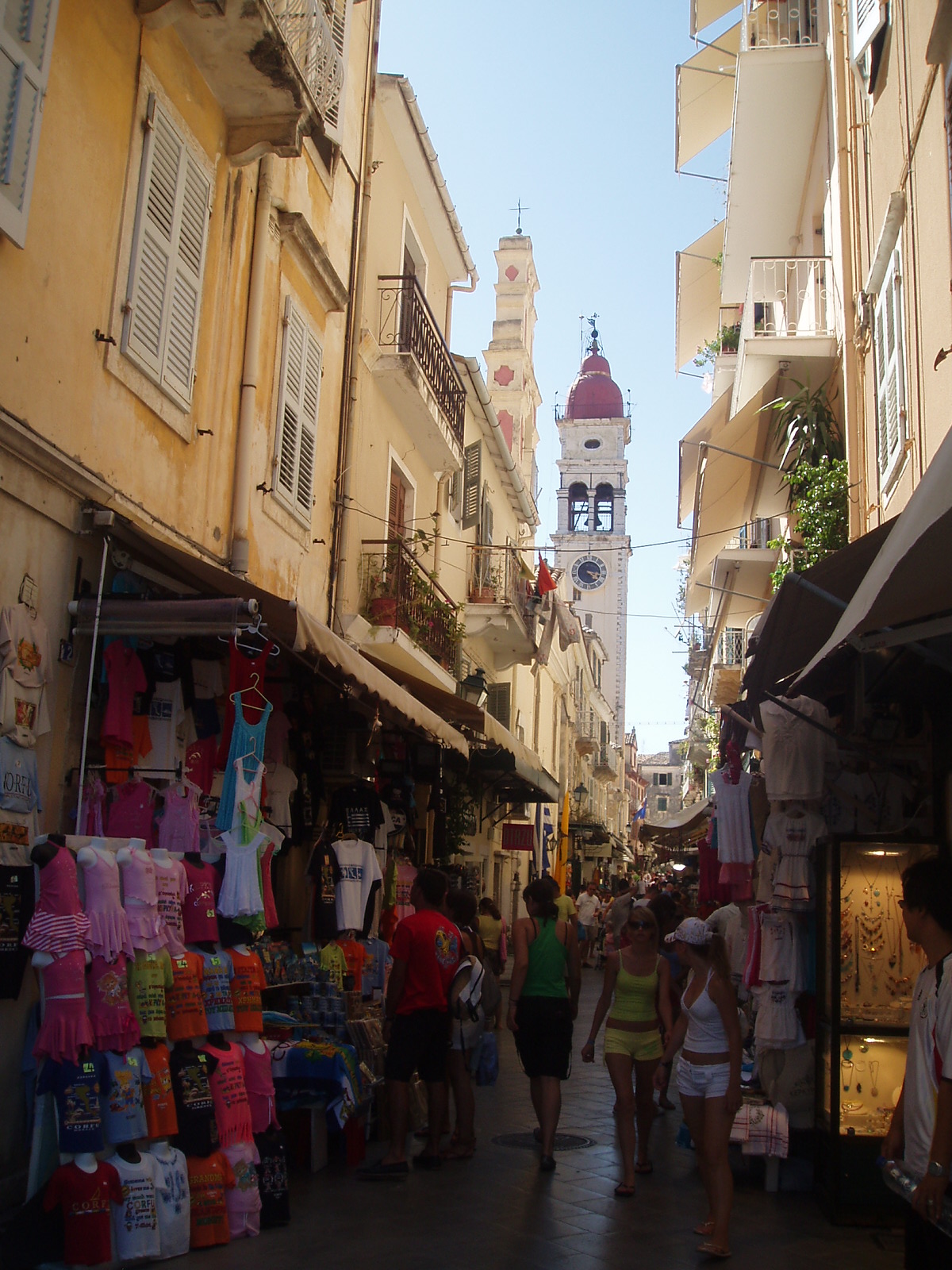
a souvenir street
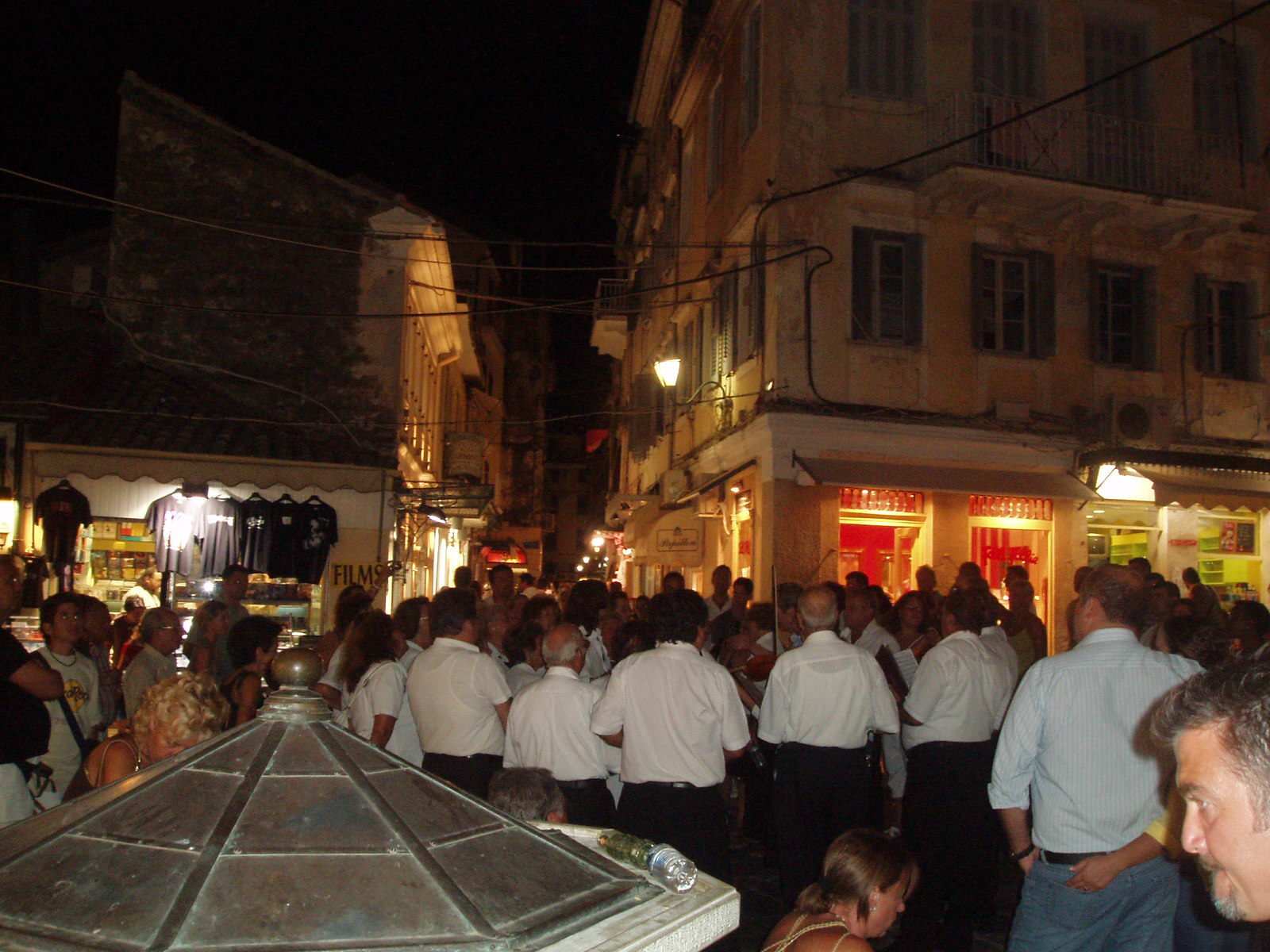
a group of elderly singers with a growing audience around them in one of the small cobblestone intersections of Old Town in the evening
At the end of the day and after calculating possible future expenses, decided to cross off possible would-have-been-really-awesome itinerary routes. Travel budget funds have gone way down right about now, since going on the Euro and being close to the end of the journey.
One of these routes was making a trip to Saranda, Albania from Corfu Town. Since it would cost us a total of 50 Euros (80 Euros if we wanted to come back to Corfu Town), and that the port town we’d be landing in was more for an Albanian resort experience rather than a cultural one, decided not to go.
Another option was taking the night ferry over to Italy. Crossed that option off as well because of lack of time. Plus, it’d be much cheaper to travel Italy with the Eurail/Interail pass (only 6 Euros extra with the pass versus 56 Euros each to take the overnight ferry).
The last option, which wasn’t too bad economically but was timewise. Initially we weren't planning to go this route because of high season. Gave it a second thought since it's the last two weeks of August. Thought that possibly it wouldn't be too crowded, but not true. The plan was to overnight ferry to the Peloponnese and go island-hopping the rest of the way (Peloponnese to Kythira to Crete to Santorini to Hydra to Athens). The huge crowds and limited accommodation on what we thought was going to be a pretty vacant island (since Corfu is pretty far away) scared us off. O well, next time - during low season and when well-funded again!
Moreover, after looking over the travel guide and observing the people, sites, and landscapes along the way, have been finding that Greece has a lot more to offer to the traveler than just Athens and the islands. H. made a valid point - what's the point of traveling if all you want to do is rush to the next country/city/town/site once you've reached the current desired destination? (Yes, I must admit that I sometimes get too excited and this happens. Though if I had an unlimited amount of time and money...wishful thinking).
August 21, 2006
Planned to go to the island of Corfu today. But, missed the morning bus to Ioannina (and also the transfer to Igoumenitsa from Ioannina) due to H.’s directions (proves the theory again about guys and directions). Went on a wild goose chase looking for the Kalambaka bus station with the big backpacks on our backs. Must’ve hiked up and down asphalt streets and unnamed dirt paths all over Kastraki. The irony was, ended up at the same exact spot from where we started from. Boo (had the correct way in the first place). Thus, stranded till 3:30pm.
So, dropped off the huge backpacks at the bus station and went back to Meteora. Returned to actually visit the insides of one of the monasteries (they close at 5pm - that's why didn't go into one yesterday). The inside of Moni Agiou Nikolaou Anapafsa was actually pretty amazing and quite well preserved. Didn’t expect it to be after seeing quite a few fading interiors of old Byzantine churches back in Cappadocia, Turkey.
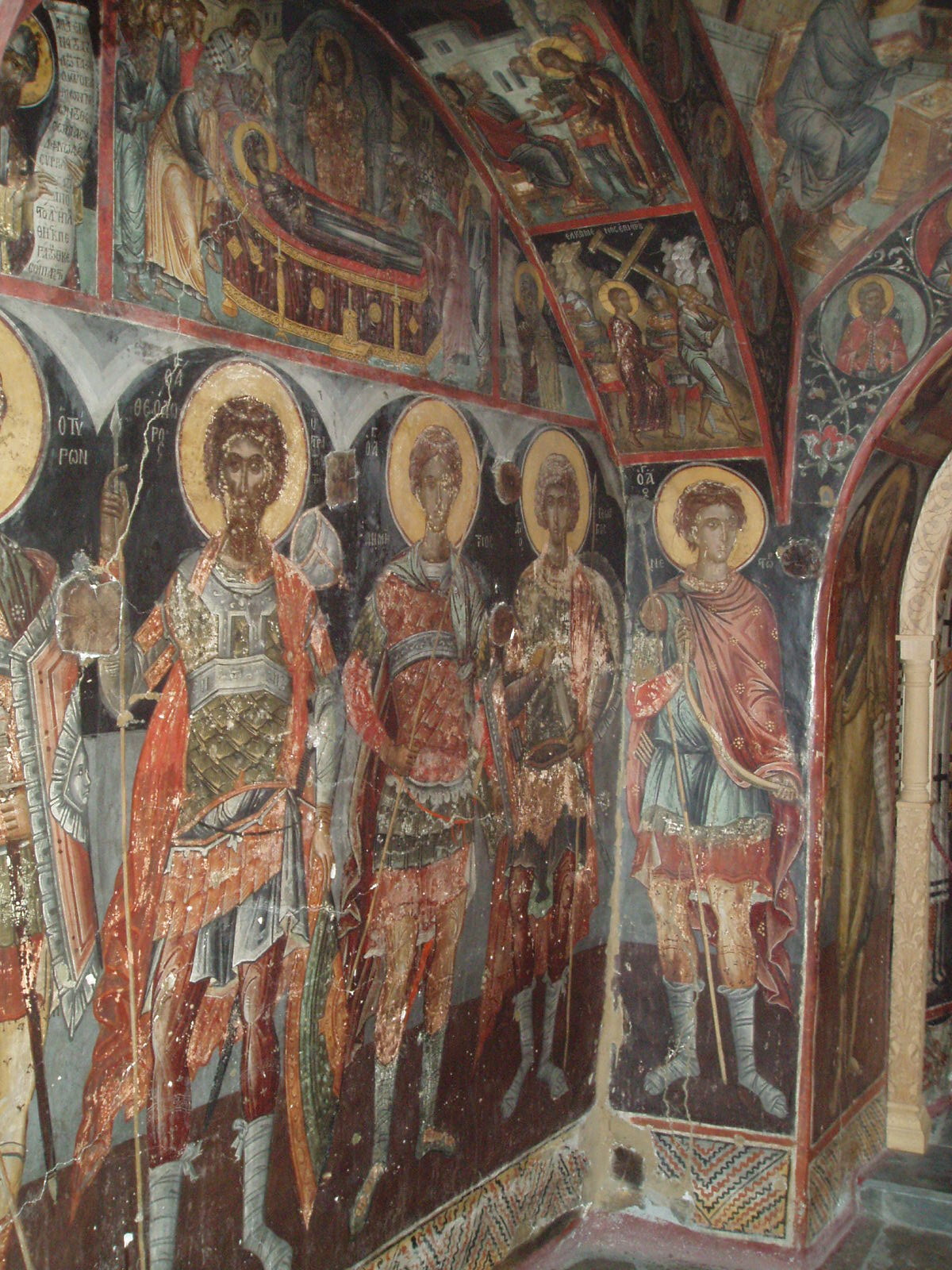
Byzantine frescoes inside
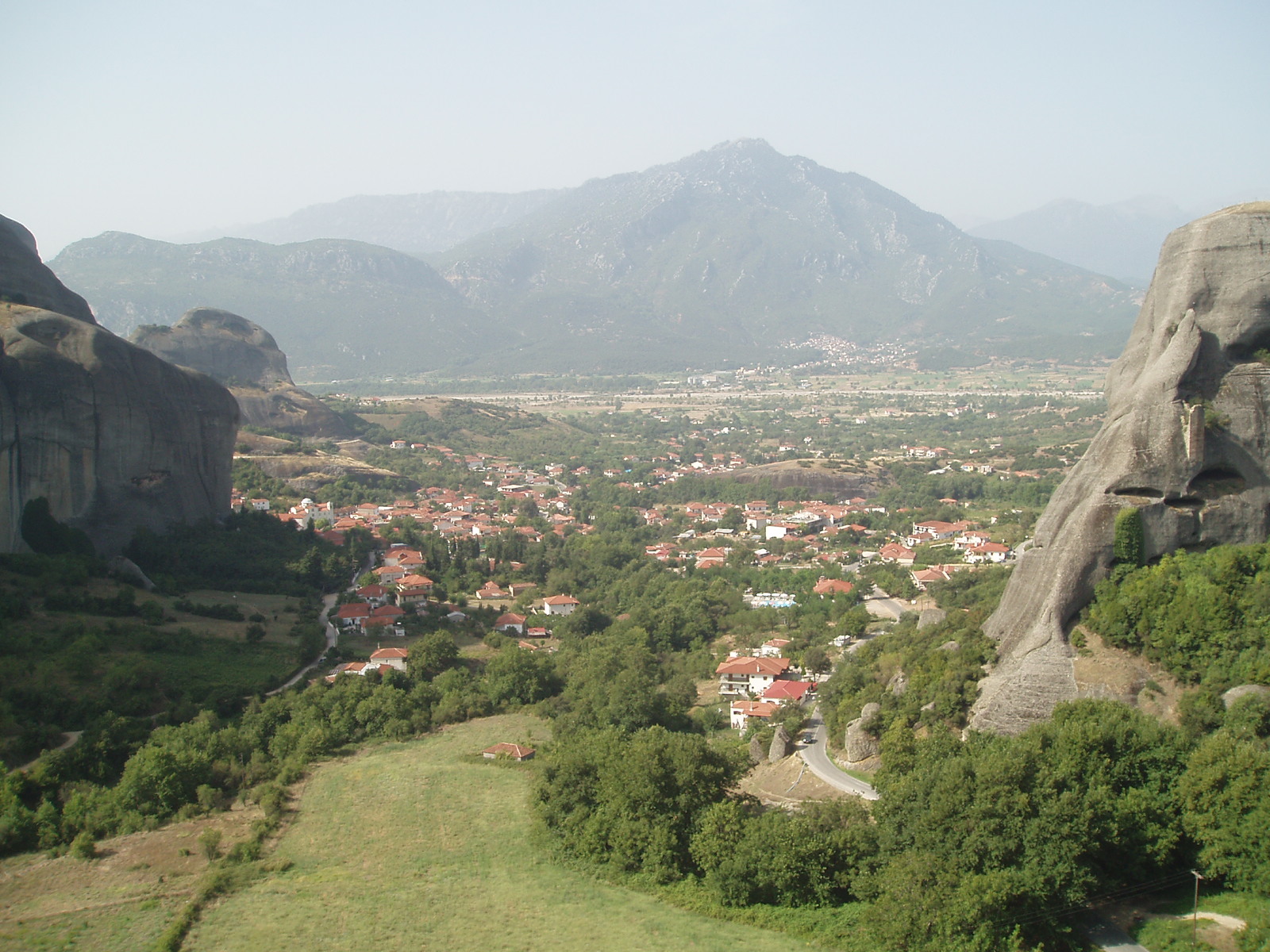
got a great view of Kastraki and Kalambaka from the top too
After that, hiked around the area and noticed many wild turtles milling about.
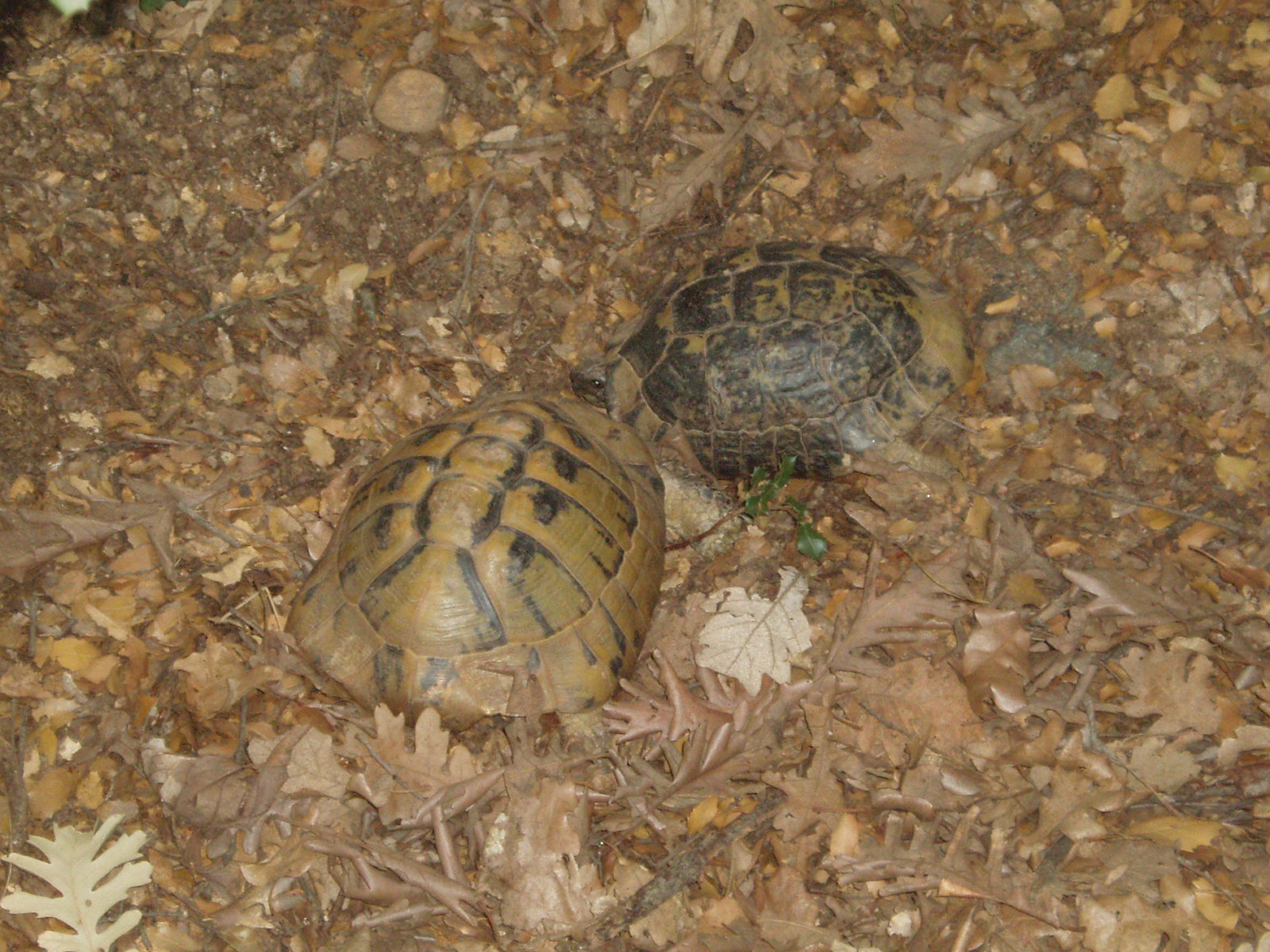
these two were snapping at each other – they seem to be quite territorial
In the afternoon, finally got on the bus to Ioannina, a lake town. Passed through a very quaint town in the Greek Alps, Metsovo. Wished we stopped there for an overnight because Ioannina turned out to be pretty dumpy (i.e., trash, graffiti, broken/potholed roads - not really what you'd expect in Greece). Besides the old town area, Kastro, the modern or new town portion looked war torn and empty, even though there hasn’t been a war there for 50+ years. Also felt a somberness to the town while walking around. That’s okay. Maybe I’m being a little harsh. Kastro was pretty interesting though.
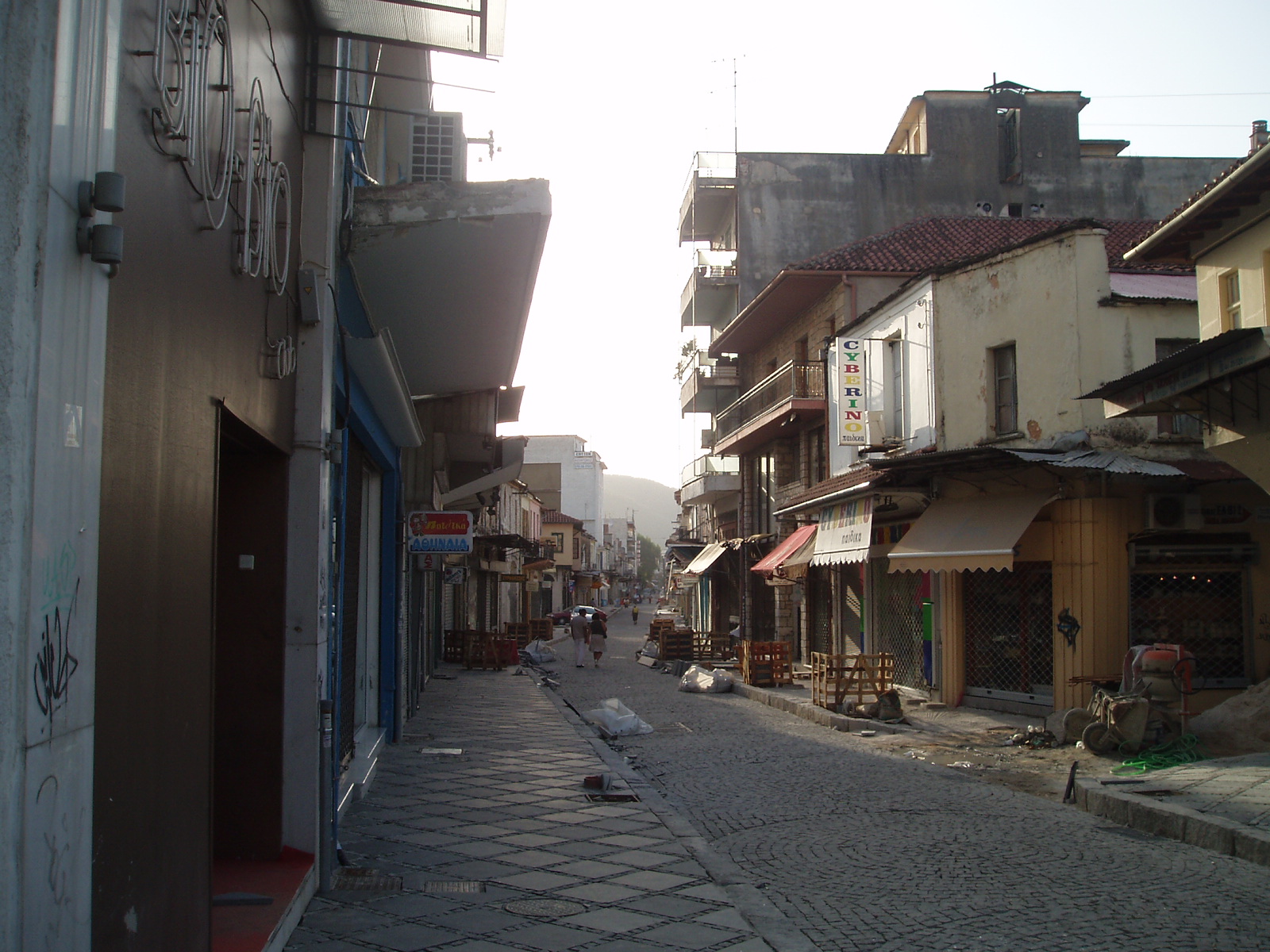
Where is everybody? It’s passed Grecian siesta time already.
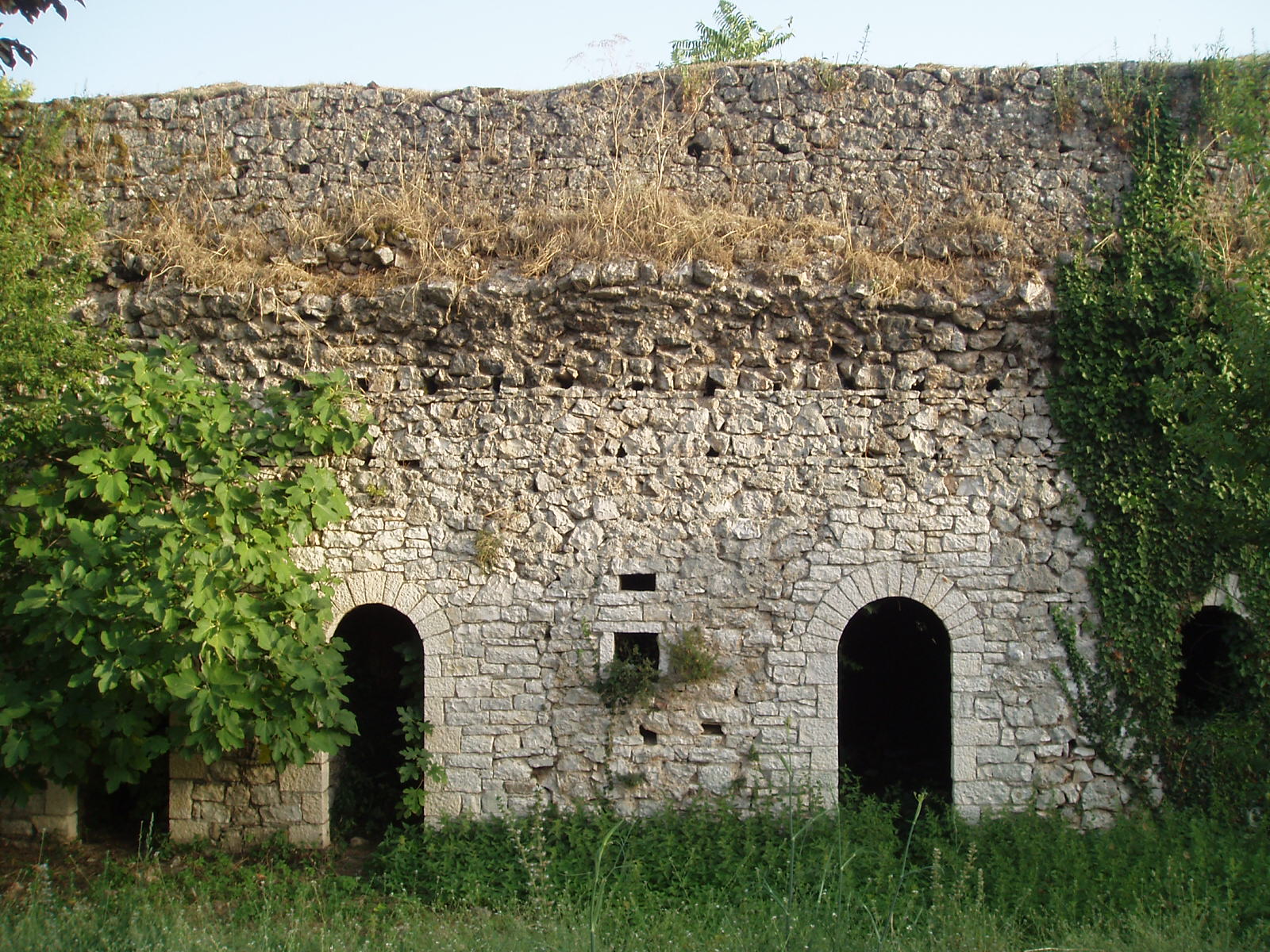
dark rooms(?) within the city walls of Kastro – didn’t really feel like going in to check them out
August 20, 2006
Sunday is not the best time to travel in the smaller towns of Greece (possibly Friday too, since that day also seems to have the same schedule). Many of the buses seem to be discontinued or reduced. But since H. and I were on a pretty strict time limit, didn’t have too many good choices. Besides the delineated route taken below, the other choices were going to Thessaloniki (5-5 ½ hours), Litohoro/Mt. Olympus (4-4 ½ hours), or Larissa in addition to a couple of transfers to Meteora (4 hours). All buses depart at 3:15pm rather than the normal 10:15am time from Delphi. Getting into town in the evening wasn't too appealing.
So, the route taken from Delphi to Meteora:
10:15 – Delphi to Amfissa
11:15 – Amfissa to Lamia
14:15 – Lamia to Trikala
16:30 – Trikala to Kalambaka
17:00 – Kalambaka to Kastraki
Not sure if that was a bright idea, since it took all day to get to Meteora. But, tried to make the best of it. At least saw quite a few Greek small towns, countryside, and farmland.
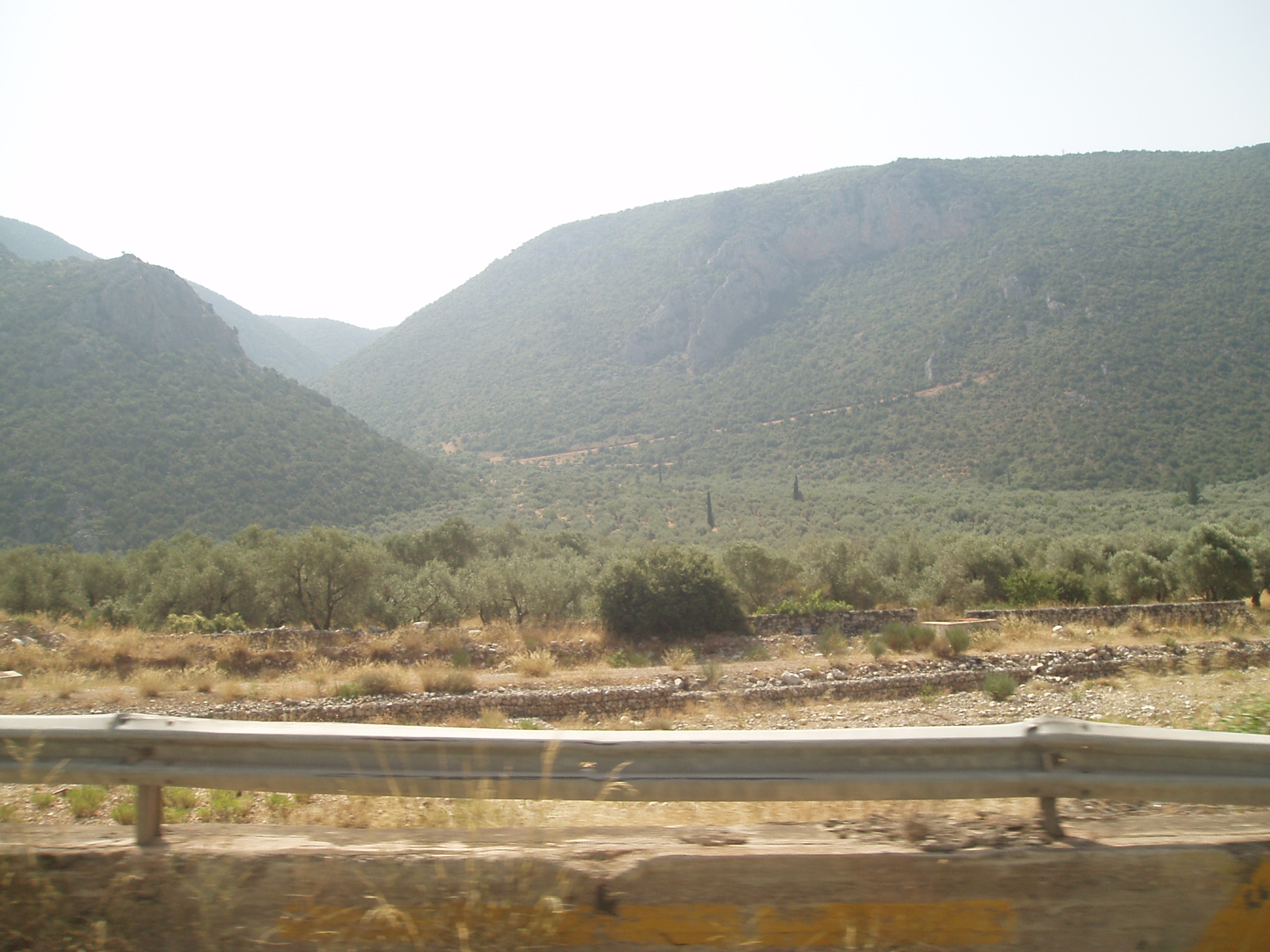
an olive grove at the foot of these mountains
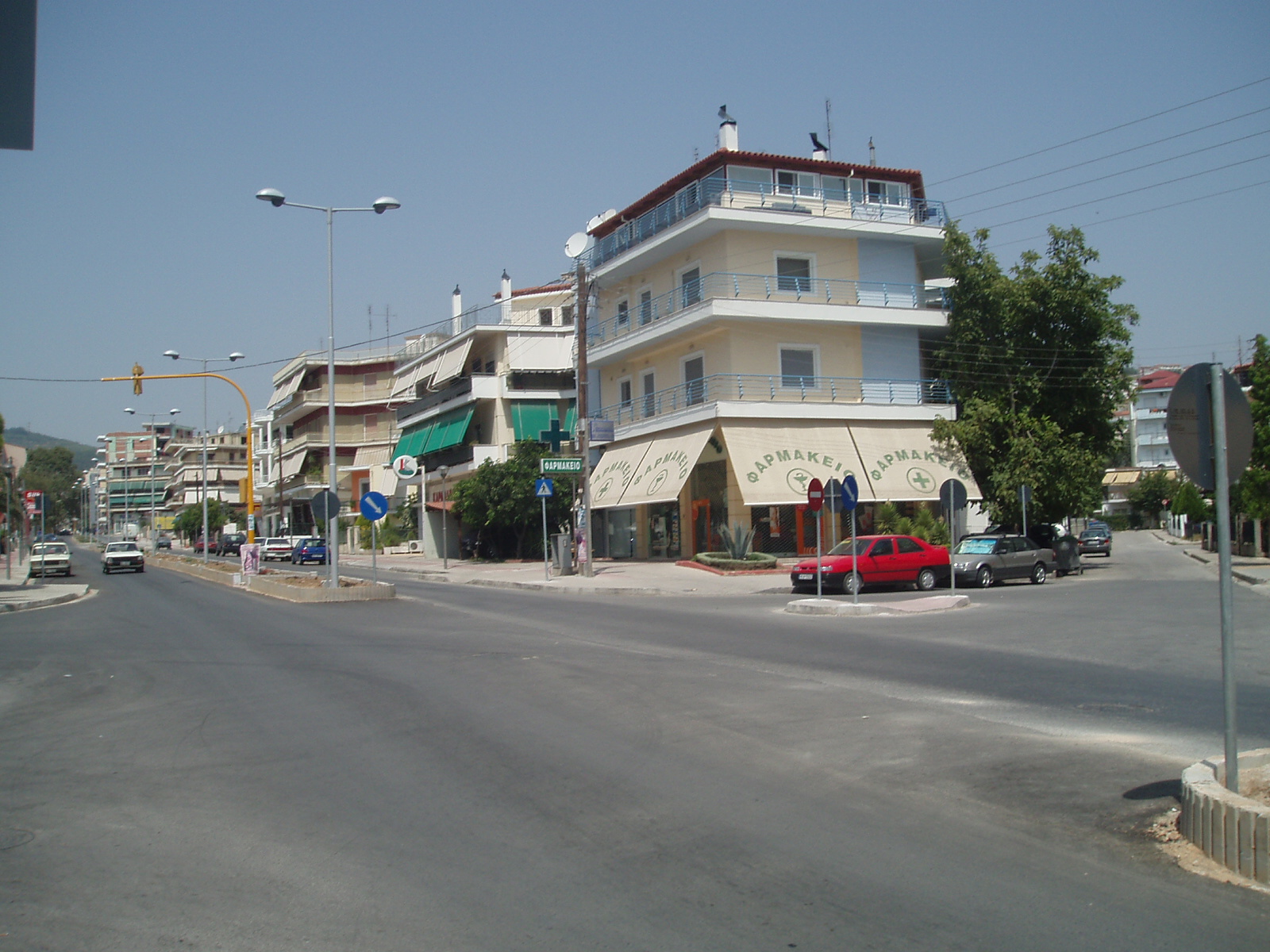
the whole town of Lamia seems to be closed on a Sunday except for their small bus station
Finally reached the small village at the foot of Meteora, Kastraki, at around 5:10pm. H. ran around and found a hotel and was able to bargain the price down to 35 Euros from 50 (woohoo!). Checked in, dropped the bags, went to the market and bought lots of liquids. Then headed off to check out the amazing monasteries of Meteora.
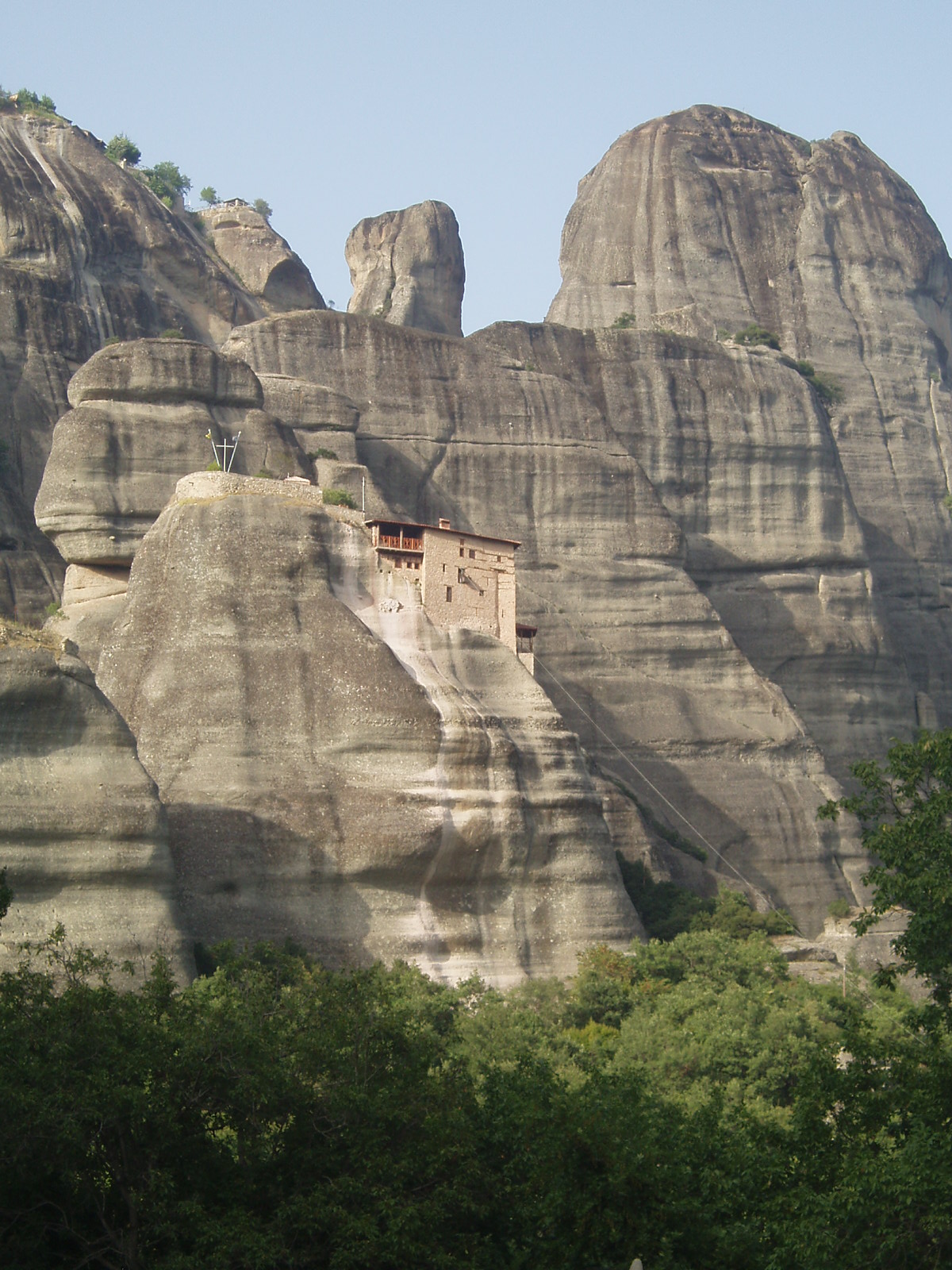
Moni Agiou Nikolaou Anapafsa
Believe it or not, the whole landscape of Meteora used to be under an ocean ten million years ago. After the boulders immersed, tectonic plates shifted around. The boulders were naturally eroded to the way they are today by wind, rain, and other natural forces. Monks built six monasteries on top of them to find a safe haven from persecution. Way back then, they first used ladders to climb up, then eventually nets. How cool is that?
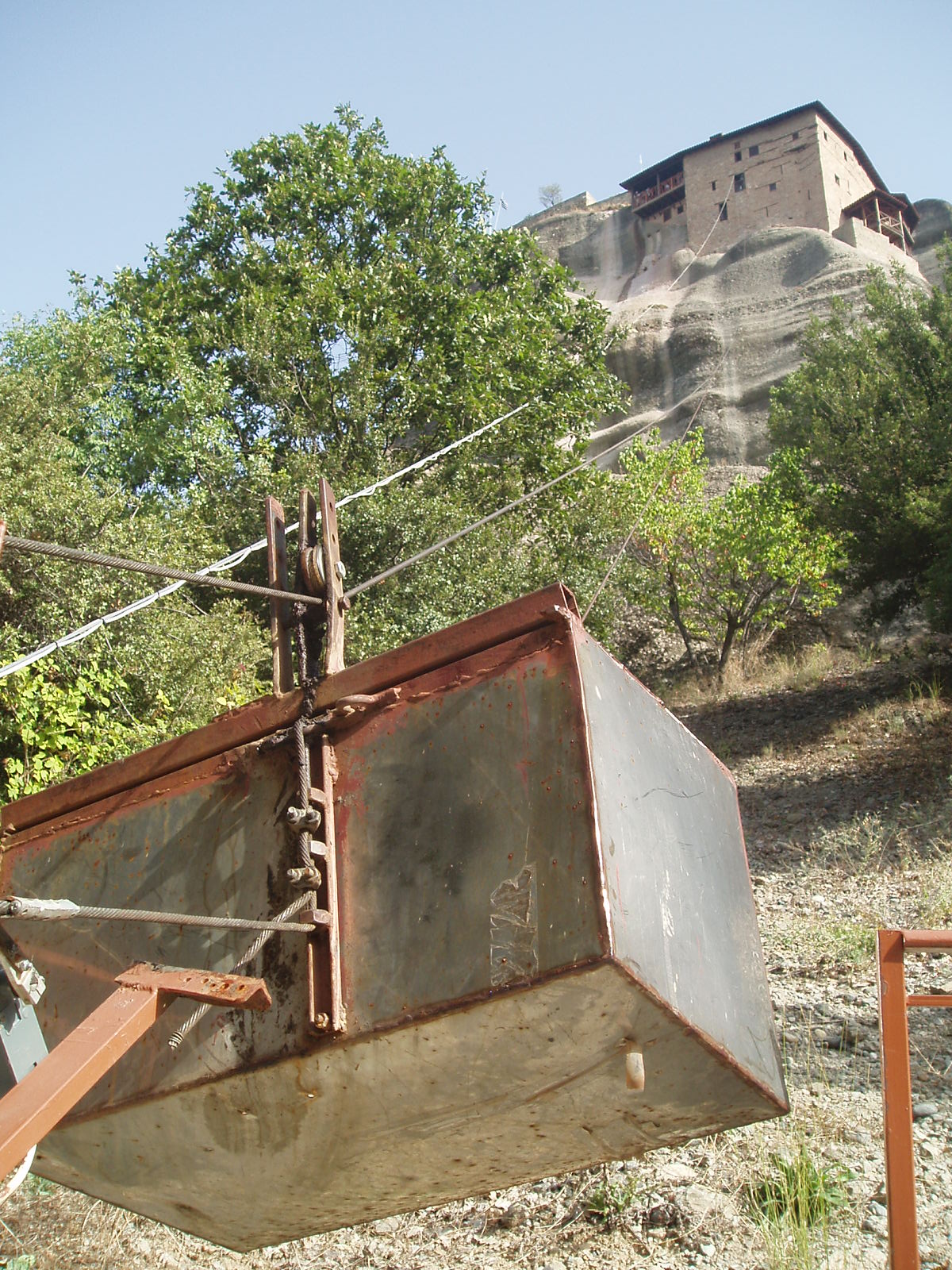
nowadays, this monastary, Moni Agiou Nikolaoua Napafsa, uses a cable lift
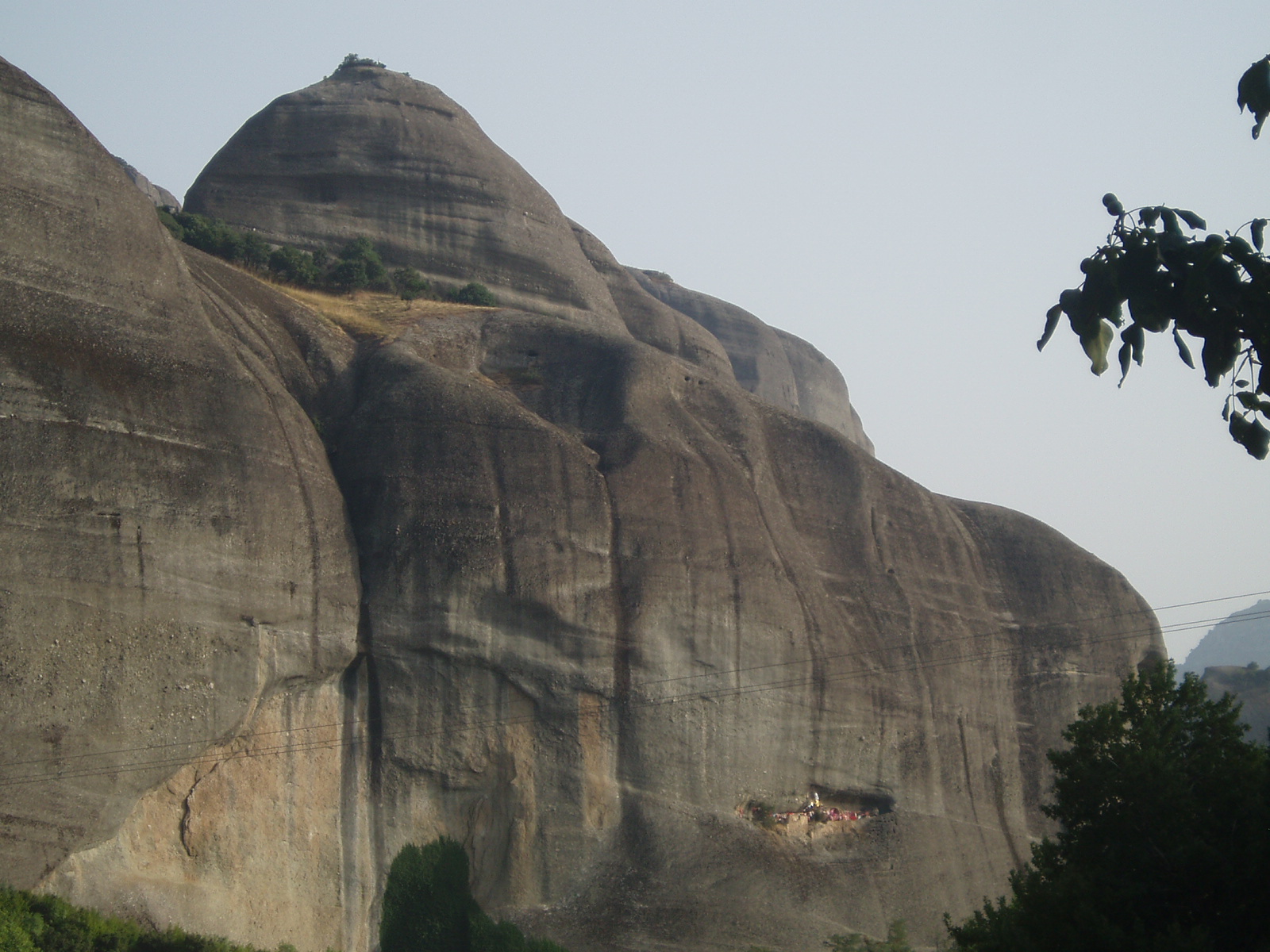
Moni Agiou Stefanou at the foot of this interesting boulder
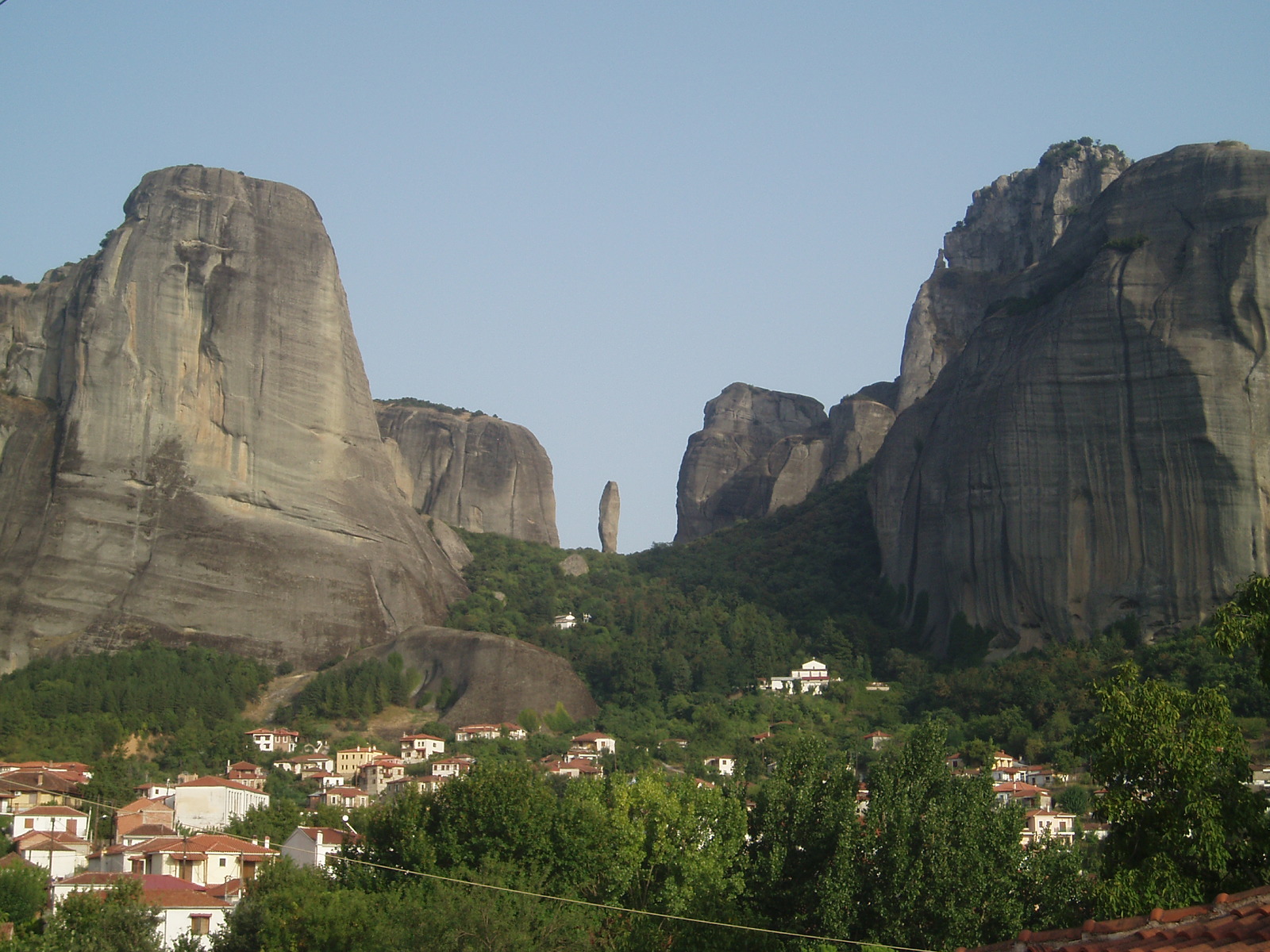
the town of Kalambaka at the foot of this famous (and yet another interesting) scene
I’m still marveling at the fact that all the surrounding scenery used to be under an ocean once a long, long time ago.
August 19, 2006
Since the taxi drivers in Athens have a notorious reputation, H. and I decided to try out the public bus system. Took Bus No. 24 to Terminal Bus B from the bus stop sandwiched between the front of the Greek Parliament and the National Gardens. After getting on, tried to figure out how to pay. The bus driver told me he didn’t sell the tickets and that I could pay when I get off. It wasn’t until after getting off the bus at Praktorea KTEL (name of the bus stop in front of Terminal Bus B), that I found out that you’re supposed to pay for tickets before getting on the bus. Then you validate them in the machines inside. Without a validated ticket, you can get fined $29 Euros per person. Oops. Good thing no one was checking.
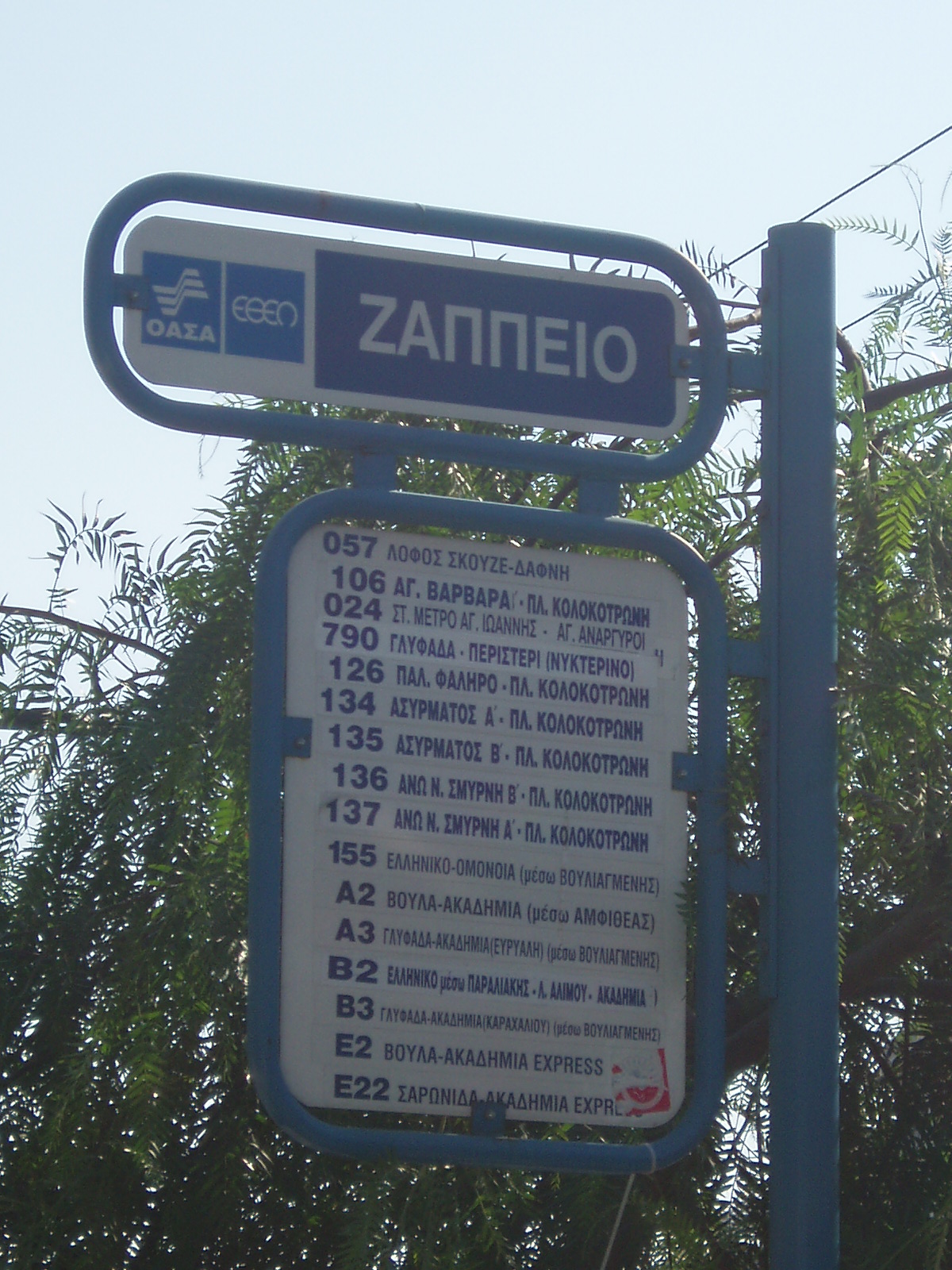
trying to figure out this Greek bus stop sign
So, got the long distance bus tickets to Delphi and off we went.
In the hot afternoon, climbed through the ruins of Delphi. Ancient Greeks regarded Delphi as the ‘navel of the world’. Now Delphi is considered to be the most spiritual of all sites in Greece.
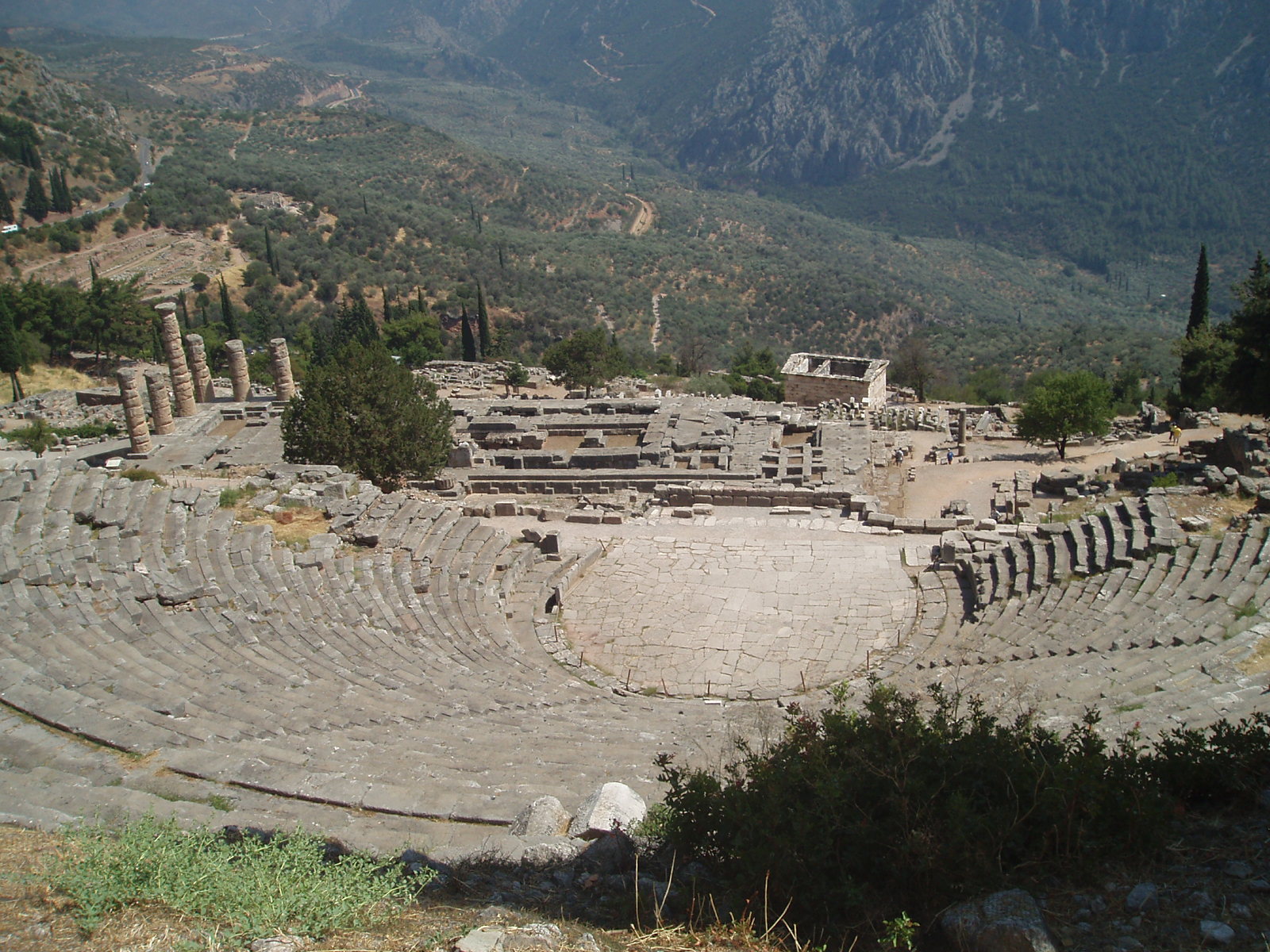
Theatre (front), Temple of Apollo (left back), and Bouleterion (right back) at the Sanctuary of Apollo
Admired the ruins of the Sanctuary of Apollo while wandering up to the Stadium. At the top, took a photo and was about to turn back. Then decided to go all the way to the end of the stadium. Since the place was pretty empty, sat at the end facing the other end. With loud insects orchestrating around me, imagined how it was back in the ancient days. Very peaceful and you can feel the energy the almost intact ruin still has. Walked slowly to the center and the string orchestra quieted down. A slight warm breeze swarmed around. You can almost hear the echoes of the athletes and the crowd.
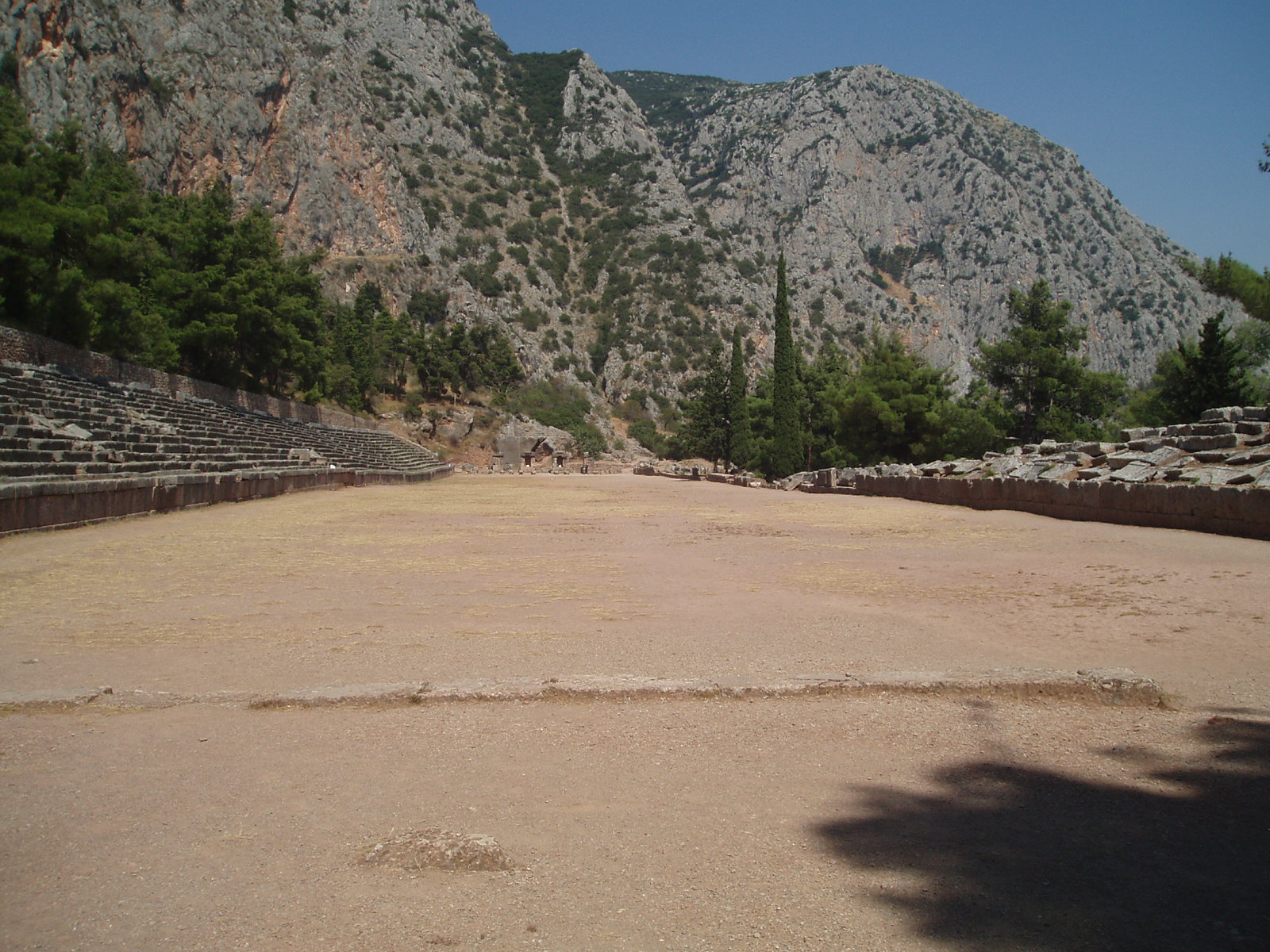
sitting, listening, and observing peacefully at the other end of the Stadium in the Sanctuary of Apollo
This place does have spirit.